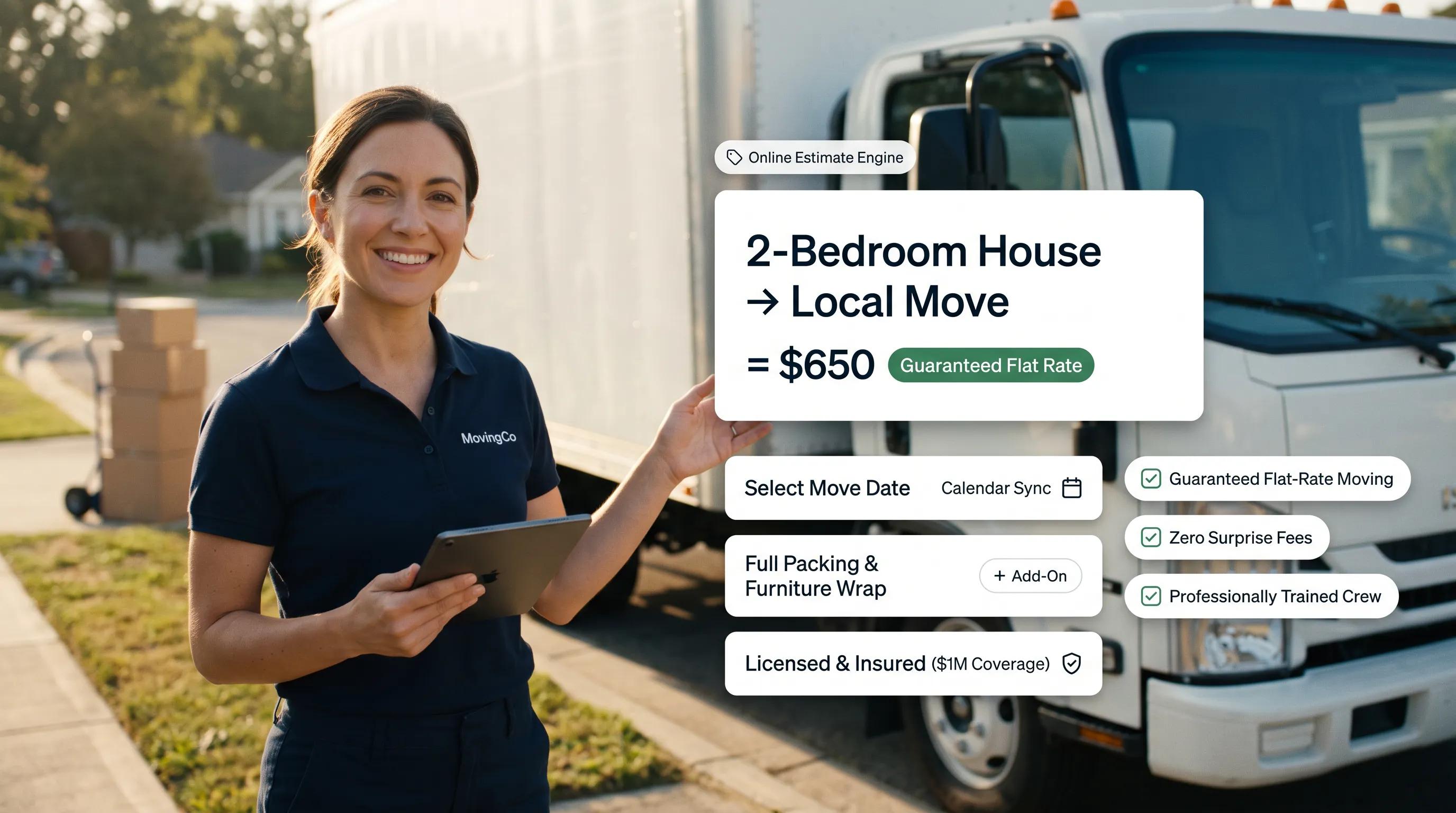
Moving to a new home or relocating an entire office is notoriously stressful. Homeowners and business managers aren't just looking for a truck; they are looking for a reliable team they can trust with everything they own. When someone starts planning a move, they pull up their phone, compare local movers, and look for immediate proof of reliability, transparent pricing, and fast quote responses. If your site is slow, cluttered, or missing a clear quote form, potential clients bounce within seconds and book with your competitors instead.
Running a moving business requires nonstop physical effort, logistics, and crew management. However, relying on generic site platforms or paying expensive web agencies often leaves you with broken layouts and zero local search visibility.
That is why BoltWeb is engineered to transform your business.
Instead of struggling with complicated setups, BoltWeb provides an intuitive website builder for a moving company that builds high-converting, fully optimized websites in minutes. It crafts compelling copy tailored to stressed movers, structures quote pathways to eliminate friction, and builds clean local SEO architecture that search engines index effortlessly. You can launch a professional digital storefront that captures high-value moving leads around the clock—without writing a single line of code.
Here is how to build a moving company website that turns casual visitors into booked moves.
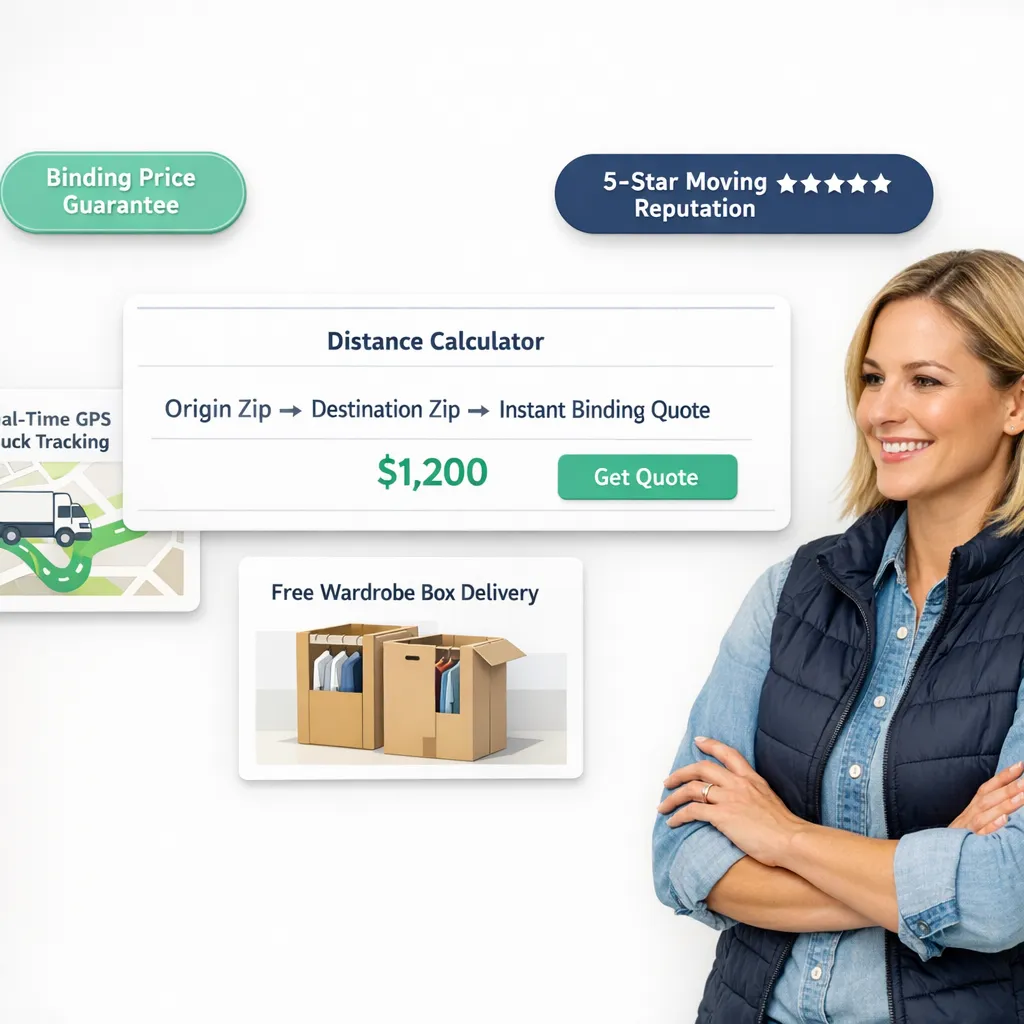
1. Turn Moving Enquiries Into Bookings
When potential clients land on your page, they are usually in the middle of a chaotic planning process. They want fast answers, clear options, and an easy way to estimate costs.
If your homepage is unorganized, visitors will leave immediately to find a company that looks more reliable.
Using a specialized moving company website builder, you can establish trust the moment your page loads. Position a bold headline clearly stating your primary service regions alongside a high-contrast button to request a quote.
When you use a purpose-built website builder for movers, layout choices become effortless. Essential details—such as phone numbers, coverage maps, and estimate forms—align naturally to give customers instant confidence in your service.
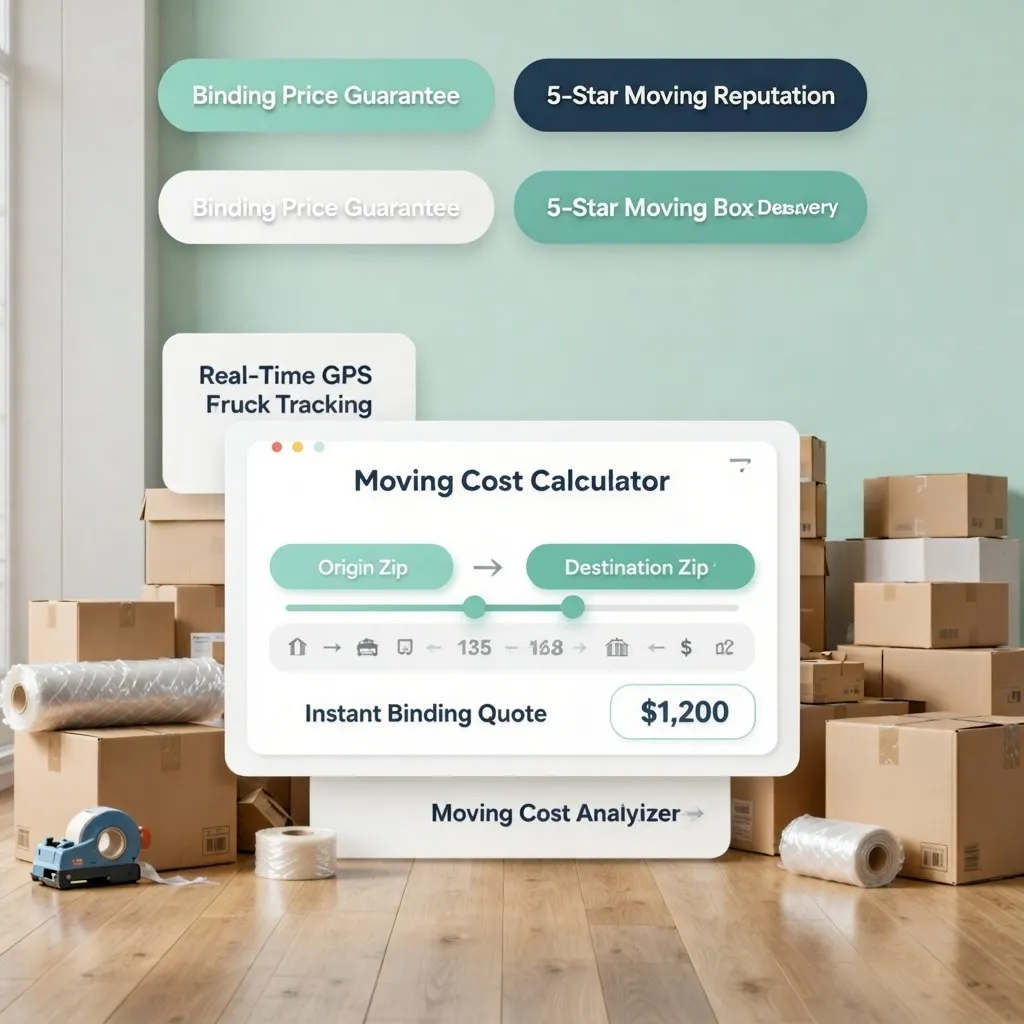
2. Help Customers Find the Right Moving Service for Their Move
A family planning a four-bedroom house move across state lines has completely different needs than a business owner relocating a small office downtown.
If you clump all your moving solutions into one dense block of text, readers get overwhelmed trying to find what applies to them.
Organize your offerings into clear, accessible categories so customers self-select their exact move type in seconds:
- Residential Moving Services: Full-service apartment, condo, and single-family home relocations.
- Commercial & Office Relocations: Scheduled business moves designed to minimize workplace downtime.
- Local Moving: Swift, hourly, or fixed-rate moves within your immediate metropolitan zone.
- Long-Distance Moving: Intercity and interstate logistics with dedicated truck options and trackable timelines.
Structuring your moving company website design with distinct service pathways lowers cognitive overload. It helps visitors quickly find relevant information while allowing search engines to index specific pages for target terms like residential movers in [city] and commercial moving companies in [city].
3. Make Quote Requests Easier With the Details Movers Actually Need
Endless phone tag to verify basic details like staircases or heavy furniture frustrates both you and your customer.
If your estimate request process takes too long or asks for unnecessary information, visitors will abandon the page and contact another mover.
Eliminate friction by embedding a streamlined moving company quote form directly onto your core pages. Capture qualified lead data by asking for:
- Locations: Pickup zip code and destination zip code.
- Move Size: Apartment size, room count, or commercial square footage.
- Target Date: Preferred moving date and flexible alternate options.
- Specialty Items: Heavy safes, pianos, or fragile artwork requiring special handling.
Integrating an interactive online moving quote system or moving estimate form streamlines intake, giving you the exact details needed to provide accurate quotes fast.
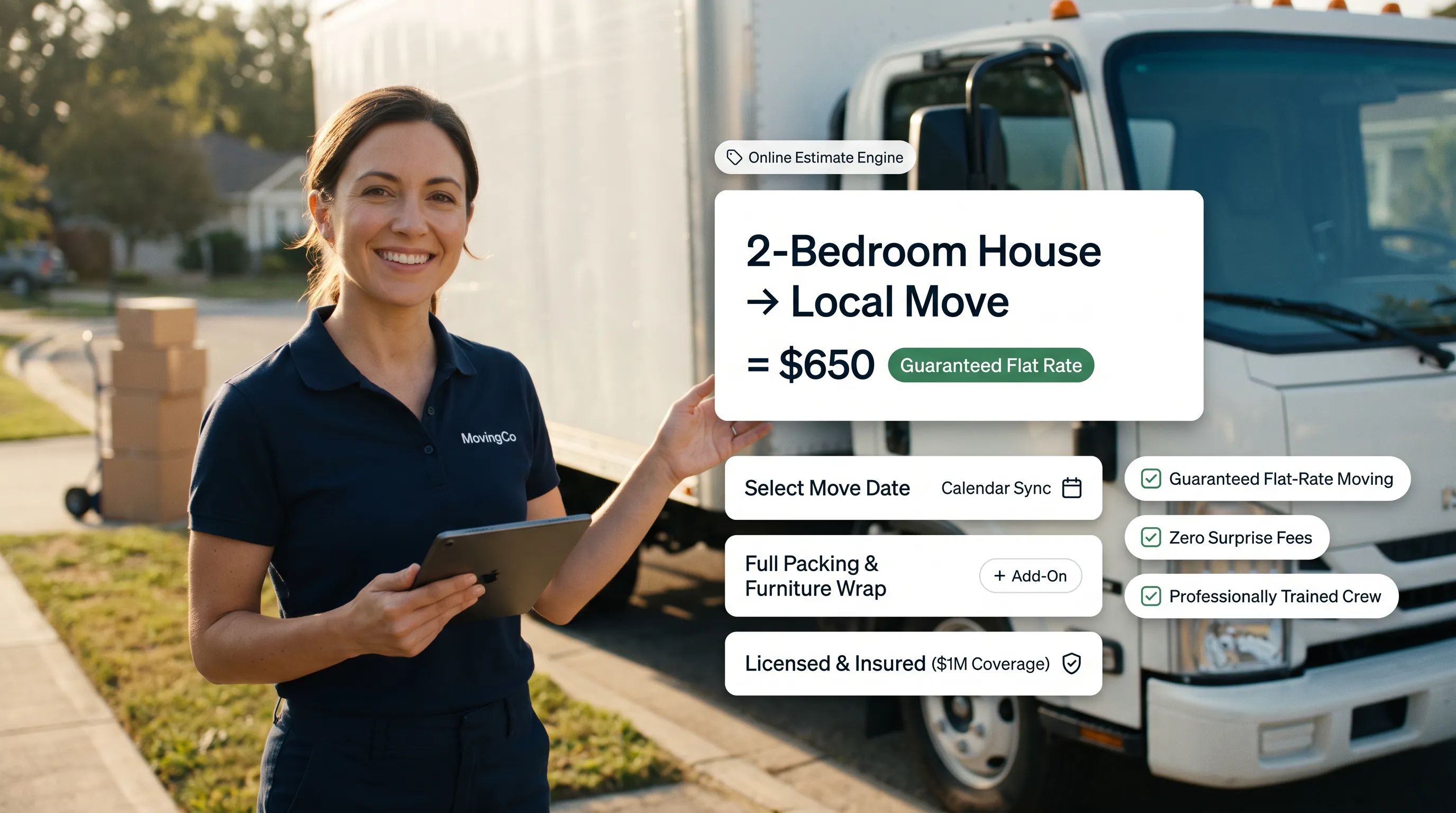
4. Show Customers What Their Moving Service Includes
Pricing anxiety is a major hurdle in the moving industry. Customers dread hidden fees, surprise stair charges, or sudden fuel surcharges on move day.
Building a transparent moving company services page helps establish clear expectations before any contract is signed.
Detail your operational inclusions:
- Standard Services: Loading, transportation, unloading, heavy furniture padding, and basic disassembly/reassembly.
- Add-On Options: Full or partial packing services, custom crate building, and temporary climate-controlled storage.
- Pricing Factors: Clearly explain how travel distance, inventory volume, packing supplies, and site access affect the final estimate.
Detailed pricing breakdowns eliminate customer skepticism, filtering out bargain hunters and attracting serious clients who value professional care.
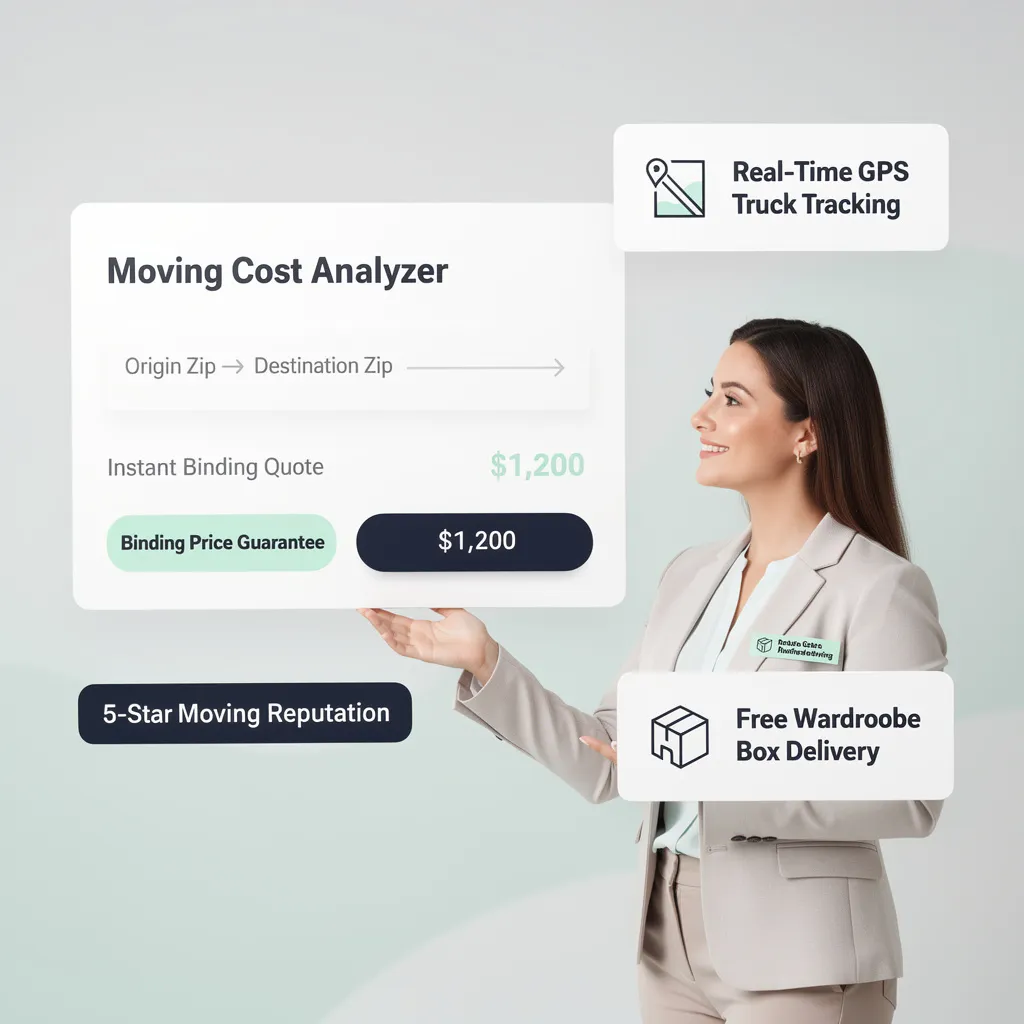
5. Give Visitors Reasons to Trust Your Moving Company With Their Belongings
Handing over personal possessions to strangers requires deep trust. Unsupported claims like "we are the safest movers" do little to convince a cautious homeowner.
Replace vague promises with hard, verifiable proof across your professional moving company website:
- Verified Customer Testimonials: Embed real reviews praising your crew's punctuality, care, and polite communication.
- Credentials & Licensing: Display official USDOT license numbers, state motor carrier permits, and active insurance badges prominently.
- Real Team Photos: Showcase genuine photos of your branded trucks and uniformed crew members rather than generic stock photography.
Exploring real-world moving company website examples shows how strategic trust elements convert hesitant visitors into confirmed bookings.
6. Put Your Service Areas Where Customers Can Find Them
Nothing wastes operational time like taking a detailed inquiry call only to realize the customer's pickup location sits outside your operating radius.
Display your service boundaries clearly across your site to capture relevant local traffic.
To establish strong local relevance:
- List specific cities, counties, and major suburbs served near your site footer and contact pages.
- Detail coverage for both pickup zones and long-distance drop-off territories.
- Link your main site directly to your official Google Business Profile listing.
Optimizing these location signals on your local moving company website helps capture high-intent searches for local movers near me and moving companies in [city].
7. Let Customers Explore Your Moving Process Before They Contact You
Uncertainty creates hesitation. Homeowners frequently wonder: When do the movers arrive? Do I need to drain appliances? What happens if weather delays the move?
Explaining your end-to-end workflow on your site reassures clients and speeds up booking decisions.
Outline your 4-step moving process:
- Estimate & Booking: Virtual or in-home inventory review followed by a clear, written estimate.
- Pre-Move Preparation: Receiving packing guidelines, box labels, and scheduled arrival windows.
- Moving Day Execution: Floor protection setup, inventory checks, careful loading, and secure transit.
- Delivery & Placement: Unloading items directly into designated rooms and final walkthrough inspection.
Providing a detailed moving checklist website section or FAQ reduces pre-move stress and positions your company as an organized authority.
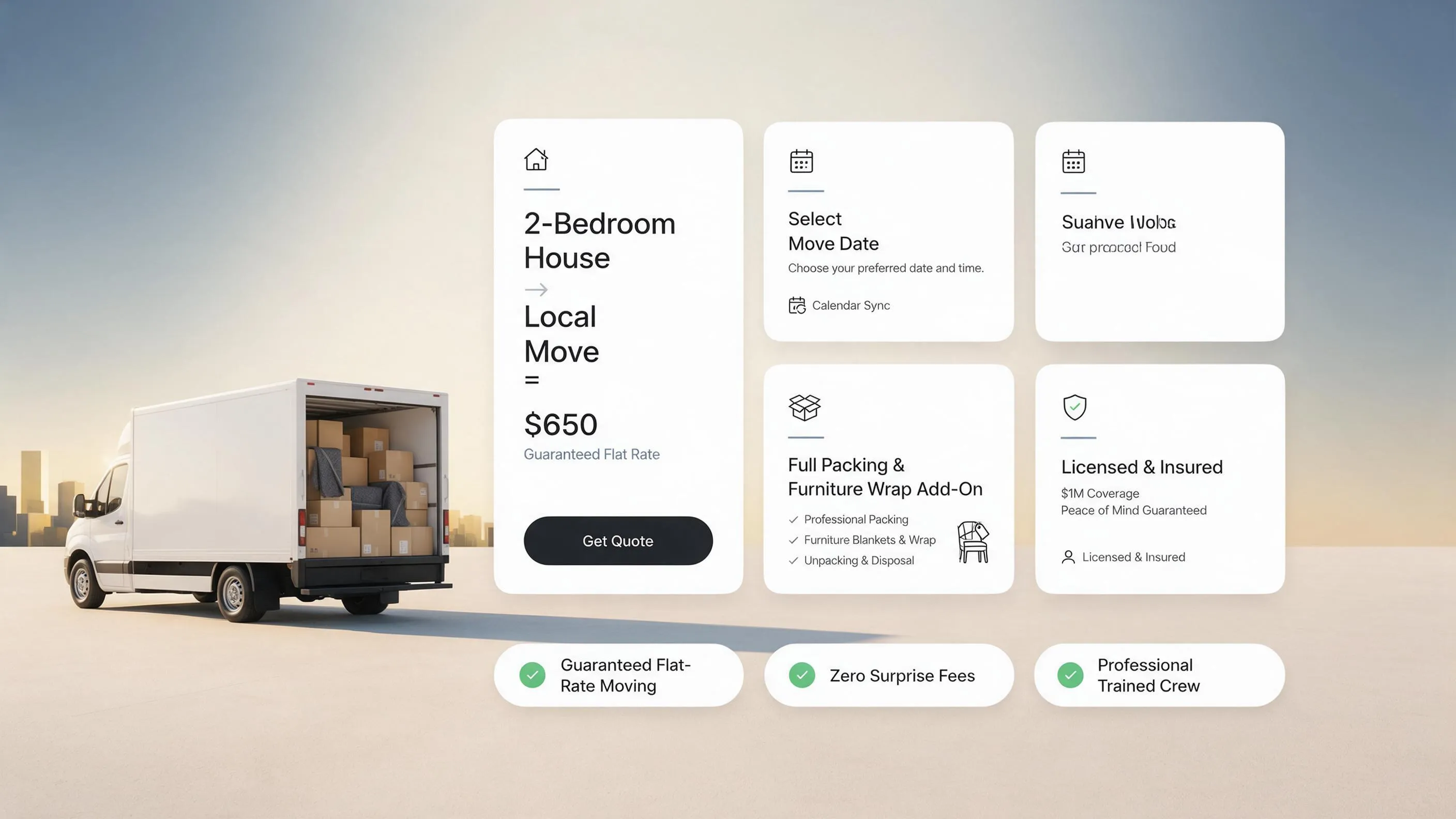
8. Make It Simple to Call or Request a Quote From a Phone
Over 70% of moving searches happen on mobile devices while people are at work, touring homes, or running errands.
If your site requires zooming in to read small text or fighting clunky forms on mobile screens, users will leave instantly.
Ensure your mobile layout provides:
- Tap-to-Call Buttons: Persistent phone headers that let users dial instantly with a single tap.
- Thumb-Friendly Forms: Large, well-spaced form fields optimized for mobile touchscreens.
- Fast Page Speeds: Compressed graphics that load quickly over mobile networks.
Using a modern mobile-friendly moving company website layout ensures prospective clients can submit quote details or call your dispatch office effortlessly from anywhere.
9. Help Customers Compare Moving Options Without Confusing Them
Choice overload can stall decision-making. When customers are confronted with complex binding versus non-binding estimates, hourly rates, or flat-rate options without guidance, they delay booking.
Guide visitors smoothly through their choices:
- Best for local apartments
- Flexible truck & crew size
- Straightforward hourly rate
- Binding flat-rate quotes
- Dedicated long-haul trucks
- Guaranteed delivery window
Clear options help customers select the right service tier for their move without feeling overwhelmed by technical jargon.
.webp)
10. Answer the Questions Customers Ask Before Booking Movers
Address common concerns directly on your site to remove hesitation and streamline the booking decision.
Build an accessible moving company FAQ section addressing:
- Date Changes: Explain your cancellation and date-rescheduling policies clearly.
- Packing Rules: Clarify which items customers must pack themselves and which items your team handles.
- Specialty Handling: Detail procedures for moving delicate electronics, antiques, or heavy items.
Providing clear answers upfront resolves common objections and builds buyer confidence.
11. Help Your Moving Company Appear in Relevant Google Searches
Having a great site won't drive business if prospective clients cannot find you on search engines.
To rank for high-value searches like long distance moving companies in [city], your site needs solid SEO foundations:
- Targeted Meta Tags: Craft page titles and meta descriptions containing your primary services and city locations.
- Structured Headers: Organize page text logically using clear H2 and H3 tags.
- Internal Linking Loops: Link primary service sections directly to your quote forms and location pages to guide visitors naturally.
While traditional SEO for moving companies often requires technical setup, BoltWeb configures clean page architecture automatically, ensuring search engines crawl and rank your business without manual hassle.
To further evaluate industry standards and SEO guidelines, you can review technical resources on Google Search Central, explore local search guidelines on Google Business Profile Help, or review transport compliance standards on the Federal Motor Carrier Safety Administration (FMCSA). You can also learn more about consumer moving protections via the Better Business Bureau and the American Trucking Associations.
12. Launch Your Moving Website and Turn More Visits Into Bookings
Stop losing profitable moving jobs to local competitors simply because their site looks more modern or offers a faster quote form.
By building your digital presence with BoltWeb, you launch a high-converting website equipped with built-in search engine optimization, compelling copy, and effortless quote forms.
Ready to fill your moving schedule with high-value residential and commercial contracts? Build and launch your custom moving company website with BoltWeb today.
Faq Website Builder for a Moving Company
1. Will a new website actually help me get real moving bookings, or just casual price shoppers?
Here’s the deal:
Casual shoppers leave when they can’t find immediate answers. Serious customers stay when you make booking effortless. A high-converting website puts interactive quote forms, clear service zones, and high-contrast tap-to-call links right where visitors are looking. By giving clients a fast 30-second estimate path on mobile screens, you capture ready-to-move homeowners before they click away to compare three other companies on Google.
2. Can I build separate pages for residential, commercial, and long-distance moves without code?
Yes, absolutely.
And doing this is crucial for your business revenue. A family moving a four-bedroom house has completely different concerns than a company relocating a 20-person office. With BoltWeb, you can set up distinct, dedicated service pages for local residential moves, commercial office relocations, and interstate logistics in minutes—giving every prospect exact clarity without touching a line of code or paying web designers a single dime.
3. How can my moving company rank higher on Google when people search for "movers near me"?
Let’s face it:
If your company doesn't show up when local residents search for moving help, your business loses revenue every single day. Search engines rank moving sites based on clean page architecture, fast mobile speeds, and clear geographic coverage signals. BoltWeb automatically bakes local search optimization into your website structure, linking your target city names, zip codes, and service pages so Google indexes your business cleanly.
4. What is the best way to collect moving inventory and move details online?
Playing phone tag just to ask how many bedrooms someone has wastes valuable hours.
The fix?
You can place custom quote request forms directly on your key pages. These forms allow customers to select their pickup and destination zip codes, move size, target moving dates, and specialty items like pianos or gun safes. You receive clean, structured project details right in your inbox before making your initial estimate call.
5. Most people search for movers on their phones during a move. Will my site work on mobile?
Think about this:
Over 70% of moving inquiries happen on mobile devices while people are touring homes, packing boxes, or at work. If your website is slow, requires pinching to zoom, or features tiny, unclickable buttons, prospective clients bounce instantly. Your digital storefront automatically adapts to every mobile screen, featuring lightning-fast page loading and thumb-friendly form inputs built for touchscreens.
6. How do I prove my moving company is trustworthy and won't damage belongings?
Here’s the truth:
Handing over personal possessions requires deep trust, and vague promises like "we are the best" carry zero weight. You build undeniable credibility by featuring authentic trust signals across your homepage. Display verified local customer reviews, official USDOT and state license numbers, active insurance badges, and real photos of your branded trucks and uniformed crew members.
7. Can I show customers how my pricing works so they don't fear surprise fees on move day?
Price anxiety is the #1 reason customers hesitate before booking a moving company.
You can eliminate that fear upfront.
By adding a transparent pricing guide section to your site, you can clearly explain what goes into an estimate—such as travel time, crew size, box counts, and access factors like stairs or elevators. Being clear about how estimates work builds immediate authority and filters out low-budget price shoppers.
8. I'm busy managing crews and trucks. How hard is it to update my service areas or prices myself?
Here’s the good news:
If you know how to send a text message, you can manage your website. You shouldn't have to call a developer and wait days just to update your phone number, adjust hourly rates, or add a new suburb to your coverage area. Modern platforms give you total control over your copy, photos, and service options through intuitive, simple controls you can update from your phone or desktop in seconds.
9. What if I want to showcase real project photos instead of fake stock images?
Customers spot generic stock photos instantly—and they don't trust them.
Want to stand out?
Drop genuine, high-resolution photos of your actual team loading trucks, wrapping delicate furniture, and completing commercial relocations into clean portfolio grids. Showing authentic proof of your crew's care and equipment proves your professional standards far better than stock photography ever could.
10. How do I handle local hourly moves versus long-distance flat-rate moves on my website?
Choice overload confuses customers and stalls booking decisions.
The solution is simple:
Structure your site layout with clear, side-by-side service paths that separate quick local hourly jobs from binding, flat-rate long-distance moves. This clear choice architecture allows clients to self-select the service tier that fits their move size without getting overwhelmed by logistics jargon.
11. How fast can I get a professional moving company website up and running?
You don't need to spend weeks waiting on an expensive agency design cycle.
With BoltWeb, intelligent built-in AI structures your page layouts, writes high-converting copy, and configures your local SEO foundation in minutes. You simply enter your company details, upload your truck photos and phone number, connect your custom domain, and start capturing local moving leads right away.
12. How do I make sure I don't miss an inquiry when a customer requests a moving quote?
In the moving industry, speed is everything.
If you take hours to respond to a quote request, that customer has already booked with another mover down the road. Whenever a prospect submits an inquiry form on your site, instant notifications route directly to your email or phone. This allows your sales team or dispatch office to call the customer back in minutes—securing high-value moving jobs before competitors even open the email.