
When you start budgeting for a new website, domain pricing can seem straightforward—until you hit the checkout page or receive your first renewal invoice. Why does a .com address cost $12 at one provider while another domain carries a $5,000 price tag? Why is the first year advertised for $0.99, only for the renewal price to jump to $25?
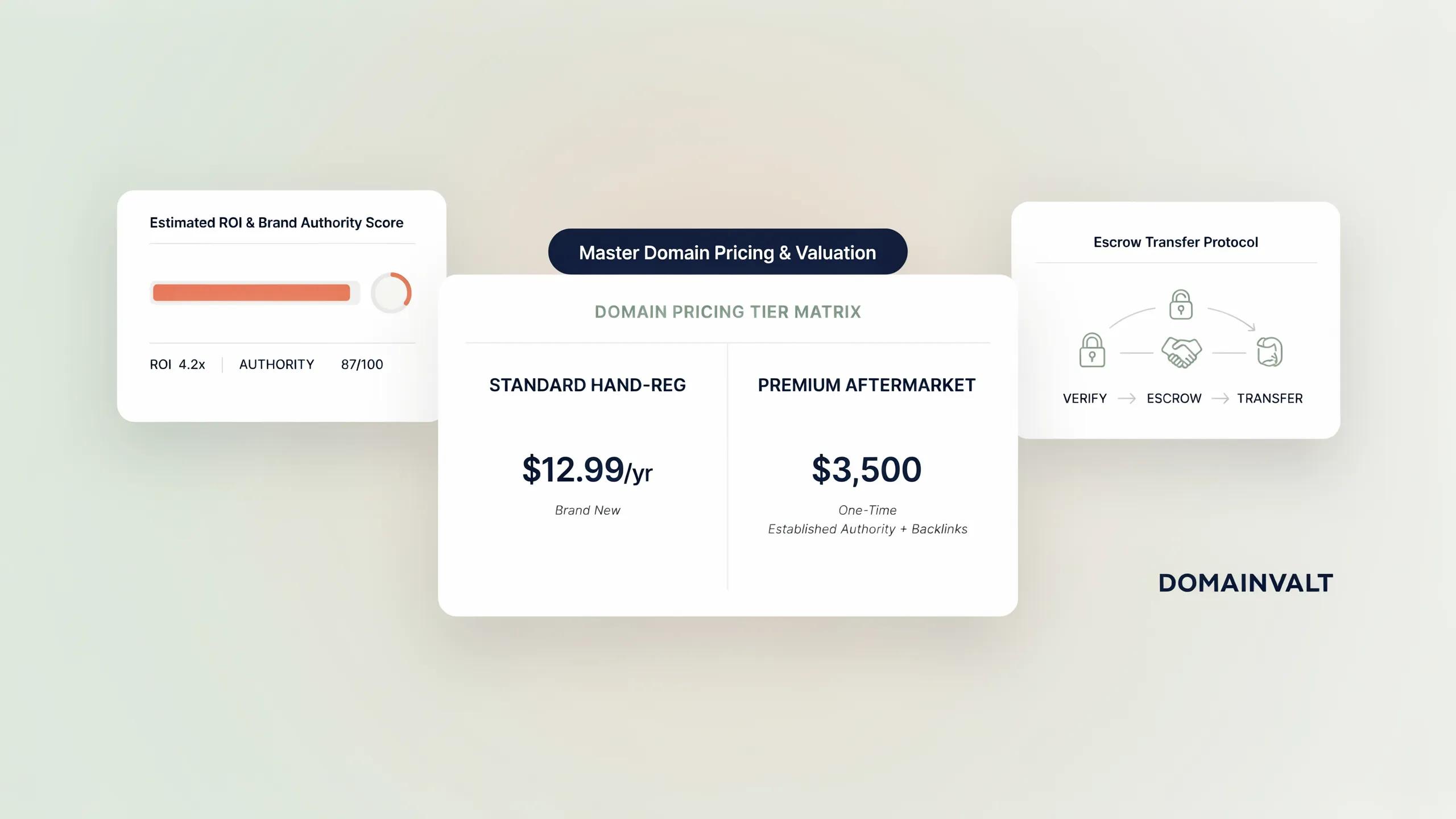
Here is the underlying truth: A domain name's cost is dictated directly by its commercial category, brand popularity, and underlying search volume. A standard web address might cost between $10 and $20 per year, whereas high-demand premium domains tied to popular industry terms can easily command $100, $10,000, or even $1,000,000+ on aftermarket exchanges.
Navigating domain pricing becomes simple when you manage your address inside an integrated, transparent system like BoltWeb. As an all-in-one business website builder, BoltWeb allows you to perform instant domain checks, link custom web addresses with zero hidden add-on fees, write search-optimized sales copy, and publish a responsive storefront in under 60 seconds.
Here is your complete financial guide to calculating how much does a domain name cost for your business over the short and long term.
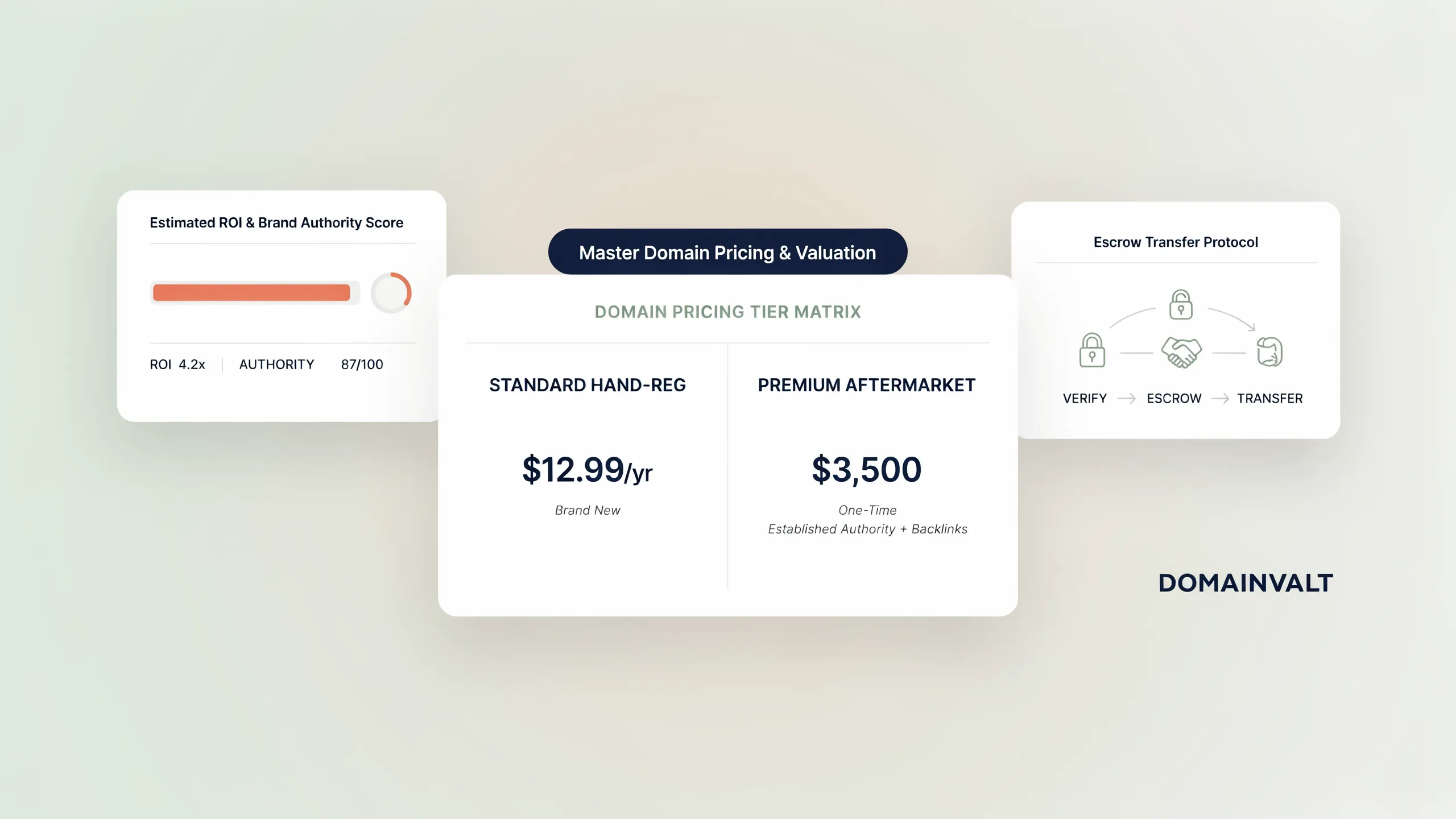
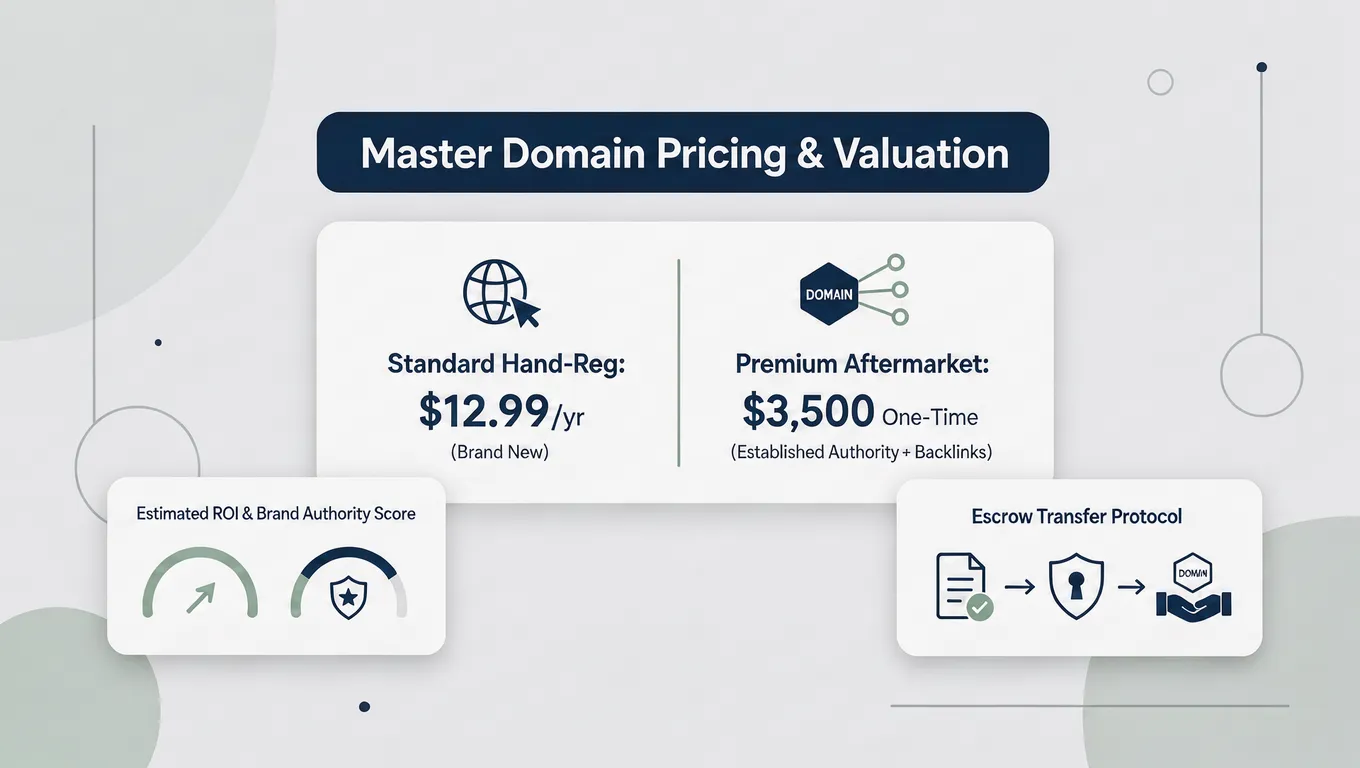
The Master Domain Pricing Breakdown Matrix
| Cost Component | Typical First-Year Rate | Typical Renewal Rate | Critical Financial Watchpoint |
|---|---|---|---|
| Standard .com TLD | $9.99 – $14.99 | $13.99 – $19.99/year | Look for steep year-two renewal jumps |
| Tech TLD (.ai / .io) | $35.00 – $65.00 | $40.00 – $80.00/year | Baseline wholesale registry fees are higher |
| WHOIS Privacy Shield | Included FREE at top platforms | $0.00 (or up to $10/yr extra) | Never pay extra for WHOIS privacy protection |
| Premium Keyword Domain | $500 – $100,000+ (Upfront) | Standard TLD rate ($15–$20/yr) | High initial asset acquisition cost |
1. How Much Does a Domain Name Cost in the First Year and After Renewal?
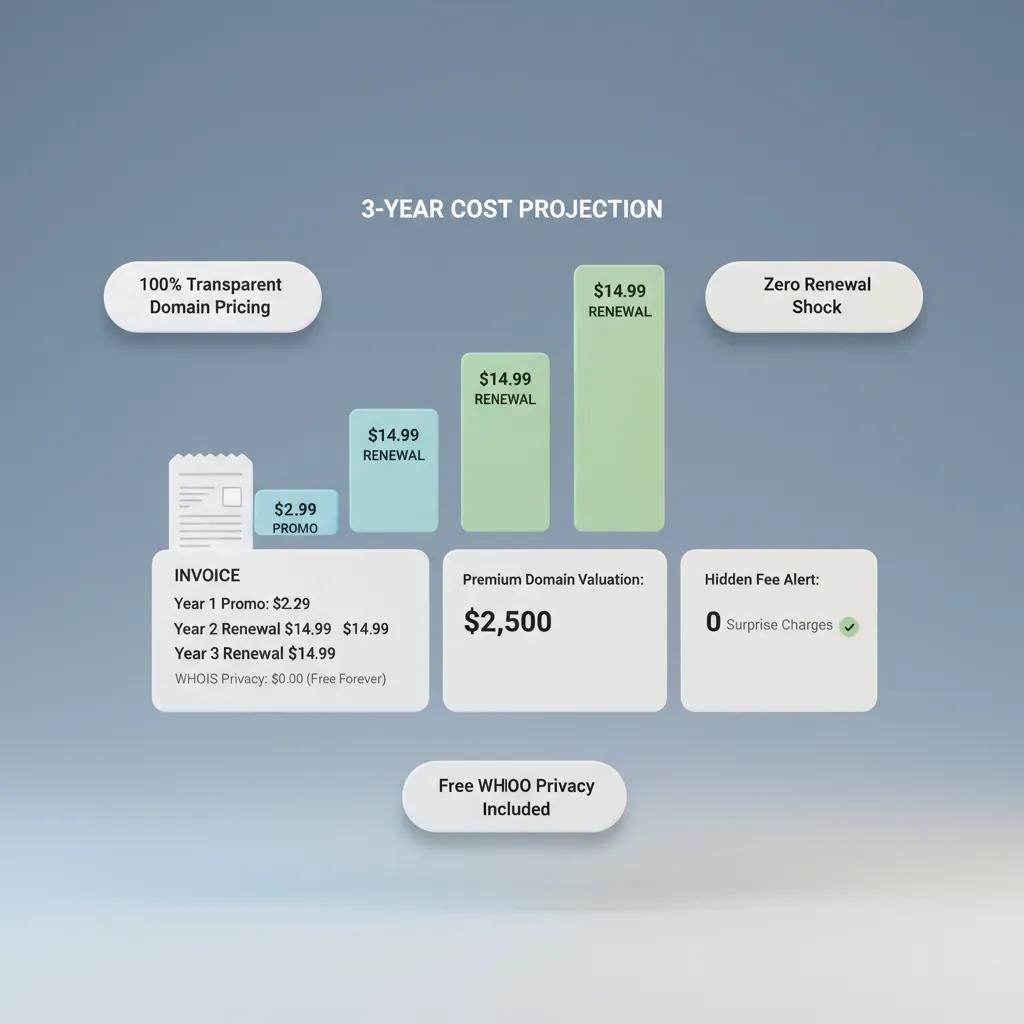
Focusing solely on an advertised $1.00 promotional deal without checking year-two renewal terms leads to unexpected billing surprises down the road. Calculate your complete operational expenditure across two years:
2-Year Domain Cost = First-Year Promotional Price + Year 2 Renewal Rate
Evaluating total how much does a domain name cost estimates upfront protects your operational budget, keeping your baseline domain name cost predictable as your company scales.
2. Understand What You Pay for a Standard Domain Registration
When you pay a registrar, you aren't purchasing permanent ownership of a piece of digital property forever. You are securing an exclusive license to route traffic to that web address for a specific registration period (typically 1 to 10 years). Essential elements covered under standard domain registration cost:
- Registry Access: Secures your unique web address across global DNS routing tables.
- DNS Management Access: Grants you total control to point A Records, CNAMEs, and MX records to your web host.
Understanding the baseline domain name registration price structure prevents confusion regarding multi-year renewal ownership rules.
3. Compare Domain Extensions Before Choosing One for Your Budget
Top-level domain (TLD) extensions carry vastly different wholesale price tags set by their respective central registries (like Verisign for .com or Identity Digital for modern descriptive extensions). Compare baseline extension price tiers:
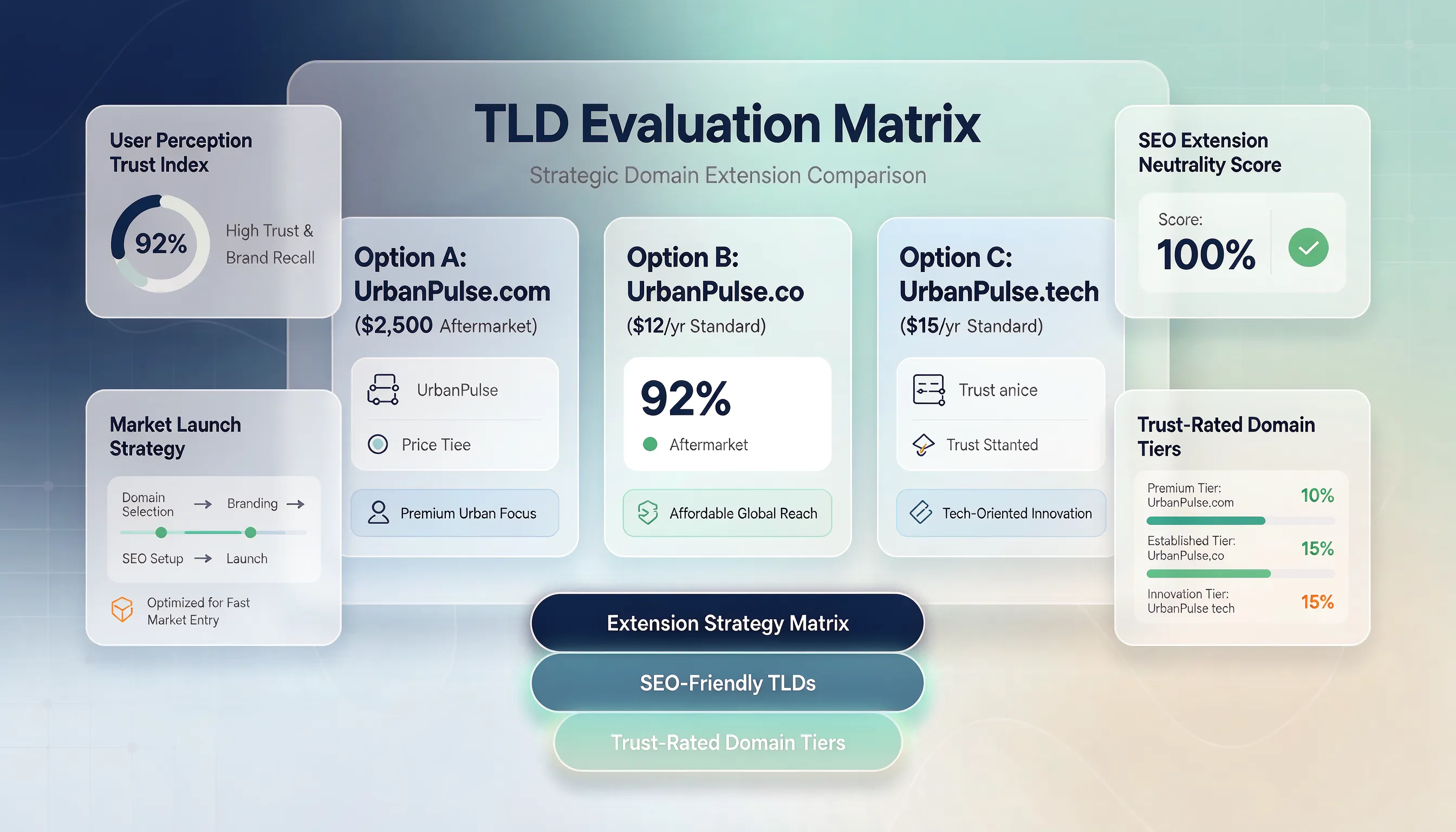
Comparing the .com domain price against the .co domain price helps you select a suffix that aligns with your operational budget while maintaining a strong domain extension cost profile.
4. Look Beyond the First-Year Discount to the Renewal Price
Registrars routinely lose money on $0.99 introductory deals because they expect to recover their profit margins when you renew at full price in year two. How to audit renewal terms before checkout:
- Locate Full Retail Price: Check the fine print beside the promotional banner to find the standard annual renewal fee.
- Audit Add-On Renewals: Ensure attached privacy shields or DNS extras don't carry hidden annual renewal charges.
Monitoring your domain renewal cost keeps your domain registration renewal price locked in, preventing steep price hikes when seeking a cheap domain renewal.
5. Find Out Why Premium Domain Names Cost Much More
"Why does one domain cost a few dollars while another costs hundreds or thousands?"
If a web address contains high-volume, commercially lucrative keywords—like Plumbing.com, Restaurant.com, or AIBuilder.com—it holds immense organic search value and high buyer intent. Why a premium domain name cost scale varies so drastically:
- High Search Volume: Keywords searched millions of times globally act as natural organic traffic magnets, reducing long-term ad spend.
- Aftermarket Valuations: Domain investors evaluate expensive domain names based on brand authority, potential revenue generation, and market scarcity.
Deciding to buy a premium domain is an investment in instant brand positioning, where upfront acquisition fees must be weighed against long-term customer acquisition savings.
6. Check Whether Privacy Protection and Other Extras Cost More
When you register an address, ICANN rules require public listing of the owner's name, email, phone number, and physical mailing address inside the public WHOIS directory. Watch for sneaky add-on fees during checkout:
| Optional Service | Recommended Action |
|---|---|
| WHOIS Privacy Shield | MUST BE FREE (Never pay extra per year) |
| Custom Business Email | Optional (Use Google Workspace/Outlook) |
| Premium DNS Speed Boosts | Unnecessary for 99% of small businesses |
Calculating your true domain privacy protection cost and eliminating hidden domain add-on fees ensures you skip useless domain registration extras.
7. Calculate the Total Cost of Owning a Domain for Several Years
Planning your company's operating budget requires calculating the total cost of ownership across a 3-to-5-year horizon rather than focusing on month-one invoices. Use this multi-year budget formula:
5-Year Ownership Expense = Year 1 Rate + (Annual Renewal Rate × 4) + Domain Privacy Fees
Evaluating your true domain cost per year provides complete transparency into your overall domain ownership cost and long-term domain cost over 5 years.
8. Compare Domain Registrars by Renewal Pricing and Included Features
Not all registrars operate under transparent pricing models. Some draw you in with cheap front-end deals, only to charge double market rates for basic renewal services. How to select the best domain registrar:
- Transparent Renewal Pricing: Choose a cheap domain registrar that guarantees flat, predictable renewal rates.
- Bundled Privacy Guards: Ensure full WHOIS privacy protection is included at zero additional cost.
- Unrestricted DNS Management: Verify you maintain 100% free access to modify A Records, CNAMEs, and nameservers without paying upgrade fees.
Reviewing full domain registrar pricing models upfront prevents platform lock-in down the road.
9. Know When a Free Domain Is Included With Website Hosting
Many modern builders and web hosts offer a complimentary web address for the first year when you sign up for an annual hosting package. Evaluate bundled domain offers carefully:
- Year-One Savings: Capturing a free domain with hosting package eliminates upfront registration expenses during setup.
- Year-Two Renewal Terms: Confirm the standard renewal rate applied to a domain included with website builder plans once your free 12-month period expires.
Claiming a free domain name bundle through an all-in-one platform provides an economical entry point for new business launches.
10. Budget for Country-Specific Domains and Registration Requirements
Country-code top-level domains (ccTLDs)—such as .uk, .ca, .de, or .co.uk—often carry unique pricing structures set by national registries. Factor in regional registration requirements:
- Wholesale Pricing Disparities: Check your target country-specific domain price to account for regional rate variations.
- Administrative Validation Costs: Review local country-code domain cost parameters alongside regional residency rules before checkout.
Screening specialized domain registration requirements early prevents registration holds when purchasing local extensions.
11. Avoid Paying for a Domain You Don't Actually Need
New business owners often fall victim to fear-based selling, spending hundreds of extra dollars purchasing dozens of alternative extensions (.net, .info, .biz, .org) that they will never use. Smart domain name buying tips to protect your cash flow:
Focusing strictly on your primary web address helps protect a domain name without incurring bloated domain registration fees.
12. Choose a Domain That Fits Your Budget and Connect It to Your Website
Once you select an affordable web address that fits your operating budget, take immediate action to secure your brand and deploy your storefront. Follow this seamless launch framework:
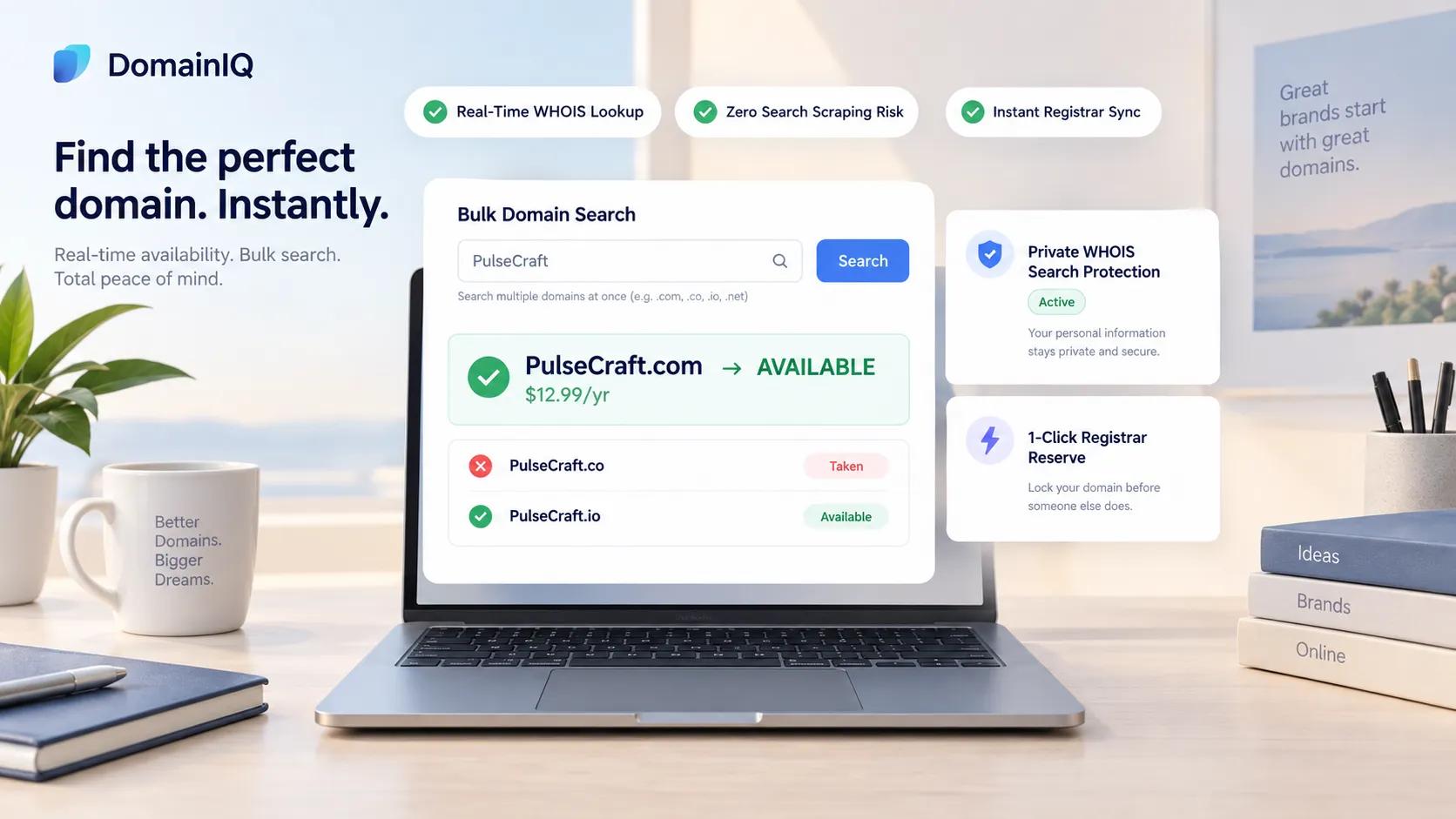
- Check Domain Availability: Search your target address inside BoltWeb to verify real-time availability and transparent renewal rates.
- Register Your Address: Complete your registration to buy a domain name or register a domain with built-in WHOIS privacy protection.
- Connect in 60 Seconds: Connect your address directly to BoltWeb using a simple two-line DNS setup!
Secure Your Domain and Launch Today: Skip hidden renewal fees, confusing DNS panels, and expensive agency retainers. Secure your domain on BoltWeb, connect your custom address seamlessly, and launch a search-optimized storefront using our advanced domain and website builder in under 60 seconds!
12 High-Converting FAQs: How Much Does a Domain Name Cost?
1. How much does a domain name cost in the first year versus ongoing annual renewals?
Here's the plain truth: A domain name's cost is dictated directly by its commercial category, market demand, and underlying search volume. Standard domain addresses usually range from $10 to $20 per year, but promotional first-year deals can drop as low as $0.99—while specialized top-level domains or high-demand premium names can command anywhere from $50 to $10,000+. If you focus solely on a cheap opening rate without checking renewal terms, you risk getting hit with unexpected price hikes later. When you launch your site with BoltWeb, you get complete pricing transparency from day one. As an all-in-one business website builder, BoltWeb allows you to secure your web address, connect custom domain routing, write search-optimized sales copy, and deploy a responsive storefront in under 60 seconds.
2. What am I actually paying for when I register a standard domain name?
When you pay a domain registrar, you aren't purchasing permanent, physical ownership of a piece of digital property forever. You are securing an exclusive license to route traffic to that web address for a specific registration period (typically 1 to 10 years). Essential features covered under a standard domain registration cost: Global Registry Access: Reserves your unique address across global DNS lookup tables so no one else can claim it. DNS Control Panel: Grants you complete control to point A Records, CNAMEs, and MX email records to your web server host. Understanding baseline domain name registration price structures prevents confusion regarding multi-year renewal rules and licensing terms.
3. Why do .com, .co, .io, and other extensions have completely different prices?
Top-level domain (TLD) extensions carry vastly different price tags set directly by central registries (like Verisign for .com or identity registries for modern tech suffixes). Comparing extension price tiers across popular suffixes:
- Commercial Standard (.com): Typically costs between $10 and $20 per year, delivering universal global trust and high brand recall.
- Modern Tech Suffixes (.co / .io / .ai): Carry higher wholesale registry fees, with a typical .co domain price or .io fee ranging from $25 to $70+ annually.
Evaluating the standard .com domain price against specialized domain extension cost tiers helps you select an address suffix that fits your long-term operating budget.
4. Why is the first year cheap, but domain renewal costs significantly more?
Registrars routinely offer deep first-year promotional discounts because they expect to recover their profit margins when you renew at full retail price in year two. How to audit renewal terms before buying:
- Verify Standard Retail Pricing: Check the fine print beside the promo banner to find the standard annual renewal fee before checking out.
- Audit Add-On Fees: Ensure attached privacy shields or security extras don't carry hidden annual renewal charges.
Monitoring your ongoing domain renewal cost keeps your overall domain registration renewal price locked in, keeping your search for a cheap domain renewal completely transparent.
5. Why do premium domain names cost hundreds or thousands of dollars?
If a web address contains high-volume, commercially lucrative keywords—like Plumbing.com, Restaurant.com, or AIBuilder.com—it holds immense organic search authority and high buyer intent. Why a premium domain name cost scale varies so drastically:
- High Organic Search Volume: Keywords searched millions of times act as natural traffic magnets, reducing your long-term ad spend.
- Market Scarcity: Investors evaluate expensive domain names based on market scarcity, short character length, and category dominance.
Deciding to buy a premium domain is a strategic investment in instant brand positioning, where high upfront fees must be weighed against long-term customer acquisition savings.
6. Are WHOIS privacy protection and other add-on fees mandatory when buying a domain?
When you register an address, ICANN regulations require public listing of the owner's name, phone number, and mailing address inside the public WHOIS directory. Watch for hidden cart add-on fees:
- WHOIS Privacy Shield: Should ALWAYS be included for free. Never pay extra monthly or annual fees to hide your personal contact details from spammers.
- Optional Add-On Services: Custom email hosting, SSL certificates, and premium DNS speeds should be evaluated separately from your core domain registration.
Calculating your true domain privacy protection cost and eliminating hidden domain add-on fees ensures you skip useless domain registration extras.
7. How do I calculate the total cost of owning a domain over a 5-year period?
Planning your company's operating budget requires calculating the total cost of ownership across a multi-year horizon rather than focusing on month-one invoices. Use this multi-year budget calculation:
5-Year Domain Expense = Year 1 Promotional Rate + (Annual Renewal Rate × 4)
Evaluating your true domain cost per year provides complete transparency into your overall domain ownership cost and long-term domain cost over 5 years.
8. How do I compare domain registrars by renewal pricing and included features?
Not all registrars operate under transparent pricing models. Some draw you in with cheap front-end deals, only to charge double market rates for basic renewal services and DNS modifications. How to select the best domain registrar:
- Predictable Renewal Rates: Choose a cheap domain registrar that guarantees flat, predictable renewal pricing.
- Bundled Protection: Ensure full WHOIS privacy protection is included at zero additional cost.
- Free DNS Management: Verify you maintain 100% free access to modify A Records, CNAMEs, and MX records without paying upgrade fees.
Reviewing full domain registrar pricing models upfront prevents unexpected lock-in down the road.
9. Is it cheaper to get a free domain included with my website hosting plan?
Many modern website builders and web hosts offer a complimentary custom web address for the first year when you sign up for an annual hosting plan. Evaluate bundled domain offers carefully:
- Year-One Savings: Capturing a free domain with hosting package eliminates upfront registration expenses during setup.
- Year-Two Renewal Terms: Confirm the standard renewal rate applied to a domain included with website builder plans once your free 12-month period expires.
Claiming a free domain name bundle through an all-in-one platform provides an economical entry point for new business launches.
10. How much do country-specific domains cost and what are their registration requirements?
Country-code top-level domains (ccTLDs)—such as .uk, .ca, .de, or .co.uk—carry unique pricing structures set by national registries. Factor in regional registration rules:
- Regional Pricing Disparities: Check your target country-specific domain price to account for local registry rates.
- Local Presence Rules: Review local country-code domain cost parameters alongside regional tax ID or address requirements before checkout.
Screening specialized domain registration requirements early prevents registration holds when purchasing local extensions.
11. How can I avoid overpaying for unnecessary defensive domains and extra extensions?
New business owners often fall victim to fear-based selling, spending hundreds of dollars purchasing dozens of alternative extensions (.net, .info, .biz, .site) that they will never use. Smart domain name buying tips to protect your cash flow:
- Focus on Your Primary TLD: Secure your primary .com or clean .co domain immediately.
- Skip Low-Value Extras: Avoid buying secondary extensions unless you operate active regional branches.
Focusing strictly on your primary address helps protect a domain name without incurring bloated domain registration fees.
12. How do I purchase my domain and connect it to a high-converting website builder?
Once you select an affordable web address that fits your budget, take immediate action to secure your brand and deploy your storefront. Follow this seamless execution sequence:
- Check Domain Availability: Search your target address inside BoltWeb to verify real-time availability and transparent renewal rates.
- Complete Registration: Complete your setup to buy a domain name or register a domain with built-in WHOIS privacy protection.
- Connect in 60 Seconds: Connect your address directly to BoltWeb using a simple two-line DNS configuration using our advanced domain and website builder, and launch your storefront in under 60 seconds!