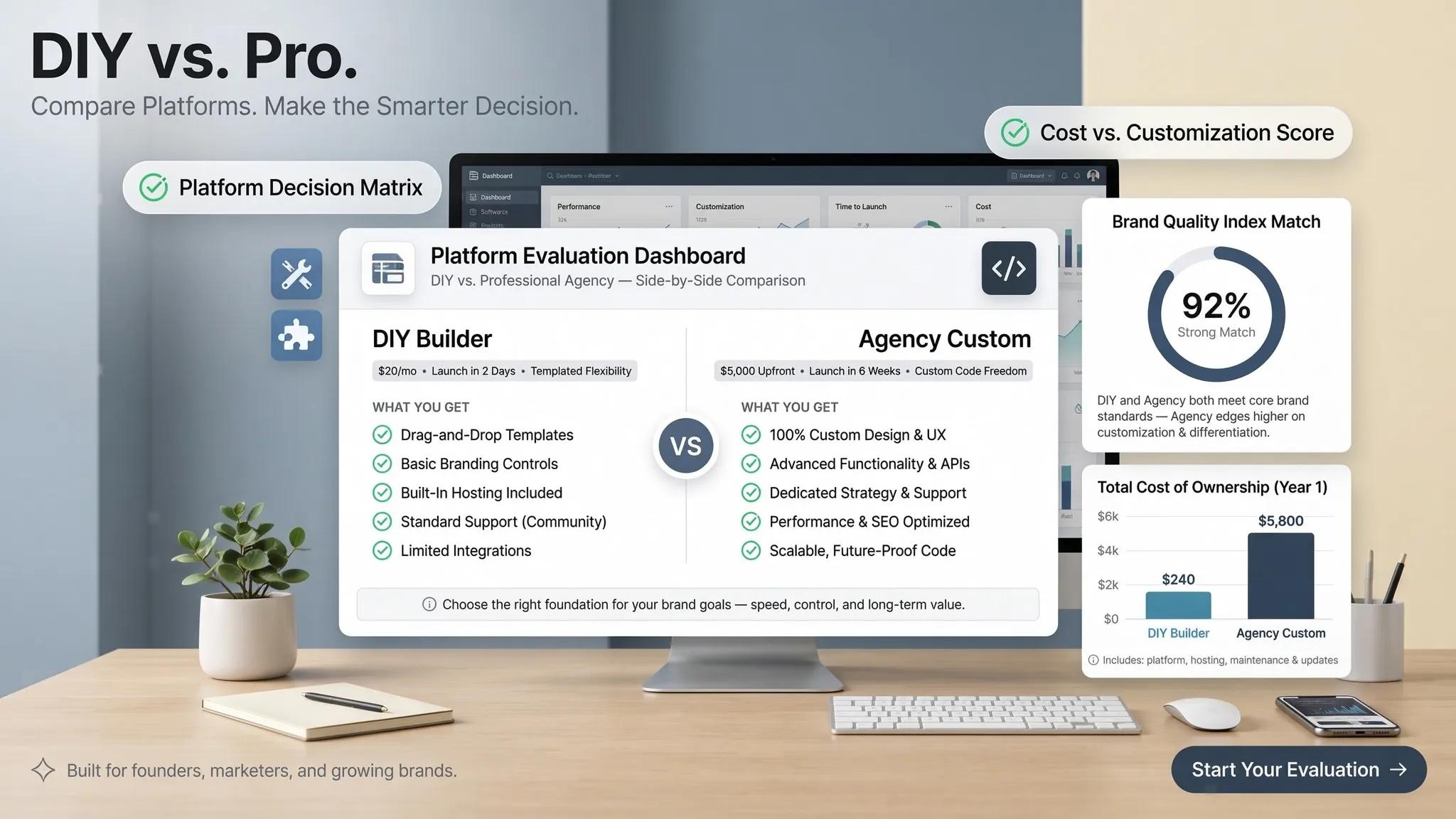
When evaluating a DIY website vs professional website, business owners often assume they must pick between two extreme ends of a spectrum: either spend dozens of painful hours fighting complicated software alone or fork over thousands of dollars to an expensive web design agency.
Most people don't realize there is a revolutionary third option.
An advanced platform like BoltWeb bridges this gap entirely. It acts as both a DIY website builder for small business owners and an automated professional web designer. Powered by deep, industry-trained AI, BoltWeb writes high-converting copy, constructs local SEO architecture, builds mobile-responsive layouts, and configures lead capture forms in seconds—giving you agency-grade results at a fraction of the cost.
Here is the head-to-head breakdown to help you decide which path fits your budget, time, and revenue goals.
DIY Website vs Professional Website: At a Glance
Before exploring the details, review this side-by-side comparison matrix to see how building it yourself compares to hiring an expert or using an intelligent hybrid tool:
| Evaluation Factor | Standard DIY Website Builder | Hiring a Professional Web Designer | AI-Powered Platform (BoltWeb) |
|---|---|---|---|
| Initial Financial Cost | Low subscription fees | High upfront professional website design cost | Extremely low, predictable subscription |
| Time to Launch | Weeks of manual effort and learning | 4 to 12 weeks of back-and-forth reviews | Under 10 minutes to a live, production draft |
| Technical Workload | High (writing, layouts, mobile fixes) | Zero (handled by agency or freelancer) | Zero (automated by trained AI) |
| Design & Copy Quality | Varies based on owner's design skills | Custom, tailored to brand identity | Agency-grade, industry-specific copy & UI |
| Local SEO Setup | Basic manual setup required | Comprehensive manual optimization | Automated local schema & keyword mapping |
| Ongoing Updates | Instant visual editing by owner | Dependent on developer retainers/hourly fees | Instant visual drag-and-drop editing |
| Long-Term ROI | Dependent on execution quality | High investment required for return | Immediate return with minimal capital risk |
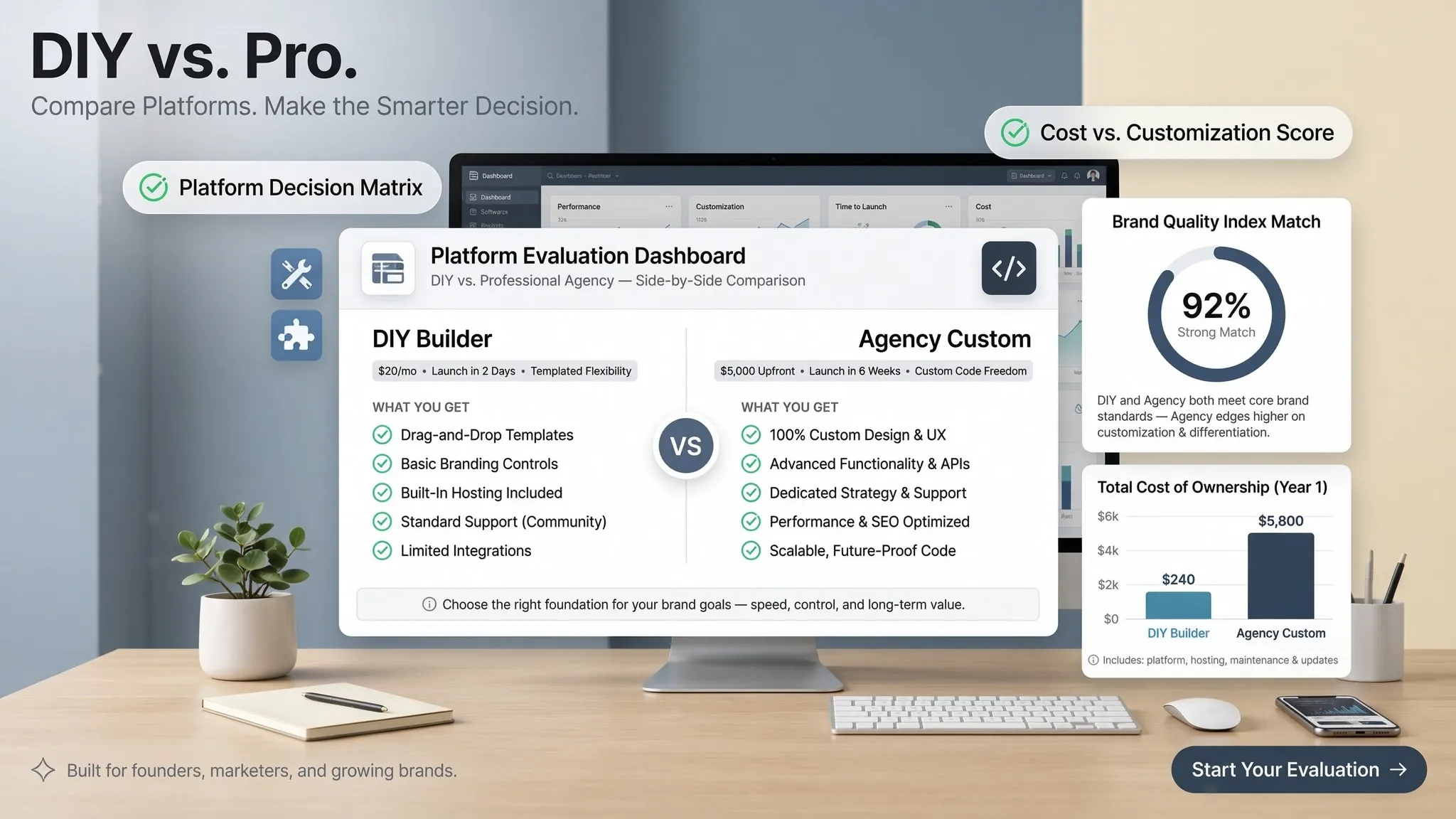
1. DIY Website vs Professional Website: What Are You Really Choosing?
When deciding between DIY vs professional web design, you aren't just picking software—you are deciding who handles planning, copywriting, design architecture, mobile optimization, and search engine setup.
Here’s the deal:
The Traditional DIY Route: You buy an affordable website builder, choose from generic website templates, write your own copy, upload photos, and attempt to arrange page layouts without breaking mobile viewports.
The Professional Agency Route: You hire a freelance web designer or agency to write custom code, build custom graphics, and execute custom website development services from scratch.
- • Traditional DIY ➔ Low cash cost + High personal time + Skill cap
- • Custom Agency ➔ High cash cost + Long agency wait + Developer reliance
- • BoltWeb AI Hybrid ➔ Minimal cost + Zero build time + Agency quality
Choosing the right approach comes down to balancing your available capital against your time.
2. Compare the Real Cost Beyond the Initial Price
Calculating the true cost to build a business website requires looking beyond basic software subscriptions or agency invoices.
Consider the complete financial equation:
Evaluating the DIY website cost reveals hidden expenses: software subscriptions, premium plugin add-ons, domain registration, stock photography fees, and—most importantly—the value of your personal labor. Spending 40 hours building a site takes time away from serving clients.
Conversely, assessing how much does it cost to hire a web designer shows upfront investments ranging from $2,500 to over $10,000, plus ongoing website maintenance cost retainers. An AI website builder for business eliminates both high agency fees and personal time drain.
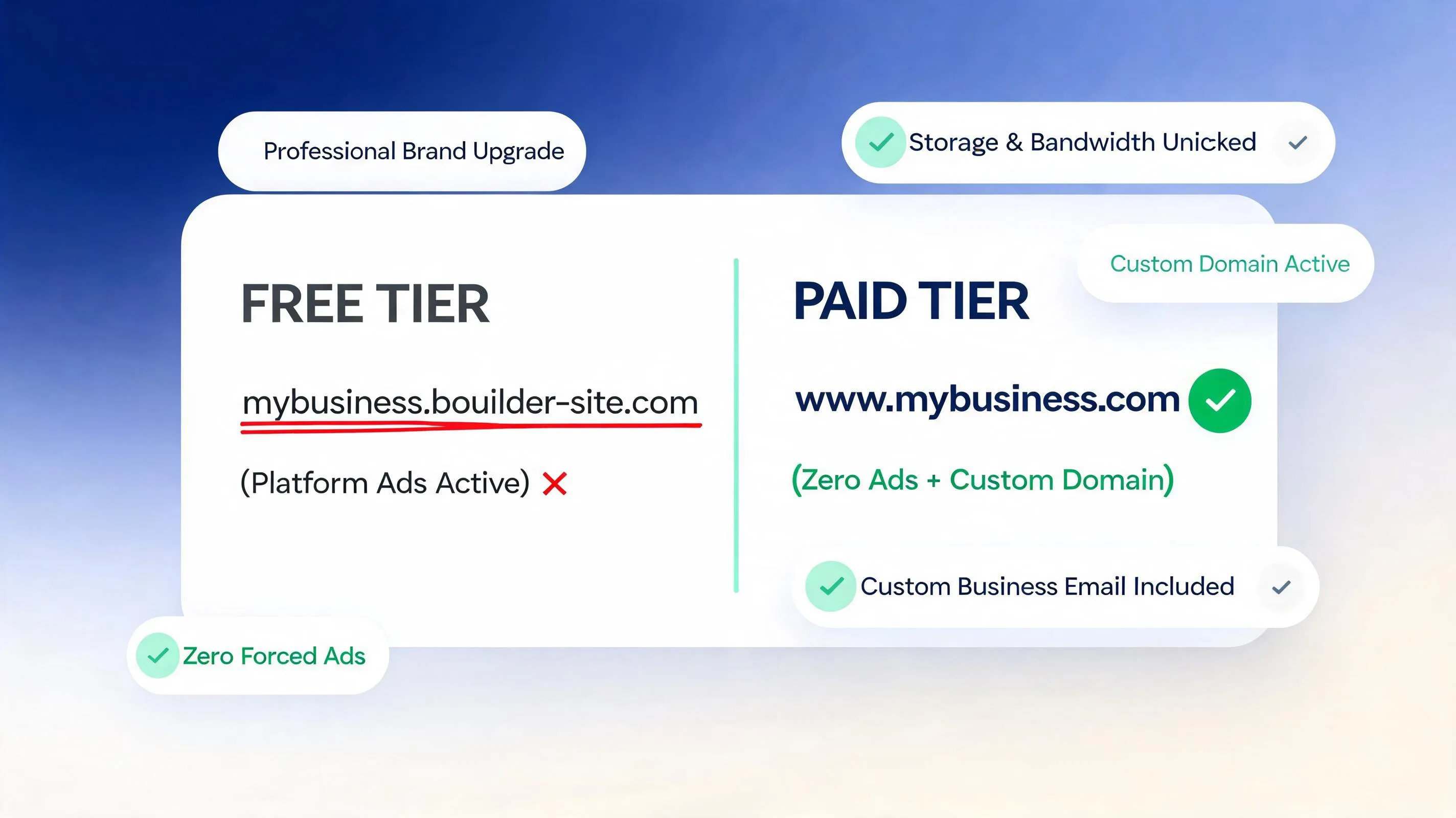
3. How Much Time Will You Need to Build and Maintain It?
If you decide to build a website yourself, where will that time come from?
Think about this:
Building a high-converting digital storefront requires:
- Drafting persuasive headline copy and service descriptions.
- Cropping and optimizing high-resolution project images.
- Configuring responsive layouts across smartphone screens.
- Setting up lead intake forms and tap-to-call mobile buttons.
- • 15+ Hours Draft Copywriting
- • 10+ Hours Layout Tweaking
- • 5+ Hours Mobile Fixes
- Total: 30 to 50+ Hours
- • Automated Trade Copywriting
- • Instant Responsive Grids
- • Pre-configured Lead Forms
- Total: Under 10 Minutes
Using an easy website builder for business driven by AI eliminates the learning curve so you can focus on running your operations.
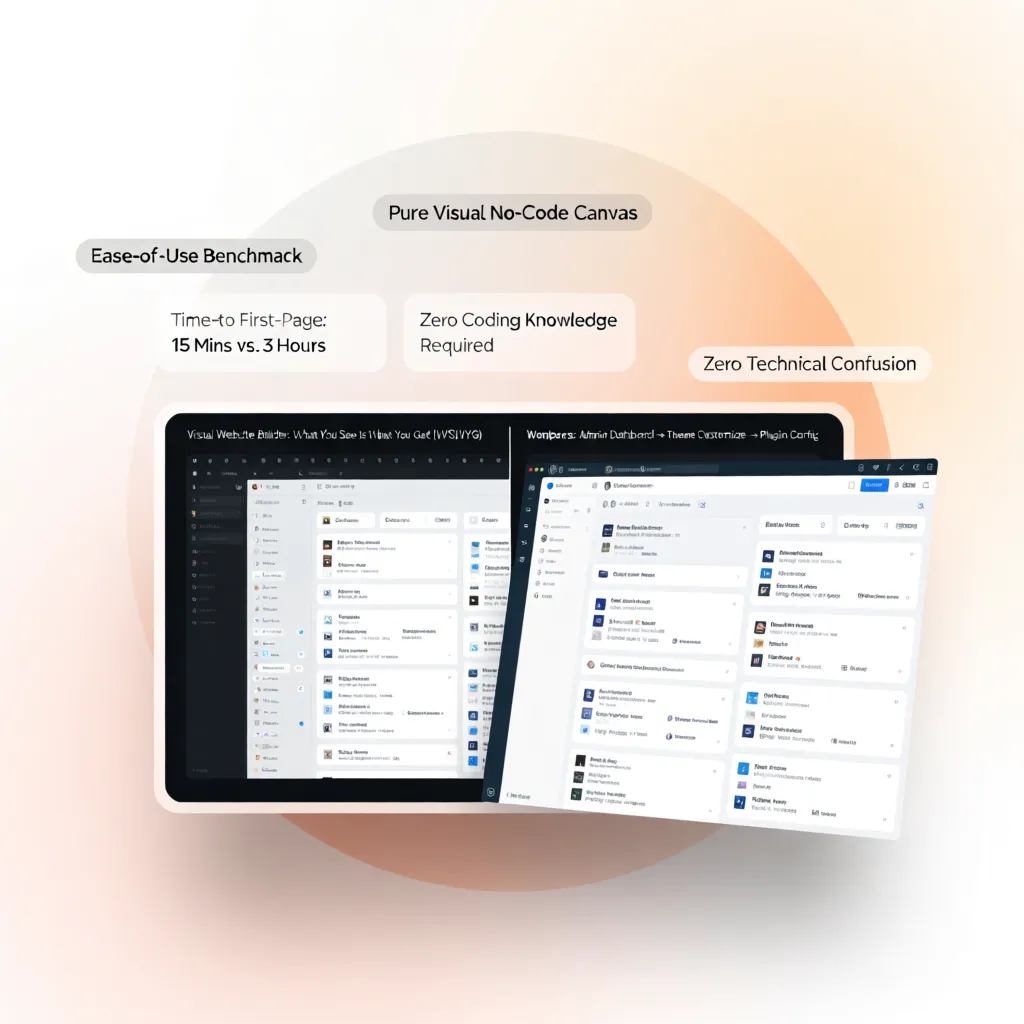
4. Compare Design Quality, Brand Identity, and Customer Trust
First impressions happen in milliseconds. When a local property owner lands on your page, layout quality determines whether they call for a quote or hit the back button.
Weighing the pros and cons of building your own website reveals clear visual trade-offs:
- The Risk of Generic DIY: Non-designers often select overcrowded templates, mismatched font pairs, or poor color contrast that looks unprofessional and undermines client trust.
- The Advantage of Professional Design: Professional layouts leverage whitespace, visual hierarchy, clear call-to-action placement, and verified social proof to build immediate authority.
Platforms like BoltWeb utilize built-in agency design rules, ensuring your generated site delivers sharp visual identity and high user trust automatically.
5. Which Option Gives You More Control Over Changes?
Your business changes constantly. You update service prices, expand coverage zip codes, or launch seasonal promos.
Evaluating DIY website builder vs web designer workflows shows significant differences in everyday editing control:
- Developer Reliance: If you rely entirely on an outside agency for a custom website, changing a single phone number or photo often requires submitting a ticket, waiting days, and paying hourly fees.
- Total Owner Autonomy: Using a small business website design services platform with direct visual editing allows you to log in from your phone or laptop and update copy, prices, or photos in seconds.
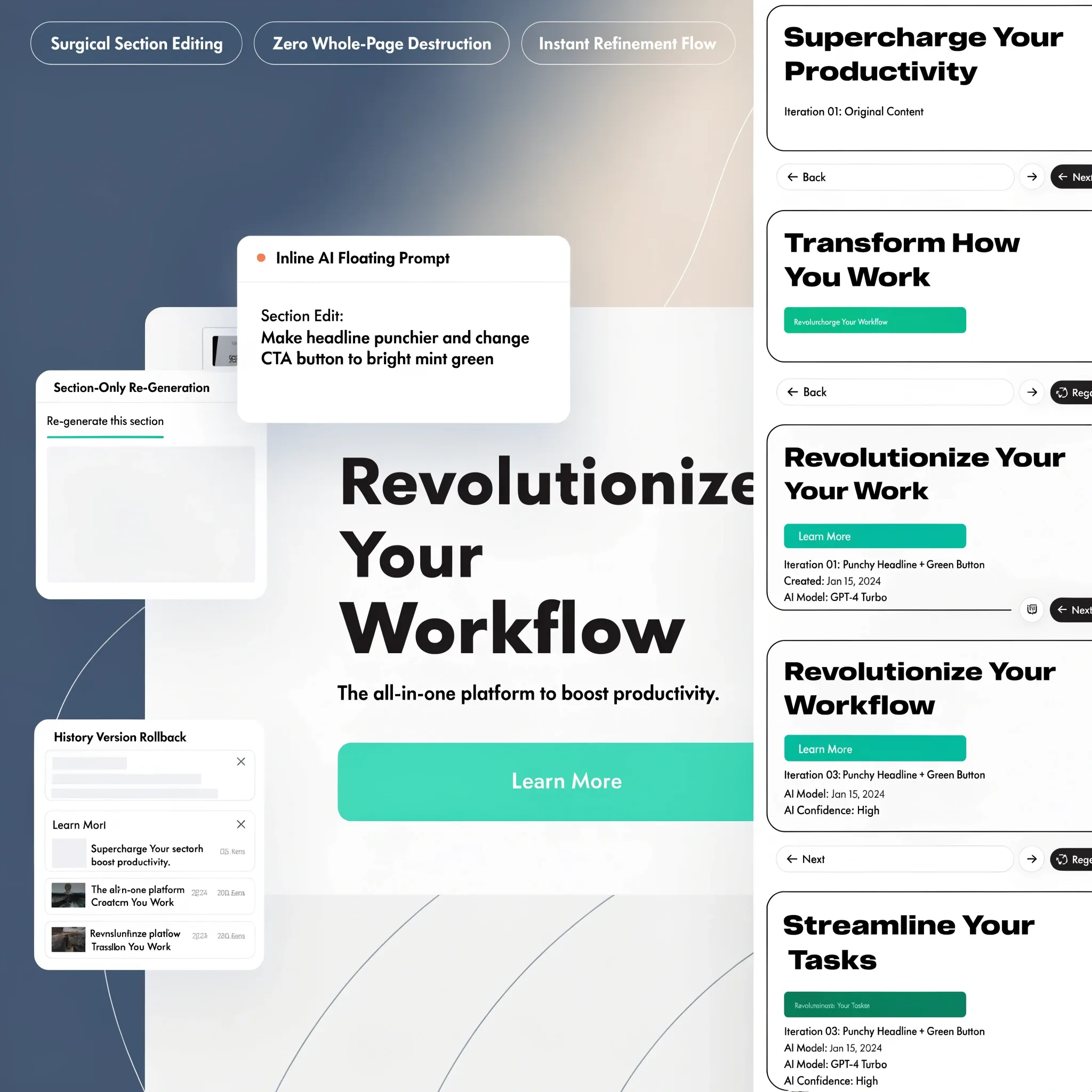
6. Can a DIY Website Perform Well on Google?
Will a self-built site rank at the top of Google search results for local service queries?
Let's clear the air:
Google's search algorithm doesn't care whether you hired an elite agency or used a builder. Search engines rank pages based on structural metadata, page speed, mobile performance, relevant local keywords, and user experience.
- • Structural Metadata ➔ Location-targeted H1/H2 tags & meta titles
- • Technical Performance ➔ Fast loading speed on mobile data networks
- • Geographic Context ➔ Clean coverage boundaries & schema tags
Comparing DIY website SEO against professional web design SEO shows that platforms like BoltWeb level the playing field by automatically configuring localized schema, meta tags, and clean heading hierarchy right out of the box.
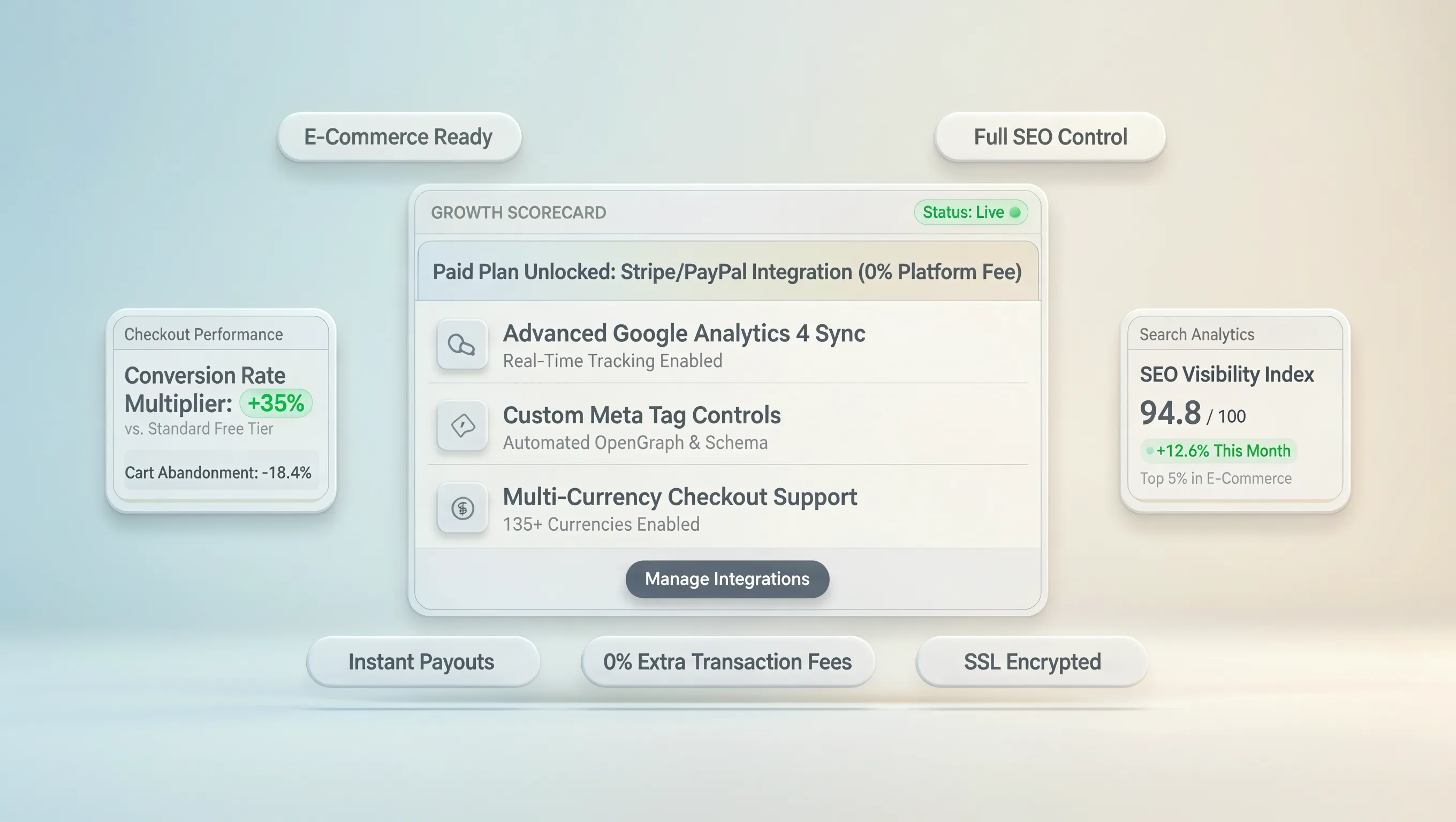
7. What Happens When You Need Forms, Bookings, or Payments?
A website shouldn't just sit online looking like a static brochure; it needs to capture qualified leads and process transactions around the clock.
Comparing functional integration capabilities:
- Manual DIY Complexity: Adding custom booking engines, deposit checkouts, or photo upload forms to standard builders often requires buying third-party plugins, managing API keys, and testing complex code snippets.
- Automated Feature Deployment: An advanced website builder for small business integrates lead intake forms, tap-to-call mobile headers, and online appointment booking directly into your core layout without extra setup.
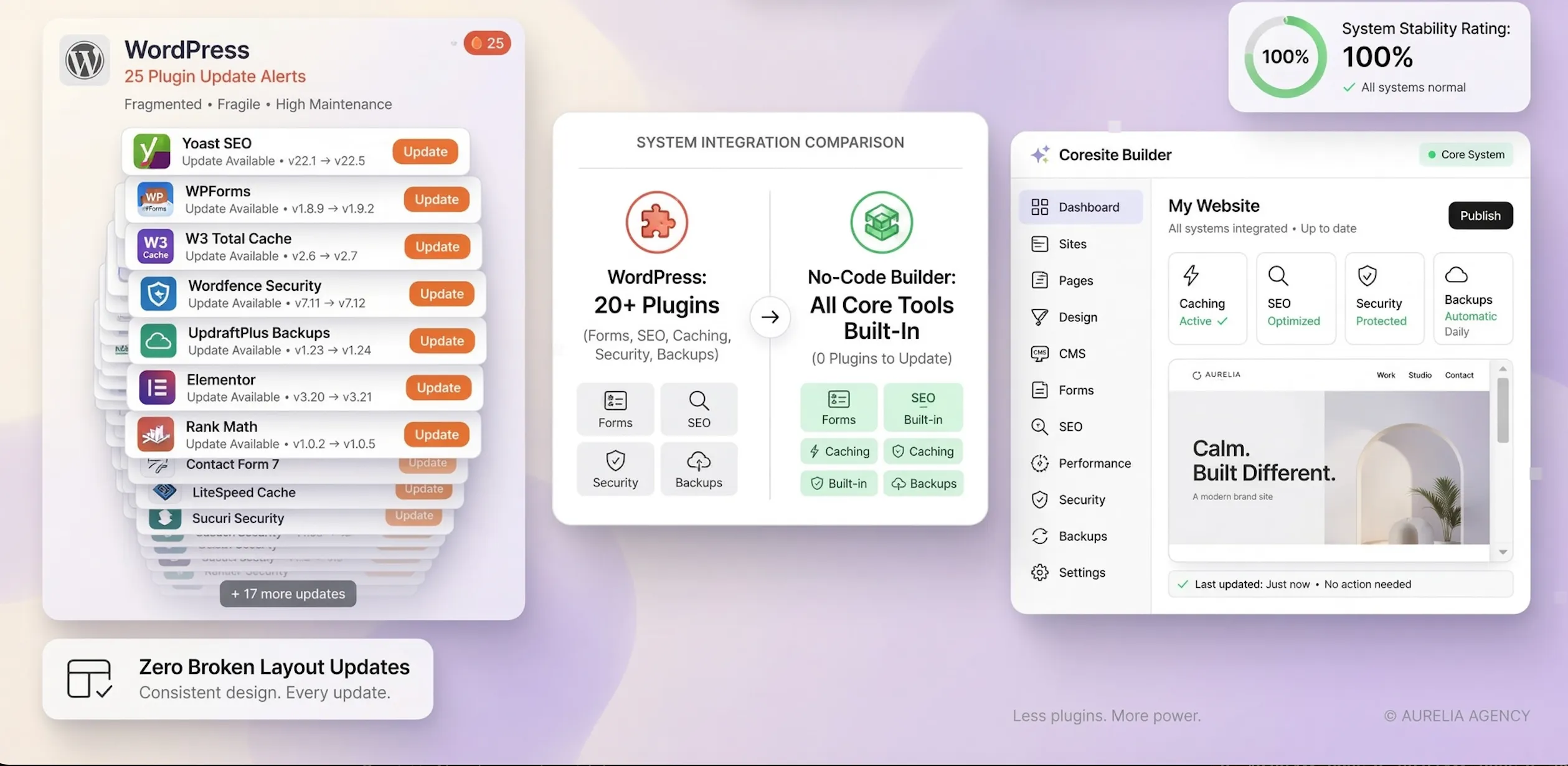
8. When Building Your Own Website Is the Smarter Choice
Building your site using an intelligent affordable website builder is the ideal choice when you are:
- Launching an early-stage business or testing a new market without risking thousands in upfront capital.
- Seeking an immediate web presence to capture calls without waiting weeks for an agency.
- Determined to maintain full operational control over everyday copy, pricing, and photo updates.
- [ ] I want a live website in days or hours, not months.
- [ ] I want to keep my upfront startup costs as low as possible.
- [ ] I need the ability to edit copy and photos whenever I want.
- [ ] I need built-in local lead intake forms and phone buttons.
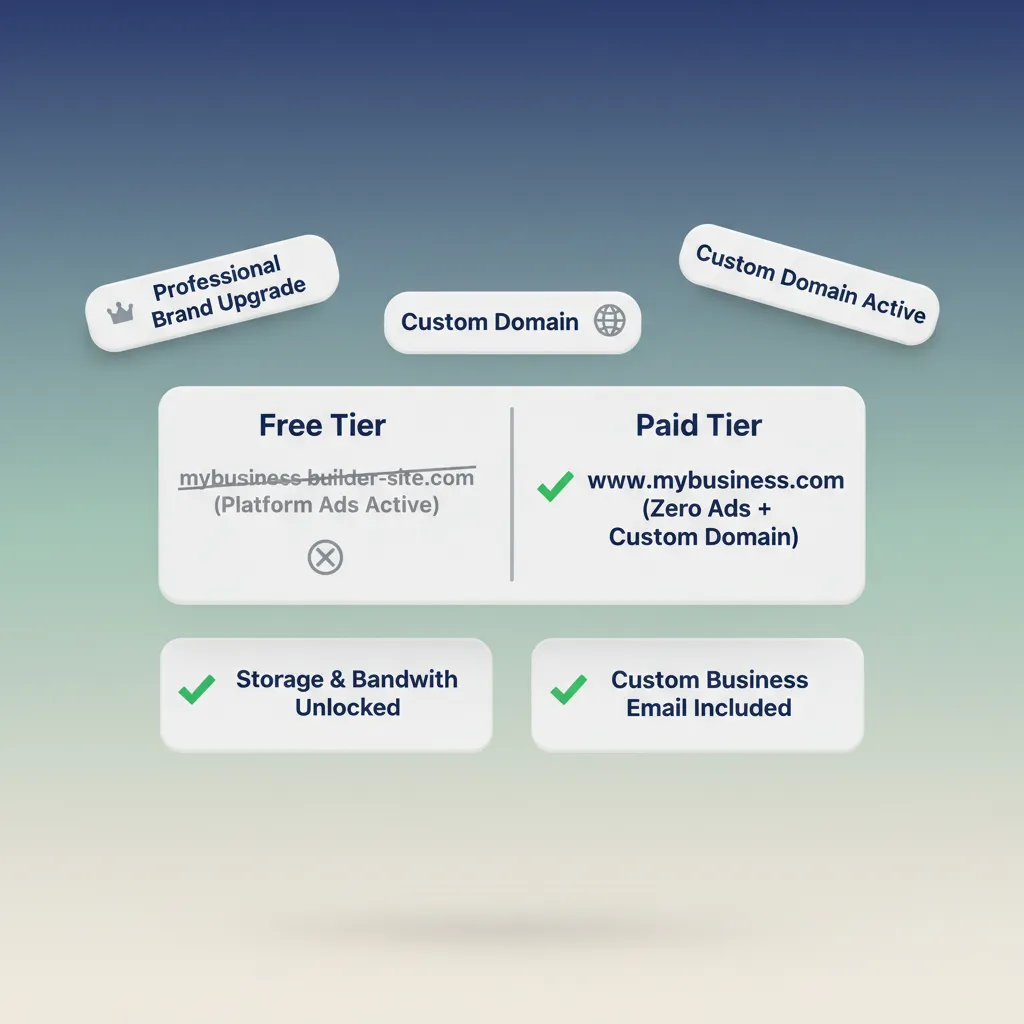
9. When Hiring a Professional Is Worth the Investment
Conversely, hiring a website design company for small business projects or investing in custom website development services makes sense when you:
- Require custom database architectures, proprietary client portals, or enterprise software integrations.
- Manage a multi-location enterprise with complex multi-national ecommerce inventory SKUs.
- Have substantial capital reserves and prefer to delegate all digital tasks to an external team.
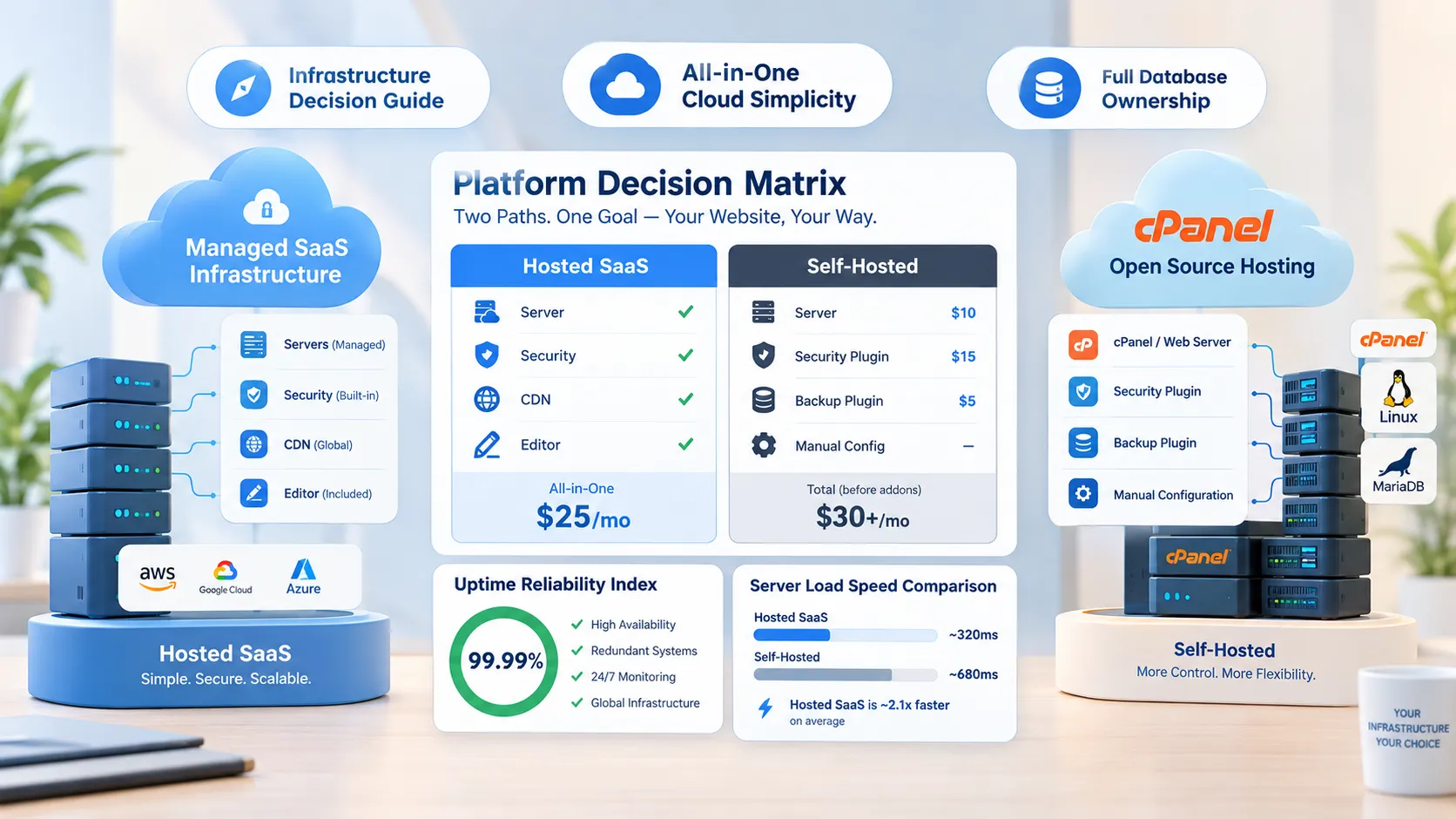
10. Consider the Middle Ground: Build It Yourself and Hire Help Where Needed
You don't have to choose between a complete DIY headache and a costly full-service agency contract.
A hybrid approach gives you the best of both worlds:
- Deploy Your Foundation With AI: Use BoltWeb to build a responsive, search-optimized draft in minutes.
- Add Targeted Professional Touches: If needed, hire a freelance copywriter or photographer to supply high-resolution job site photos or polished video overviews.
This hybrid workflow gives you an enterprise-grade digital presence at a fraction of standard design agency pricing.
11. Use This Checklist to Decide Which Option Fits Your Business
Run through this decision checklist to select the path that aligns with your budget, technical comfort, and time constraints:
- [ ] I want an agency-grade website without paying $5,000+ upfront.
- [ ] I want to go live in under an hour without writing code.
- [ ] I want automated local SEO tags, lead forms, and mobile layouts.
- [ ] I want total control to edit text and photos from my smartphone.
Result: If you checked two or more boxes above, an intelligent platform like BoltWeb is the fastest, most effective choice for your business.
12. Make Sure Your Website Is Ready Before You Launch
Before connecting your custom web domain and taking your new storefront live, complete a thorough quality review:
- [ ] Factual Verification: Confirm phone numbers, physical service addresses, operating hours, and license numbers are 100% correct.
- [ ] Interactive Testing: Submit test form inquiries and verify that tap-to-call mobile links dial your phone line correctly.
- [ ] Mobile Performance: Confirm fast load speeds and smooth navigation on mobile data networks.
- [ ] Search Engine Indexing: Ensure location metadata and custom page titles align with your target service zones.
To review official web standards and accessibility guidelines, inspect documentation at the W3C Web Accessibility Initiative, review search crawling documentation via Google Search Central, or analyze digital privacy frameworks on the Federal Trade Commission (FTC). Additional guidance on mobile user experience can be explored at the Nielsen Norman Group.
Stop waiting weeks for expensive web designers or struggling with complicated DIY software. Deploy your high-converting, professional storefront with BoltWeb today and start capturing local leads immediately.
DIY Website vs Professional Website: FAQs for Business Owners
1. Should I build my website myself or pay a professional web designer?
Here’s the honest truth:
Choosing between a DIY website vs professional website comes down to balancing your available capital against your personal time. If you have an abundance of free time and want absolute minimum initial startup costs, taking the DIY route can work. However, if your time is better spent serving clients, running daily operations, or closing high-ticket contracts, paying for a professional layout or using an automated platform like BoltWeb delivers a lead-ready digital storefront in minutes without the technical headache.
2. How much does a DIY website cost compared to hiring a professional designer?
Think about this:
While a basic DIY website cost looks tiny on paper—often just $15 to $30 a month for hosting and builder tools—it swallows dozens of hours of your personal labor. When calculating the true cost to build a business website, your time is a massive expense. On the flip side, the professional website design cost for a custom web agency ranges anywhere from $2,500 to over $10,000 upfront. Using an intelligent hybrid tool gives you agency-grade visual design at a predictable, entry-level subscription rate.
3. How much time will I actually spend trying to build a website myself?
Let’s look at the real workload:
Building a website from scratch isn't just about picking colors. You have to draft persuasive headline copy, crop images, arrange mobile layouts, set up contact forms, and test every button on touchscreens. Most business owners spend 30 to 50 hours wrestling with generic software before getting a draft they feel comfortable publishing. An automated platform eliminates this learning curve completely by building a responsive, high-converting storefront in seconds.
4. Will a DIY website look professional enough to win high-ticket customers?
Local property owners spot amateur, crowded web layouts in seconds—and it instantly destroys buyer trust.
If your site features mismatched fonts, low-contrast text, or misplaced call-to-action buttons, prospective clients will click away to call a local competitor. Evaluating DIY website design versus professional web design shows that layout quality directly impacts your conversion rate. Ensuring your site leverages clean visual hierarchy, clear trust badges, and thumb-friendly mobile buttons is essential for turning site visitors into paying clients.
5. Which option gives me more control over everyday updates after launch?
Your business changes constantly, and waiting days for a web developer just to change a phone number or price is frustrating.
Comparing a DIY website builder vs web designer workflow reveals a clear trade-off:
- Agency Dependence: Hiring an outside developer often means submitting support tickets and paying hourly fees every time you need simple copy or photo updates.
- Total Owner Control: Using an easy website builder for business allows you to log in from your phone or laptop and update service prices, text, or job site photos in seconds.
6. Can a DIY website perform well on Google search results?
Yes, absolutely—provided your site's underlying technical architecture is set up correctly.
Google’s search algorithm doesn't care whether you spent $5,000 on an agency or built the site yourself. Search engines rank pages based on content quality, mobile performance, structured metadata, and local search signals. Comparing DIY website SEO to professional web design SEO proves that having proper location-targeted H1/H2 tags, descriptive titles, and fast mobile load speeds is what actually drives organic local traffic.
7. What happens when I need lead forms, online bookings, or credit card payments?
A static website that only displays text is nothing more than a digital brochure.
When you need customers to take action—like scheduling a diagnostic slot or requesting a quote—adding interactive features to standard DIY tools often requires buying third-party plugins and managing complex code snippets. Using a dedicated website builder for small business ensures lead capture forms, tap-to-call mobile headers, and payment gateways are built natively into your pages right out of the box.
8. When is building my own website the smarter choice for my business?
Want to know when DIY makes total sense?
Building it yourself using an affordable website builder is the right move when you are launching an early-stage business, testing a brand new service idea, or working with a strict startup budget. It allows you to establish an immediate digital presence and start collecting phone calls without risking thousands of dollars in upfront capital before proving your business model.
9. When is hiring a professional web designer worth the investment?
Hiring a professional web designer or working with a web design agency is worth every penny when your project requires complex custom database pipelines, proprietary client portals, or multi-location e-commerce inventory systems. If your enterprise demands custom code development and you have dedicated capital reserves, paying for custom website development services is the right strategic move.
10. Can I start with a DIY website builder and hire a professional later?
Here’s the good news:
You are never locked into a single decision forever. You can launch your digital storefront using an easy website builder for business today, build up your local search authority, capture immediate client leads, and generate cash flow. If your operations expand to require custom enterprise applications years down the road, you can easily export your content, transfer your domain name, and upgrade your infrastructure without losing your brand equity.
11. Is there a middle ground between cheap DIY builders and expensive agencies?
Yes—and it is the smartest path for modern business owners.
Instead of choosing between a painful DIY project and an expensive agency contract, you can use an intelligent platform like BoltWeb. Powered by industry-trained AI, it acts as both a DIY website builder for small business owners and an automated professional web designer. You get agency-grade layout quality, custom industry copy, and local search architecture built instantly at a fraction of standard agency costs.
12. How do I know if my website is ready to launch and capture local leads?
Before taking your storefront live to the public, run through a quick pre-launch audit:
- [ ] Factual Accuracy: Verify that phone numbers, physical service areas, operating hours, and license numbers are 100% accurate.
- [ ] Interactive Testing: Submit test form inquiries and verify that tap-to-call mobile buttons dial your phone line directly.
- [ ] Mobile Performance: Confirm fast load speeds and clean navigation across smartphone touchscreens.
- [ ] Custom Domain Connection: Link your official web domain so search engine crawlers index your brand authority cleanly.