Most business websites fail for one simple reason: they read like corporate brochures written for a board of directors rather than persuasive sales conversations written for real human beings.
When a prospective client lands on your page, they aren't looking for clever marketing jargon or generic corporate buzzwords. They are looking for a clear, immediate answer to a single question: "Can this business fix my specific problem quickly, reliably, and without a headache?"
If your copy leaves them guessing, they will hit the back button and spend their money elsewhere.
Writing high-converting sales copy takes deep customer research and sharp editing. However, using intelligent platforms like BoltWeb streamlines the entire process. As a dedicated AI landing page generator, BoltWeb analyzes buyer intent, crafts high-converting section layouts, and writes persuasive messaging automatically—letting you launch high-performing marketing pages in minutes.
Here is your masterclass on how to write landing page copy that captures attention, overcomes buyer hesitation, and drives real business sales.
The High-Converting Landing Page Framework
Review this structural sequence before drafting your next page:
- 1. The Hook (Headline & Subhead) ➔ Establish immediate relevance
- 2. The Problem & Outcome ➔ Show deep understanding of pain
- 3. Concrete Value Proof ➔ Translate features into outcomes
- 4. Unshakeable Credibility ➔ Back up claims with verified proof
- 5. Objection Neutralization ➔ Eliminate risk, cost, and effort
- 6. Clear Call to Action ➔ Direct the reader's exact next step
1. How to Write Landing Page Copy That Gives Visitors a Reason to Act
When crafting sales copy, your primary job isn't to look sophisticated—it is to establish instant relevance and earn the next ten seconds of your reader's attention.
Here’s the deal:
Most visitors arrive on your page feeling skeptical, busy, and distracted. If your opening text uses abstract phrases like "Innovative Solutions for Next-Gen Growth," you lose them immediately.
Effective landing page copywriting follows a clear psychological path: capture attention with a bold, specific promise, show deep understanding of the customer's situation, and make taking action effortless.

2. Steal Your Customers' Language Before You Write Your First Headline
The most persuasive sales copy isn't created in an isolated conference room—it is collected directly from real market conversations.
When you use the exact words, phrases, and emotional frustrations your prospective clients use in everyday life, your message creates an instant connection.
Gather authentic customer-focused copywriting insights from these primary channels:
- Verified Five-Star Reviews: Scan Google, Yelp, and G2 reviews to identify the exact phrasing clients use when praising great work.
- Sales Call Logs: Note the recurring questions, anxieties, and price objections prospects bring up during intake calls.
- Targeted Search Queries: Research the exact local search terms customers type into Google when seeking immediate help.
Mirroring real client language makes your brand feel instantly familiar, trustworthy, and expert.

3. Decide What the Reader Needs to Believe Before They Will Buy
Not every person who clicks your page shares the same level of purchase readiness. Some prospects are experiencing an emergency and need immediate assistance, while others are simply exploring options and calculating estimates.
Before drafting your sales arguments, map your copy to your reader's level of awareness:
- • Entry: Urgent Google Search
- • Needs: Fast Call Button
- • Focus: Immediate Service
- • Entry: Social Ad or Article
- • Needs: Proof, Process, Cost
- • Focus: Comparison & Details
Matching your arguments to your audience's current understanding prevents over-explaining to urgent buyers or under-informing cautious researchers.
4. Turn Your Offer Into a Promise People Can Picture
Listing technical features—like 247-bit encryption, responsive CSS, or variable displacement compressors—means very little to a non-technical buyer.
Think about this:
Features describe what a product is, but benefits paint a vivid picture of what a product does for the buyer. Your job is to translate complex technical specifications into tangible human outcomes.
Describing clear, practical outcomes helps prospects picture how your service solves their everyday problems.
5. Write a Headline That Makes the Right Visitor Want to Read More
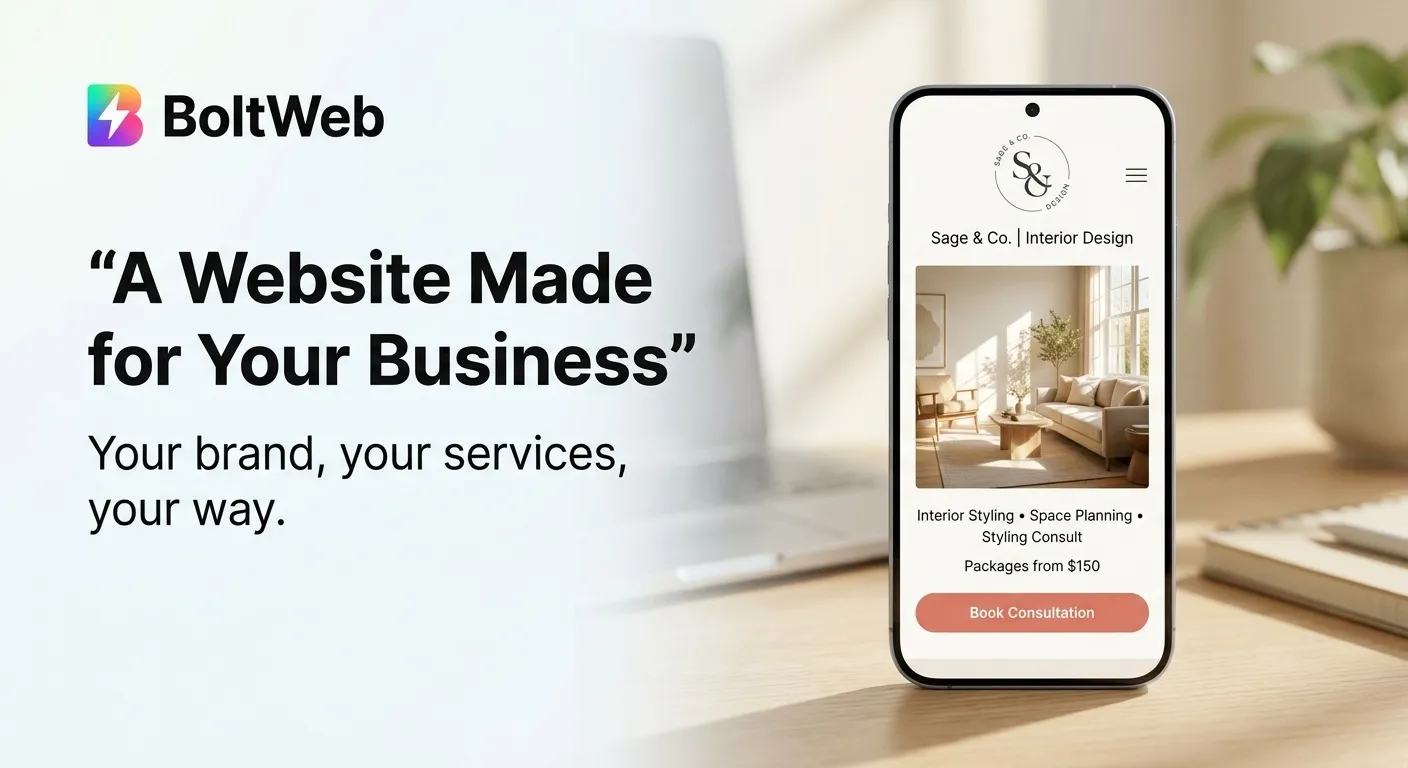
Your primary title bears 80% of the weight of your page's success. If it fails to hook the reader instantly, the rest of your carefully written copy goes completely unread.
Combine your main headline with a supporting subheadline to create a powerful one-two punch:
- Main Headline: Delivers a clear, outcome-driven promise ("Get Your AC Blowing Freezing Cold Air Again Today").
- Supporting Subheadline: Clarifies the offer, identifies who it serves, and neutralizes key hesitations ("Licensed local technicians available 24/7 across Dallas. Zero emergency call-out fees").
Using a two-part headline structure keeps your hook sharp while providing the necessary context to keep readers engaged (learn more in our detailed guide on crafting high-converting headlines).
6. Build the Argument One Section at a Time Instead of Dumping Every Feature on the Page
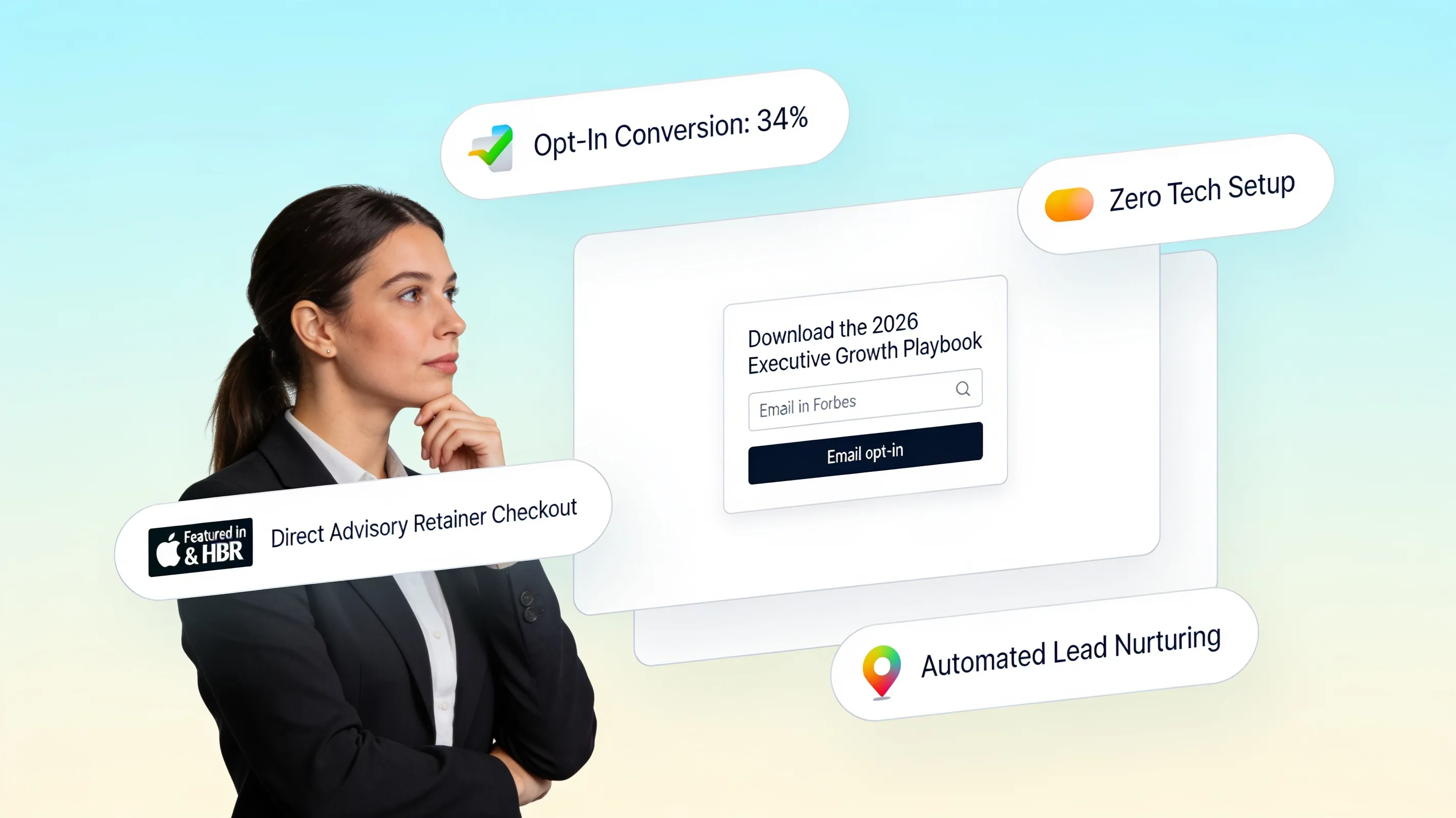
Throwing a wall of unstructured text at your readers causes cognitive fatigue. People scan web pages in an F-shaped pattern, looking for visual anchors, clear subheadings, and distinct section breaks.
Organize your page content so every block naturally answers the reader's next logical question:
- Section 1: Above-the-Fold ➔ What is the offer and immediate benefit?
- Section 2: Social Proof ➔ Who else has used this and gotten results?
- Section 3: How It Works ➔ How simple is the step-by-step process?
- Section 4: Deep Features ➔ What specific value is included?
- Section 5: Risk Removal ➔ What guarantees or warranties protect me?
- Section 6: Final Call ➔ What exact action should I take right now?
Structuring your copy into a logical sequence builds momentum and guides readers smoothly toward conversion. For more layout guidance, read our article on how many sections your landing page should have.
7. Replace Empty Marketing Claims With Details a Customer Can Verify
When every business claims to deliver "unmatched quality" and "world-class service," those generic words lose all persuasive power.
Replace vague brags with concrete, verifiable evidence:
Incorporate authentic landing page proof points—such as real job photos, verified client testimonials, and active state contractor license badges—to eliminate buyer skepticism (see how to weave credibility markers across your site in our guide on establishing website credibility).

8. Answer the Objection That Would Otherwise Keep Someone From Clicking
Even when a prospect loves your offer, lingering doubts about cost, hidden fees, turnaround time, or technical complexity can prevent them from taking action.
Address these hesitations directly inside a dedicated objection-handling section:
- Price Doubt: "Will there be hidden fees?" ➔ We provide upfront, fixed-rate pricing before any work begins.
- Time Doubt: "How long will this take?" ➔ Most installations are completed in under 4 hours.
- Risk Doubt: "What if I'm not satisfied?" ➔ Every job is backed by our 100% money-back guarantee.
Neutralizing key buying hesitations removes the final friction points standing between a reader and a lead submission.

9. Write a Call to Action That Tells People Exactly What Happens Next
Generic button labels like "Submit," "Click Here," or "Send" create unnecessary micro-friction because they sound like work and don't clarify what happens next.
Use specific, action-oriented landing page CTA copy that highlights the immediate benefit of clicking:
Adding reassuring supporting text beneath your button—such as "No credit card required" or "Response time under 15 minutes"—further lowers tension and increases conversions. For deeper CTA strategy, read our guide on landing page CTA best practices.

10. Use a Copywriting Formula Without Making Every Page Sound the Same
Classic persuasion frameworks offer helpful scaffolding, but following them rigidly can make your writing sound repetitive and mechanical.
Adapt classic frameworks to fit your specific market scenario:
- AIDA (Attention, Interest, Desire, Action): Ideal for comprehensive landing pages that need to build an argument from the ground up for a cold audience.
- PAS (Problem, Agitation, Solution): Perfect for urgent local services where the prospect is actively experiencing a painful problem right now.
Using frameworks as flexible guides rather than strict rules keeps your copy feeling authentic and engaging.
11. Edit Your Draft Until Every Sentence Earns Its Place
Your first draft is meant to get ideas on paper; your second draft is where you cut fluff and sharpen your message.
Clean up your copy using these editing techniques:
- Strip Fluff Words: Remove unnecessary adverbs and filler words like really, very, basically, or next-generation.
- Shorten Sentences: Break long, complex paragraphs into punchy 2-to-3 line blocks that are easy to read on mobile screens.
- Check Visual Scanning: Ensure bold subheadings allow readers to get the core message even if they just skim the page.
Tightening your text reduces cognitive load and keeps readers focused on your main offer.
12. Test Your Copy Against Real Visitor Behavior, Not Your Personal Taste
Never rely purely on personal preference or internal opinions to determine your long-term sales copy strategy. Running structured tests yields clear evidence of what actually drives results.
Build an evidence-based testing workflow:
- Isolate High-Impact Variables: Test major messaging changes—like a problem-focused headline versus a benefit-focused title—rather than minor word changes.
- Track Meaningful Conversion Events: Measure form submissions, phone call taps, and purchases rather than superficial metrics like page scroll depth.
- Review Analytical Feedback: Use tools like Google Analytics to track user drop-off points (explore performance analysis techniques in our guide on analyzing visitor bounce rates).
Base your edits on real user data to continually refine your messaging and maximize lead generation.

Ready to Publish High-Converting Landing Pages?
Writing persuasive sales copy, structuring page layouts, and configuring SEO metadata doesn't have to take weeks of effort.
By building your digital storefront on BoltWeb, intelligent tools generate sales copy, build responsive section layouts, and optimize local search tags automatically. You get field-tested headlines, persuasive section copy, and high-converting lead forms pre-configured out of the box—allowing you to publish professional, lead-ready landing pages in minutes.
12 High-Converting FAQs: How to Write Landing Page Copy That Sells
1. What is the main goal of landing page copy, and why are my visitors leaving without buying?
Here’s the plain truth:
Your landing page copy isn't meant to sound like a polished corporate brochure—it is engineered to guide prospective clients toward a single action. When visitors land on your page and leave without submitting a form or picking up the phone, your messaging is likely confusing, overly complex, or unaligned with their immediate problem. Building your site on BoltWeb eliminates copywriting friction entirely. As an advanced AI landing page generator, BoltWeb analyzes buyer intent, extracts high-converting messaging, and writes persuasive section copy that turns casual clicks into real business inquiries.
2. How do I gather voice of customer (VoC) research before I start writing?
The most persuasive sales copy isn't invented out of thin air—it is collected directly from real market conversations.
Gather authentic insights for your landing page copywriting research across three primary channels:
- Verified Customer Reviews: Scan Google, Yelp, and G2 reviews to capture the exact phrases clients use when praising great work.
- Intake Call Logs: Note the recurring questions, anxieties, and price objections prospects bring up during sales consultations.
- Targeted Search Queries: Inspect the exact search terms local property owners type into Google when looking for immediate help.
Mirroring everyday voice of customer phrasing in your copy makes your business feel instantly familiar, trustworthy, and expert.
3. How do I match my sales copy to my audience's awareness level?
Not every person who clicks your page shares the same purchase readiness. Trying to explain basic concepts to an urgent, ready-to-buy client creates friction, while pushing a fast quote on a cautious researcher scares them away.
Map your arguments to your reader's buying stage:
- High-Intent Buyers (Problem-Aware): Lead with urgent solutions, tap-to-call buttons, and upfront service coverage details.
- Researching Prospects (Solution-Seeking): Provide deep process breakdowns, transparent pricing frameworks, and verified client testimonials.
Tailoring your persuasive landing page copy to what your audience already knows keeps them engaged and moving toward conversion.
4. How do I translate technical features into a persuasive landing page value proposition?
Listing raw technical specifications—like flexbox layouts, variable speed compressors, or 256-bit encryption—means very little to a non-technical buyer.
To build a strong landing page value proposition, translate every feature into a concrete human outcome:
- Raw Feature: "Equipped with high-efficiency variable speed fan motors."
- Tangible Outcome: "Cools your home in minutes while cutting your monthly electric bill by up to 30%."
Focusing on benefit-driven copywriting helps readers picture how your offer makes their life easier, faster, or better.
5. How do I write headlines and subheadlines that hook high-intent readers?
Your opening title bears 80% of the weight of your page's success. If it fails to capture attention immediately, the rest of your carefully crafted copy goes completely unread.
Combine your main title and subtext into a powerful two-part punch:
- Primary Headline: Delivers a bold, outcome-driven promise ("Emergency Plumbing Repairs in Dallas—On Site in 60 Minutes").
- Supporting Subheadline: Clarifies the offer, defines who it serves, and removes key buying hesitations ("Licensed technicians available 24/7. Zero emergency call-out fees").
Using a structured opening hook keeps your message clear while guiding readers into the rest of your sales argument (explore full headline strategies in our guide on how to write a landing page headline).
6. How should I structure my landing page content so visitors don't get overwhelmed?
Throwing an unstructured wall of text at your readers causes cognitive fatigue and high bounce rates. Web visitors scan pages in structured visual patterns, looking for distinct headings and logical section flows.
Organize your layout with a clean landing page content structure:
- Section 1: Above-the-Fold ➔ Clear offer promise & primary call button
- Section 2: Social Proof ➔ Verified customer reviews & star ratings
- Section 3: Simple Process ➔ 3-step breakdown of how the service works
- Section 4: Deep Benefits ➔ Specific outcomes & coverage boundaries
- Section 5: Risk Removal ➔ Guarantees, warranties, & key FAQ answers
For more structural guidance, see our article on what a landing page should include.
7. How do I support my sales claims with landing page proof points?
When every competitor claims to deliver "unmatched quality" and "world-class service," those generic words lose all persuasive power.
Replace vague brags with concrete, verifiable evidence:
- Verified Social Proof: Feature authentic Google reviews with real client names and job photos.
- Official Badges: Display active state contractor licenses, trade certifications, and insurance verification.
- Authentic Galleries: Replace generic stock imagery with actual photos of your team, branded trucks, and completed local projects.
Incorporate verified landing page testimonials to eliminate buyer skepticism and build unshakeable credibility (see how to add social proof across your site in our guide on how to build trust with your website).
8. How do I address objections in my landing page FAQ copy before visitors leave?
Even when a prospect loves your offer, lingering doubts about cost, hidden fees, turn-around times, or technical complexity can prevent them from taking action.
Address these hesitations directly inside a dedicated objection-handling section:
- Pricing Hesitations: Provide upfront pricing frameworks or explain how project estimates are calculated.
- Speed Concerns: Outline exact timeframes for service delivery and response times.
- Risk Doubts: Highlight explicit satisfaction guarantees or money-back warranties.
Neutralizing key buying hesitations inside your landing page FAQ copy removes the final barriers standing between a reader and a lead submission.
9. What action-oriented wording works best for landing page CTA copy?
Generic button labels like "Submit," "Click Here," or "Send" create unnecessary micro-friction because they sound like work and fail to explain what happens next.
Use specific, benefit-driven landing page CTA copy:
- Weak Label: "Submit Application"
- Persuasive Label: "Get My Free Instant Quote"
- Weak Mobile Button: "Learn More"
- Persuasive Mobile CTA: "Tap to Call Our Emergency Line Now"
Adding reassuring microcopy beneath your button—such as "No credit card required" or "Responds in under 15 minutes"—further lowers tension and boosts form completions. Explore deeper strategies in our guide on landing page CTA best practices.
10. How do I use the AIDA and PAS copywriting formulas effectively?
Classic persuasion frameworks offer helpful scaffolding, but following them rigidly can make your writing sound mechanical and repetitive.
Adapt classic frameworks to your specific audience:
- AIDA (Attention, Interest, Desire, Action): Ideal for comprehensive landing pages that need to build an argument from the ground up for cold traffic.
- PAS (Problem, Agitation, Solution): Perfect for urgent local services where the prospect is actively suffering from a painful problem right now.
Using formulas as flexible guides rather than strict rules keeps your copy feeling authentic and engaging.
11. How do I edit my draft to cut fluff and improve landing page copy editing?
Your first draft is meant to capture ideas; your second draft is where you cut fluff and sharpen your message.
Tighten your text using these landing page copywriting tips:
- Strip Jargon: Cut empty corporate buzzwords like innovative, cutting-edge, synergistic, or next-generation.
- Shorten Paragraphs: Break long text blocks into punchy 2-to-3 line paragraphs that are effortless to scan on mobile screens.
- Check Visual Scannability: Ensure bold subheadings allow readers to grab the core message even if they just skim the page.
Trimming generic filler clarifies your core value proposition and keeps readers focused on taking action.
12. How do I set up landing page copy testing based on real visitor data?
Never rely purely on internal opinions to determine your long-term messaging strategy. Running structured tests yields clear evidence of what actually drives conversion results.
Build an evidence-based testing workflow:
- Isolate High-Impact Variables: Test major messaging changes—like a problem-focused headline versus a benefit-focused title—rather than minor punctuation tweaks.
- Track Conversion Events: Measure form submissions and direct phone button taps rather than superficial page scroll depth.
- Review Analytical Feedback: Track user drop-off points using conversion analytics (explore performance analysis techniques in our guide on identifying why visitors leave your site).
Basing your edits on real user data ensures your sales copy continuously improves its lead generation performance over time.