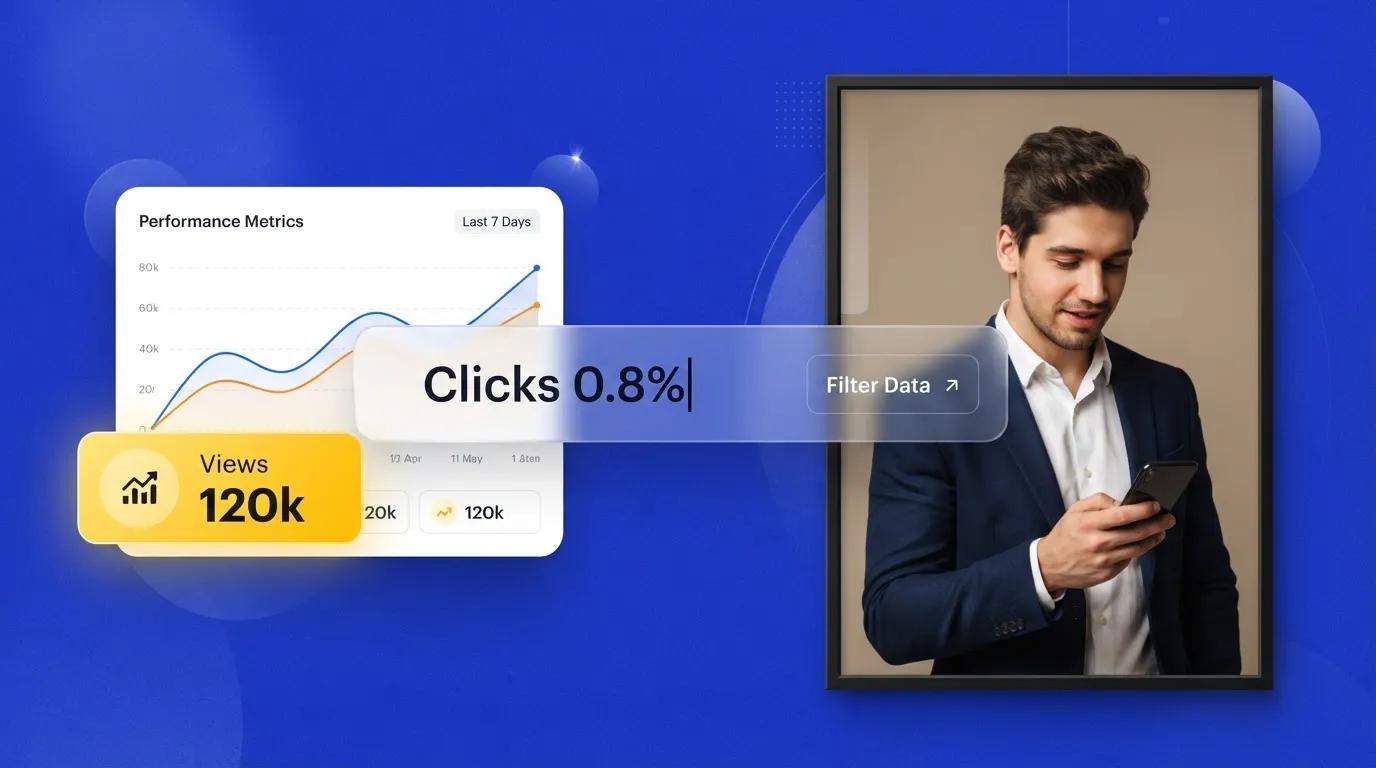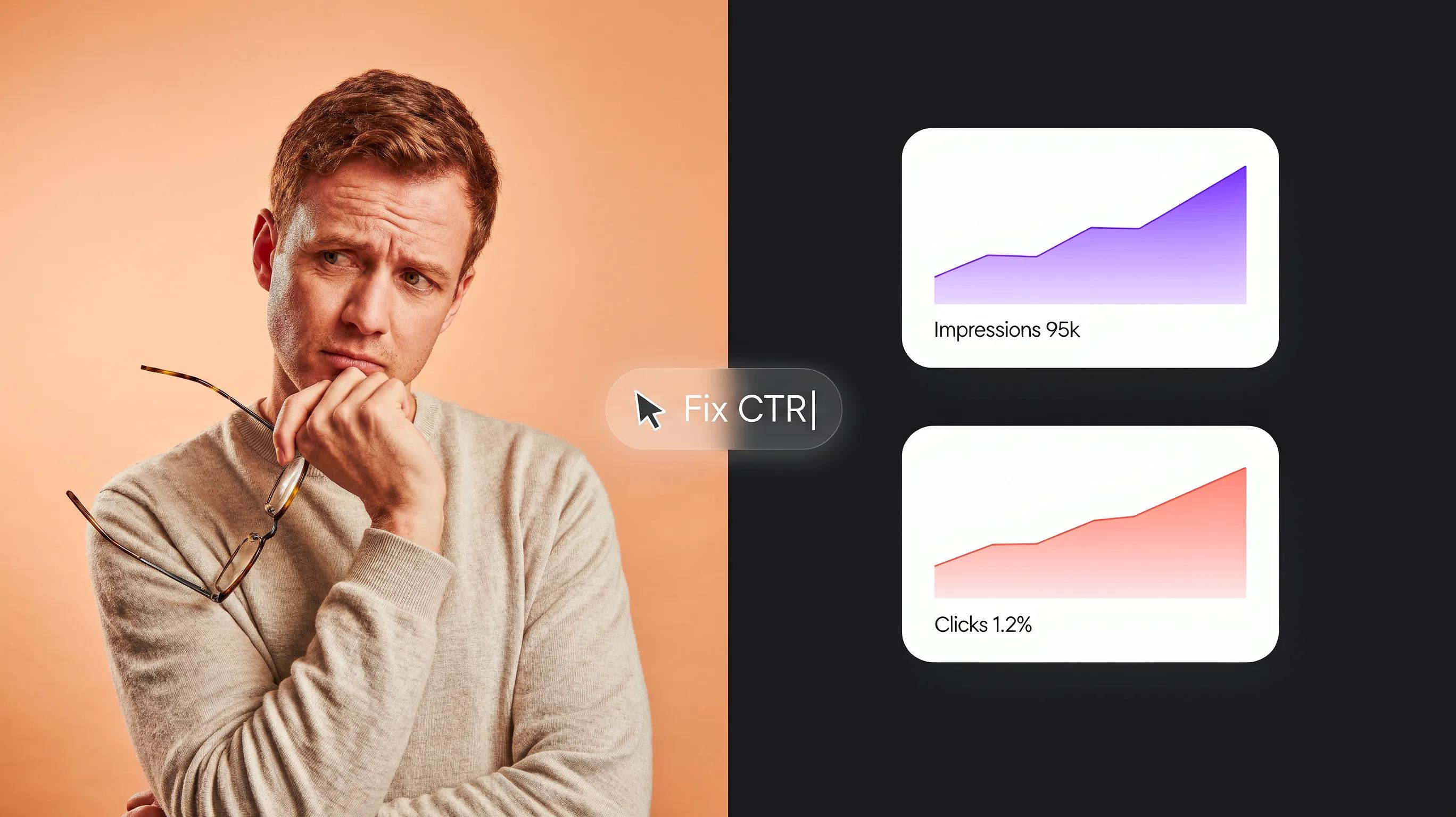
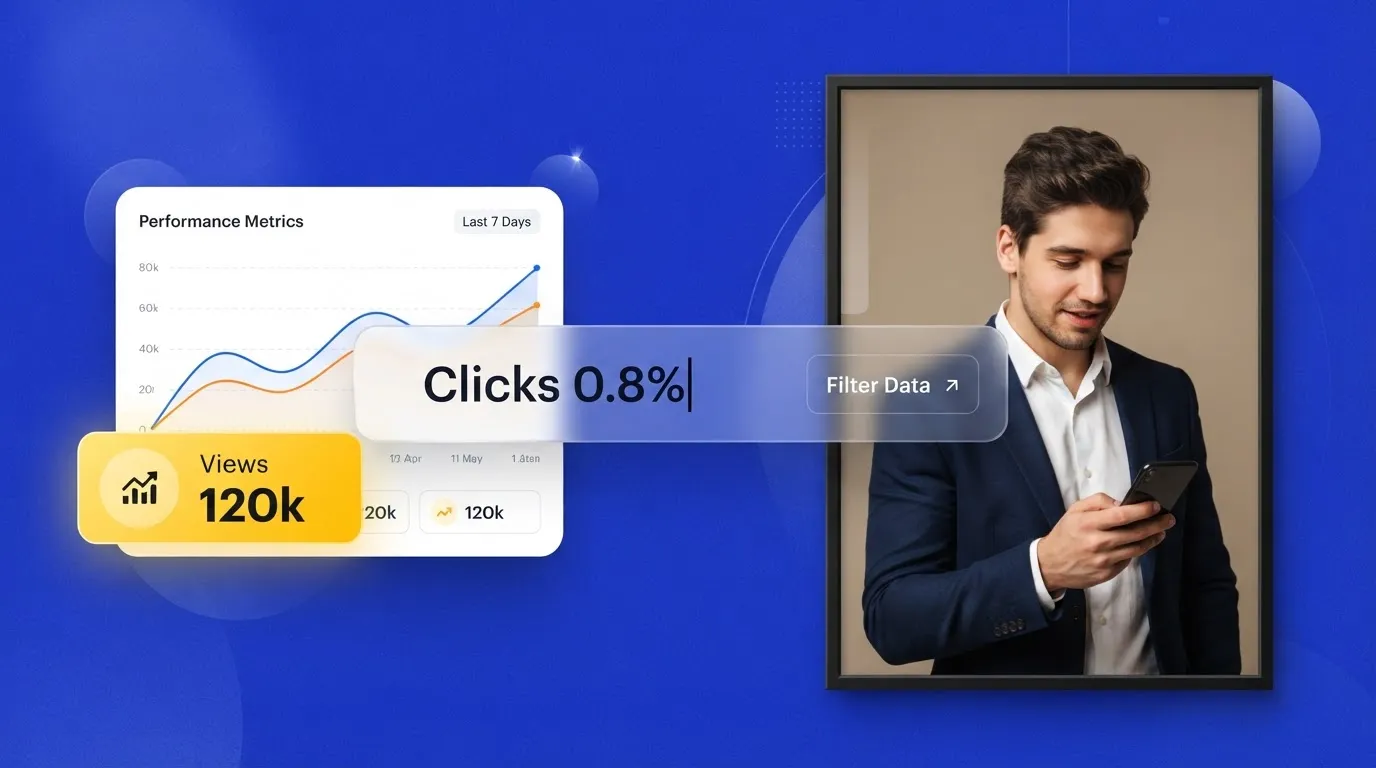
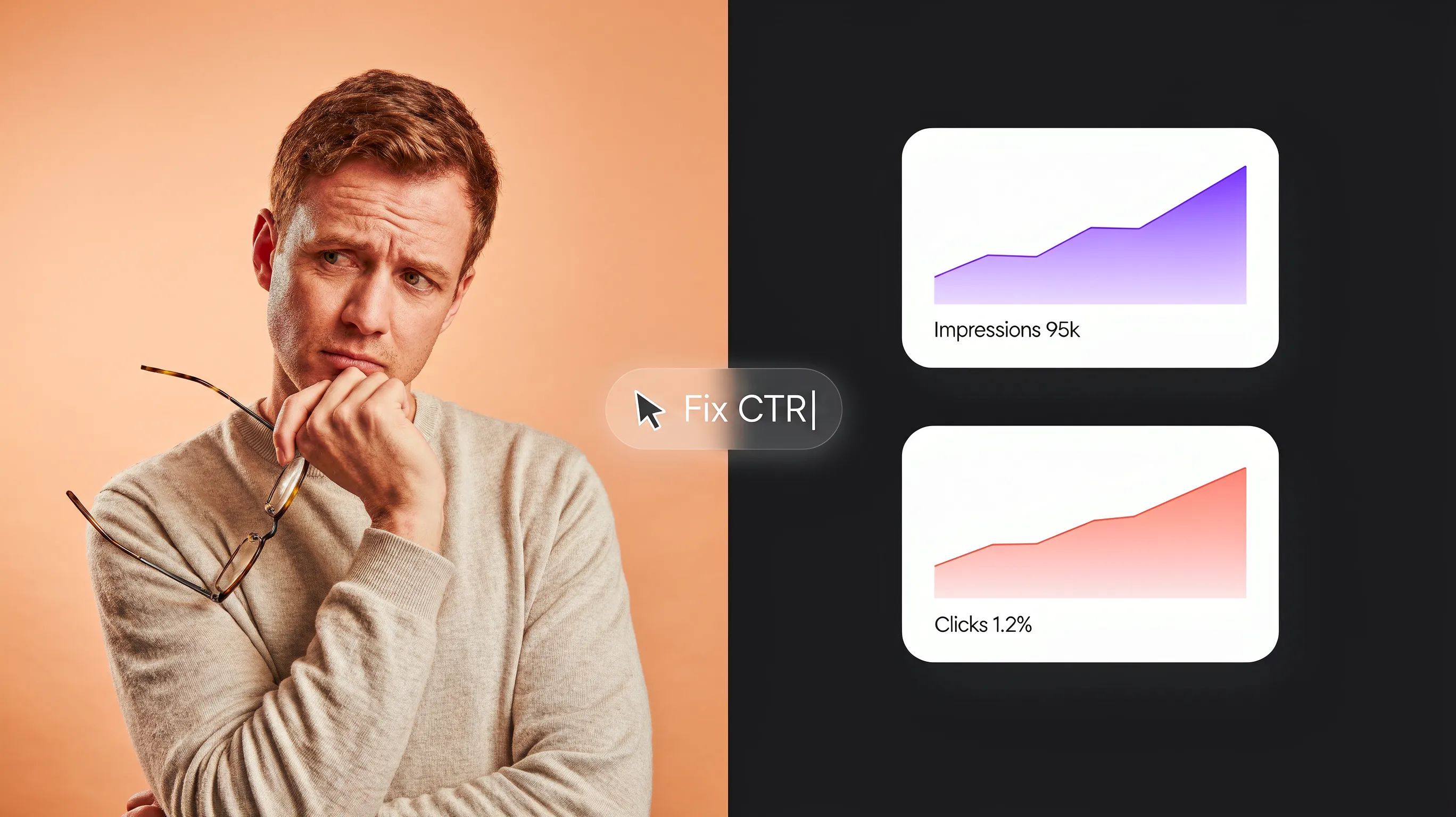
You log into your search dashboard, filter by your best service pages, and stare at a frustrating paradox:
Here is the plain truth:
Ranking on page one puts you in front of the buyer, but your search snippet closes the deal. When your meta description reads like a robotic summary or cuts off mid-sentence, searchers assume your page offers nothing distinct—and they tap your competitor's link instead.
Learning how to write SEO meta descriptions that connect with human motivation turns passive search impressions into high-intent visitors.
Crafting persuasive snippets across dozens of pages used to mean staring at a blank screen or hiring expensive copywriters. Modern platform design removes that bottleneck entirely.
We built BoltWeb so anyone can easily launch their product into the world and reach the exact people searching for it. Inside your BoltWeb workspace, you can generate high-converting SEO meta descriptions tailored to sell your product, capture search intent, and bring qualified traffic straight to your storefront in seconds.
Here is your complete field manual to writing search snippets that command attention, build instant trust, and turn search visibility into daily clicks.
1. How to Write SEO Meta Descriptions That Make People Click
Let's clear up a common misunderstanding right from the start:
Your meta description is not a direct Google ranking factor, nor is it simply a dry summary of what sits on your webpage. It is a tiny, 150-character sales pitch competing against nine other links on a crowded screen.
While Google sometimes rewrites snippets dynamically to match unusual search queries (as explained in Google Search Central: Control your snippets in search results), writing a sharp, deliberate description gives search engines your strongest conversion copy to display. Mastering how to write SEO meta descriptions produces SEO meta descriptions that get clicks by giving readers an unmistakable reason to choose compelling meta descriptions over generic results (also see why your pages earn impressions but lose clicks to competing listings).
2. Understand Search Intent Before Writing Your Meta Description
Think of every search query as a person trying to finish a specific job. If your snippet promises a quick pricing sheet while your page delivers a 3,000-word academic history lesson, visitors will hit the back button immediately.
Match your snippet angle to the searcher's exact motivation:
| Searcher Motivation | What Your Description Must Promise |
|---|---|
| Informational ("how to...") | Fast, step-by-step clarity & answers |
| Commercial ("best X vs Y") | Honest comparisons, pros & cons, specs |
| Transactional ("buy / hire") | Pricing transparency, speed, guarantees |
| Navigational ("BoltWeb...") | Direct access to the exact tool or page |
Aligning your copy with search intent meta descriptions follows core SEO meta description best practices, helping you write meta descriptions that satisfy the visitor before they even land on your site (learn how to choose keywords that reveal exactly what each searcher expects to find).
3. Use the Primary Keyword and Supporting Keywords Naturally
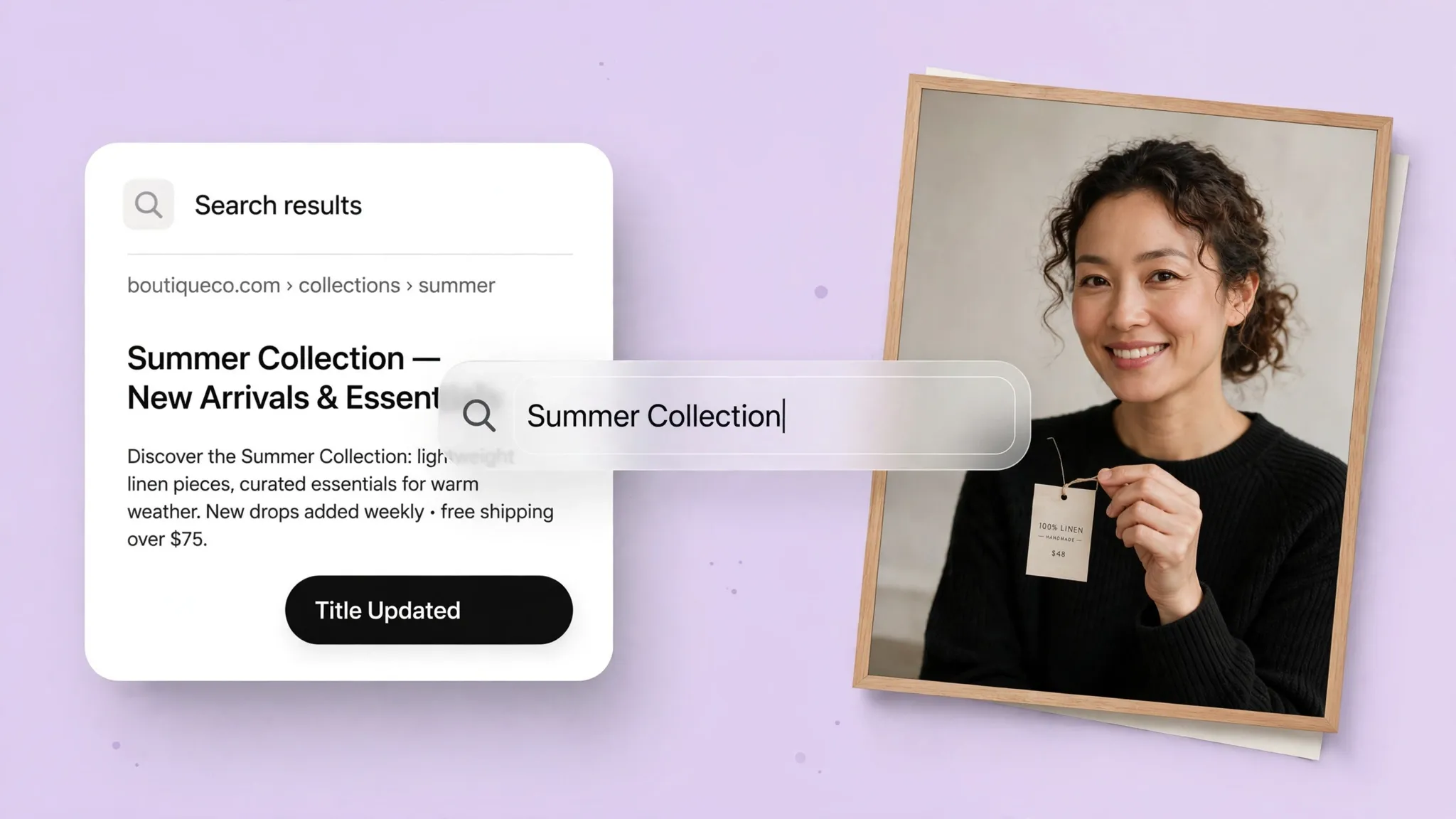
When a searcher types a phrase into Google and sees those exact words mirrored back inside your description, their brain registers immediate relevance. Google even bolds matching terms in the snippet, drawing the human eye straight to your result.
However, cramming four variations of the same phrase into two sentences makes your brand look desperate. Place your primary phrase naturally near the opening where it fits the human sentence, then weave in one supporting concept drawn directly from your page's subheadings. Smart meta description keywords reinforce SEO keyword optimization cleanly, turning keyword placement in meta descriptions into a natural signal of relevance rather than spam (see how to write SEO-friendly website content that mirrors the way real buyers search).
4. Write a Powerful Opening Hook That Earns Attention
Look at the search results for almost any service industry and you will see a wall of identical, lifeless openings: "We are a premier provider of..." or "Welcome to our official website where we offer..."
Searchers tune out self-centered introductions instantly. Open instead with the exact problem keeping them awake, a surprising insight, or the immediate outcome they want to achieve:
Crafting compelling meta descriptions with sharp meta description hooks elevates your SEO copywriting so readers feel compelled to finish reading your snippet (also see how to write a call to action that turns casual readers into motivated clickers).
5. Use Power Words and Emotional Triggers Without Sounding Like Clickbait
There is a massive difference between persuasive language and cheap clickbait. Clickbait exaggerates what a page delivers ("You won't believe this one weird trick!"), whereas persuasive wording uses vivid verbs to clarify real value.
Words like uncover, avoid, simplify, compare, protect, and pinpoint tap into genuine human motivations—relief from frustration, confidence in a decision, or protection against costly mistakes. Combining power words for SEO meta descriptions with grounded persuasive meta descriptions sharpens your SEO copywriting techniques without ever overpromising what sits behind the click.
6. Apply Persuasion Principles to Make Your Meta Descriptions More Convincing
When searchers scan unfamiliar websites, their biggest hesitation is uncertainty: "Will clicking this link waste my time?"
You can dissolve that hesitation in seconds by embedding concrete credibility signals directly into your snippet:
Instead of claiming you offer "great advice," offer a "free 12-point inspection checklist" (giving value upfront). Instead of saying you are "trusted by many," cite verifiable specifics like "used by 4,200+ independent contractors" or "backed by a 30-day money-back guarantee." Using persuasive meta descriptions grounded in meta description copywriting and proven meta description writing techniques builds instant trust before the page even loads (see how to build trust on a business website before the visitor even lands).
7. Show a Specific Benefit Instead of Making Generic Promises
Phrases like "Learn more on our website" or "Contact us today for solutions" are wasted characters. They describe an action without explaining what the visitor gets in return.
Replace vague corporate filler with one crystal-clear deliverable:
| Generic Phrase (Skip This) | Specific Outcome (Use This) |
|---|---|
| "Read our guide to learn more about mortgage rates." | "Calculate your exact monthly loan payment in 30 seconds—no email needed." |
Focusing on one unmistakable outcome helps you write compelling meta descriptions, model strong meta description examples, and produce benefit-driven SEO copy that reduces decision friction (also see how to improve your website conversion rate once the click actually arrives).
Turn Search Visibility Into Paying Customers with BoltWeb
Launch Product Pages Designed to Win the Click and Close the Sale
Stop losing qualified search traffic to generic snippets, slow page templates, and confusing layouts. Launch your storefront on BoltWeb, attach your custom domain, and deploy search-ready pages crafted to attract your ideal buyers and convert clicks into revenue.
Get Started On Your Journey →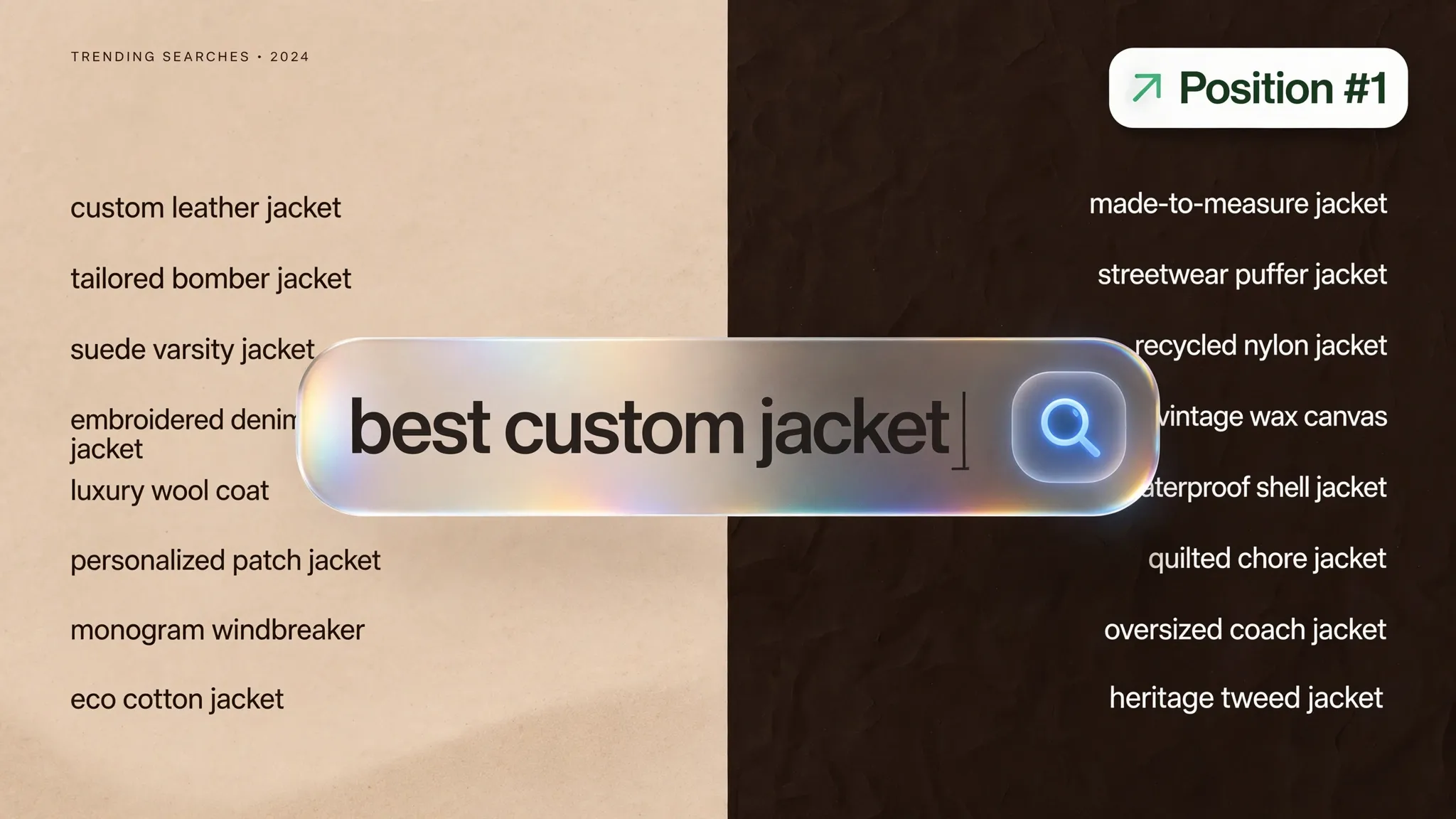
8. Write Meta Descriptions That Match Your SEO Title Tags
Think of your title tag and meta description as a two-part conversation rather than a repeated echo. Your title tag grabs attention with the core promise; your meta description extends that promise by answering the next logical question in the buyer's mind.
If your title tag reads "Emergency Plumbing Repair in Denver | 60-Minute Arrival", do not repeat "We offer 60-minute emergency plumbing repair in Denver" below it. Use your description to remove objections: "Burst pipe or overflowing drain? Licensed Denver plumbers arrive in under an hour with upfront flat-rate pricing and zero overtime fees." Coordinating your SEO title and meta description elevates meta description optimization and strengthens overall search snippet optimization (learn how to improve organic CTR across your full search snippet, title and description together).
9. Optimize Meta Description Length Without Cutting Out the Persuasive Message
Google does not enforce a strict universal character limit; instead, it truncates snippets based on available pixel width across desktop and mobile screens. When your main benefit sits at the very end of a 190-character paragraph, smartphone users never see it.
Front-load your strongest hook and core benefit within the first 120 characters so mobile browsers display your complete value proposition cleanly, while keeping total length between 145 and 155 characters for desktop readers. Respecting meta description length and ideal meta description length guidelines prevents awkward cutoffs around the SEO meta description character limit.
10. Learn from SEO Meta Description Examples: Before and After
Seeing real transformations makes writing persuasive snippets dramatically easier across different industries:
| Page Type | Before (Generic & Passive) | After (Specific & Action-Driven) |
|---|---|---|
| Local Service | "Smith Accounting offers tax preparation and bookkeeping services for small businesses." | "Overpaying on quarterly small business taxes? Compare flat-rate bookkeeping packages and book a free 15-minute tax review today." |
| Product Page | "Buy ergonomic office chairs online. Available in black and grey with fast shipping." | "Eliminate lower back pain during 8-hour workdays. Test our adjustable mesh ergonomic chair risk-free for 60 days with free returns." |
| Comparison Guide | "Read our comparison of website builders to see which platform is right for your company." | "Compare pricing, load speeds, and built-in SEO tools across the top 7 website builders so you can launch your storefront without coding." |
Studying SEO meta description examples and good meta description examples sharpens your meta description writing examples by showing how specificity, reader motivation, and clear calls to action work together (also see what makes a good homepage once your winning snippet finally earns the click).
11. Find and Rewrite Weak Meta Descriptions Across Your Website
Do not waste entire weekends rewriting descriptions on low-traffic archive pages. Use a site crawler like Screaming Frog SEO Spider alongside your search performance reports to isolate pages where better snippet copy will actually move revenue.
Prioritize pages that show high search impressions paired with low click-through rates, as well as core commercial service or product pages suffering from missing meta descriptions or duplicate meta descriptions. Running a targeted meta description audit helps you optimize meta descriptions where small copy upgrades yield immediate traffic gains (see how to identify your best performing website pages so you rewrite snippets where the revenue impact is highest).
12. Test Meta Description Changes and Measure Organic CTR
Great copywriting relies on real evidence rather than guesswork. Before updating a snippet, record its baseline clicks, impressions, average position, and click-through rate over the previous 28 days inside your search reports (review official reporting metrics in Google Search Console: Performance report and Google Analytics Help).
After publishing your updated description, give search crawlers two to three weeks to recrawl the page and update the live snippet, then compare an equivalent date window while checking whether rankings or seasonal demand shifted. Testing systematically helps you improve meta description CTR, test meta descriptions reliably, measure organic CTR, and track Google Search Console CTR improvements over time (also see using Google Search Console reports to surface hidden CTR problems and growth opportunities).
Launch Your Product Into the World with BoltWeb
Writing persuasive search snippets, matching buyer intent, and optimizing every landing page shouldn't require a marketing degree or endless technical setup.
We created BoltWeb so anyone can easily launch their product, craft compelling SEO meta descriptions that sell, and connect directly with the right audience searching for their solution. Deploy your next high-converting storefront on BoltWeb, connect your custom domain, and create a business website engineered to turn search impressions into real customers.
Get Started On Your Journey →Frequently Asked Questions: Write SEO Meta Descriptions That Get Clicks
1. My pages appear in Google search results thousands of times every single month, so why are people scrolling right past my listing without clicking?
Here is the plain truth: Ranking on page one puts you in front of the buyer, but your search snippet closes the deal. When your meta description reads like a robotic summary or cuts off mid-sentence, searchers assume your page offers nothing distinct—and they tap your competitor's link instead. Crafting persuasive search snippets connects your page directly with human motivation, turning passive search impressions into high-intent visitors. When you build your digital storefront on BoltWeb, capturing search intent becomes effortless. As an all-in-one business website builder, BoltWeb allows you to generate high-converting SEO meta descriptions tailored to sell your product, capture buyer intent, and bring qualified traffic straight to your storefront in seconds without manual copywriting stress.
2. What do meta descriptions actually do, and how much influence do they hold over organic click-through rates?
Your meta description is not a direct Google ranking factor, nor is it simply a dry summary of what sits on your webpage. It functions as a tiny, 150-character sales pitch competing against nine other links on a crowded search screen. While Google sometimes rewrites snippets dynamically to match unusual search queries, writing a sharp, deliberate description gives search engines your strongest conversion copy to display, giving readers an unmistakable reason to choose your result over generic alternatives (also see the real reasons your listings earn impressions but lose the click).
3. How do I know what a searcher expects to see on my page before they decide to click my link?
Think of every search query as a person trying to finish a specific job. If your snippet promises a quick pricing sheet while your page delivers a 3,000-word academic history lesson, visitors will hit the back button immediately. Aligning your snippet angle with the searcher's exact motivation—whether informational, commercial, transactional, or navigational—satisfies the visitor before they even land on your site (learn how to choose keywords that reveal exactly what each searcher expects to find).
4. Should I put my primary target keyword right at the beginning, and how many keywords should I include in my snippet?
When a searcher types a phrase into Google and sees those exact words mirrored back inside your description, their brain registers immediate relevance. Google even bolds matching terms in the snippet, drawing the human eye straight to your result. However, cramming four variations of the same phrase into two sentences makes your brand look desperate. Place your primary phrase naturally near the opening where it fits human phrasing, then weave in one supporting concept drawn directly from your page's subheadings (also see how to write SEO-friendly website content that mirrors the way real buyers actually search).
5. How do I make my search description stand out when every competitor in my industry uses similar wording?
Look at the search results for almost any service industry and you will see a wall of identical, lifeless openings proclaiming corporate excellence. Searchers tune out self-centered introductions instantly. Open instead with the exact problem keeping them awake at night, a surprising insight, or the immediate outcome they want to achieve, creating an instant information gap that makes your snippet worth reading (also see how to write a call to action that turns casual readers into motivated clickers).
6. Which power words make searchers more interested in my business without making my brand sound desperate or spammy?
There is a massive difference between persuasive language and cheap clickbait. Clickbait exaggerates what a page delivers, whereas persuasive wording uses vivid verbs to clarify real value. Words like uncover, avoid, simplify, compare, protect, and pinpoint tap into genuine human motivations—relief from frustration, confidence in a decision, or protection against costly mistakes—without ever overpromising what sits behind the link.
7. How can I convince someone to click my search result without making unrealistic guarantees or false promises?
When searchers scan unfamiliar websites, their biggest hesitation is uncertainty over whether clicking the link will waste their time. You can dissolve that hesitation in seconds by embedding concrete credibility signals directly into your snippet, offering a specific deliverable, verifiable proof, or a zero-risk next step that builds instant trust before the page even loads (also see how to build trust on a business website before the visitor even lands).
8. My description sounds professional, but it doesn't give anyone a real reason to click—how do I fix that?
Phrases like learn more on our website or contact us today for solutions are wasted characters because they describe an action without explaining what the visitor gets in return. Replacing vague corporate filler with one crystal-clear deliverable—such as calculating an exact loan payment in thirty seconds or downloading a free inspection checklist—reduces decision friction immediately (also see how to improve your website conversion rate once the click finally arrives).
9. How should my SEO title tag and meta description work together to communicate more value in limited space?
Think of your title tag and meta description as a two-part conversation rather than a repeated echo. Your title tag grabs attention with the core promise, while your meta description extends that promise by answering the next logical question in the buyer's mind or removing lingering objections, creating a coordinated search snippet that commands attention (also see how to improve organic CTR across your full search snippet, title and description together).
10. How many characters should my meta description be, and what happens if Google cuts off my text?
Google does not enforce a strict universal character limit; instead, it truncates snippets based on available pixel width across desktop and mobile screens. When your main benefit sits at the end of a long paragraph, smartphone users never see it. Front-loading your strongest hook and core benefit within the first 120 characters keeps your complete value proposition visible on mobile devices.
11. My website has hundreds of pages, so how do I know which meta descriptions deserve rewriting first?
Do not waste entire weekends rewriting descriptions on low-traffic archive pages. Use a site crawler alongside your search performance reports to isolate pages where better snippet copy will actually move revenue, prioritizing pages that show high search impressions paired with low click-through rates, as well as core commercial service pages suffering from missing or duplicate descriptions (also see how to identify your best performing website pages so you rewrite snippets where the revenue impact is highest).
12. How do I measure whether my rewritten meta descriptions actually increased my organic click-through rates?
Great copywriting relies on real evidence rather than guesswork. Before updating a snippet, record its baseline clicks, impressions, average position, and click-through rate over the previous 28 days inside your search reports. Give search crawlers two to three weeks to recrawl the page and update the live snippet, then compare an equivalent date window to track genuine performance gains (also see using Google Search Console to surface hidden CTR problems and growth opportunities).