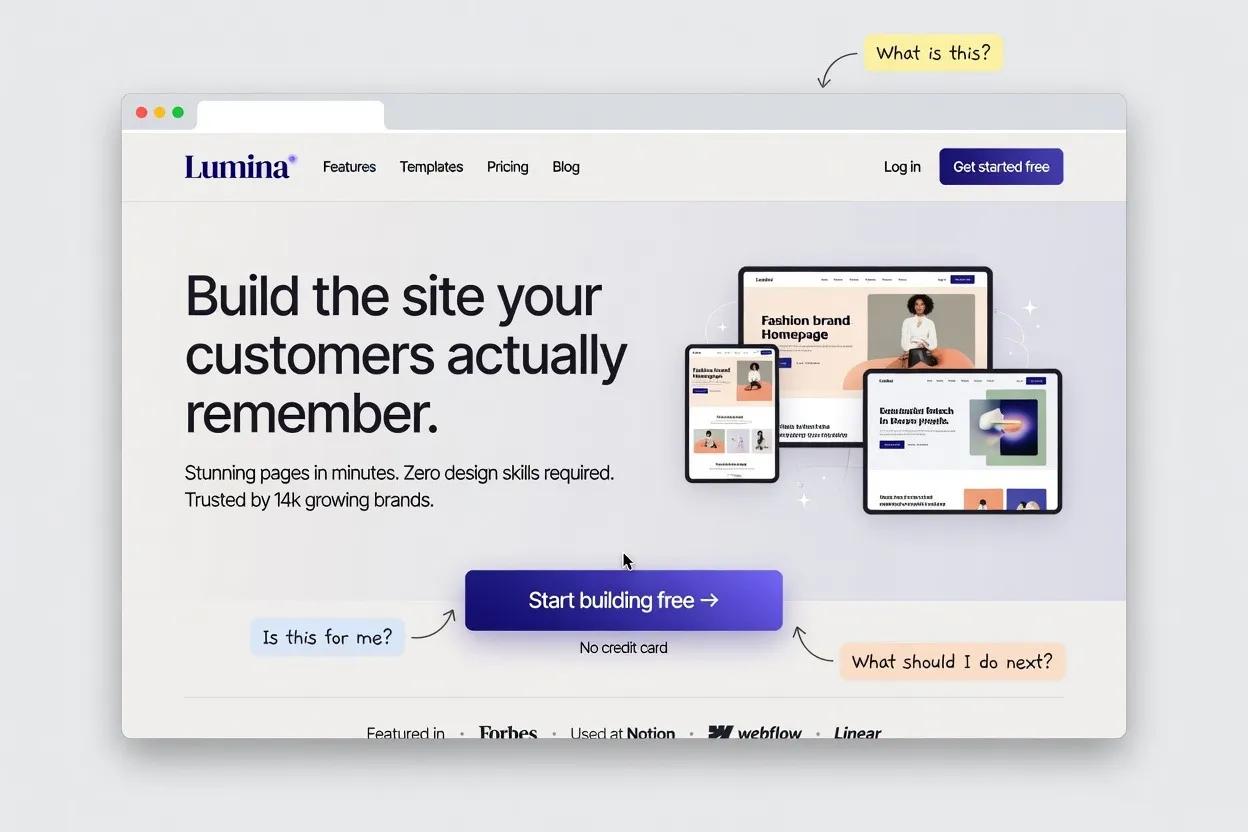

Here is the bottom line: your website is the face of your business, and every single visitor judges your credibility in seconds. Outdated colors, sluggish loading speeds, broken layouts, and legacy code don't just look bad—they active drive prospective clients straight into the hands of your competitors. When you notice your rivals pulling ahead, sitting on an outdated digital presence is a risk you cannot afford. You must replace your old site with a fresh, modern, search-optimized engine that demands attention and converts browsers into buyers.
Updating an existing site works when you only need to fix one page, replace a few images, or tweak a paragraph of copy. But when the entire architecture, design, and user experience are outdated, a full replacement is required. Below is a 12-step master framework detailing how to replace an old business website while protecting your domain authority, search rankings, traffic, and existing customer leads.

How to Replace an Old Business Website Without Losing What Already Works
The fear of losing hard-earned Google rankings, client data, or domain authority stops many business owners from making a necessary upgrade.
Learning how to replace an old business website requires a clear, step-by-step migration plan rather than a blind rebuild. By auditing your existing site assets before touching a line of code, you can safely replace an old website while preserving what already generates revenue. Executing a calculated strategy to replace a business website guarantees a smooth transition without dropping your search rank or losing hard-won brand momentum.
Decide What Needs to Change Before You Rebuild
Before dismantling your online presence, figure out whether you need a quick patch or a total overhaul.
Update your existing website when: Only one page has outdated information, a few images need replacing, or some copy needs minor polishing.
Execute a complete website replacement when: Your layout looks like a relic from ten years ago, your competitor's site is outranking you, your pages take forever to load on mobile devices, or your current platform stops you from adding modern lead capture tools.
Replacing your outdated website with a modern build eliminates technical debt and repositions your brand as an industry leader. If slow load times are the primary issue, you might first want to explore why your website is slow before deciding on a total rebuild.
Audit Your Existing Website Before You Take It Down
Never delete an old site without completing a thorough website content audit. Deleting pages indiscriminately is the fastest way to destroy your organic traffic.
Gather your critical data using a structured audit routine:
| Audit Focus | What to Look For | Action Item |
|---|---|---|
| Organic Traffic | Top-performing URLs in Google Analytics | Save these exact URL paths for 1:1 mapping. |
| Inbound Backlinks | Pages with high-authority external links | Set up permanent redirects before going live. |
| High-Converting Copy | Headlines and offers that consistently bring in leads | Reposition and refine these assets on the new layout. |
A comprehensive old website audit provides a clear blueprint of what to save, protecting your traffic through the website migration.

Keep Your Domain and Important Business Information
Your website domain carries years of trust, brand equity, and search engine authority. You do not need to buy a new domain when replacing your site; in fact, doing so wipes out your digital footprint.
Protect your core business identity during the switch:
- Retain your existing custom domain name to keep your authority intact.
- Maintain consistent NAP data (Name, Address, Phone number) across all pages.
- Preserve your primary brand colors and core brand messaging for instant recognition.
Securing your business domain ensures search engines and existing clients recognize your updated business website without interruption. It is crucial to maintain brand trustworthiness throughout the transition.

Decide Which Pages to Keep, Rewrite, Combine, or Remove
Over time, websites collect digital clutter—outdated blog posts, duplicate service pages, and discontinued offers. Carrying obsolete pages over to a new build dilutes your search authority.
Organize your website structure using four clear categories:
- Keep: High-performing service pages, core landing pages, and key case studies.
- Rewrite: Outdated pages that cover relevant topics but lack modern copywriting or clear CTAs.
- Combine: Thin, duplicate pages that can be merged into one authoritative guide.
- Remove: Discontinued services or obsolete announcements (and redirect their URLs!).
Streamlining your content makes your new site easier for search engines to crawl and far simpler for prospective clients to navigate. Learn more about how to structure a website to maximize this cleanup process.
Plan the New Website Around What Customers Need
A visual makeover alone won't double your sales. To maximize conversions, your new layout must be built directly around user intent and modern buyer expectations.
Design a customer-focused website by focusing on key conversion principles:
- State your primary value proposition directly in the hero section.
- Address top customer objections using scannable FAQ accordions.
- Place clear, high-contrast calls to action above the fold and after major benefit breakdowns.
Focusing on thoughtful website planning ensures your updated layout turns casual visitors into paying clients.

Move Your SEO Safely to the New Website
This is where most business owners panic. The secret to a successful website SEO migration lies in structured, step-by-step technical execution.
Follow these essential rules for an SEO website migration:
- Map Your URLs: Match every old URL to its corresponding new page path.
- Implement 301 Redirects: Point old URLs to new page locations using permanent website redirects.
- Preserve On-Page Metadata: Carry over high-ranking title tags, meta descriptions, and image alt text.
- Rebuild Internal Linking: Ensure key pages link to one another using descriptive anchor text.
Executing these steps preserves your organic rankings and keeps your search visibility strong. Implementing a clean SEO-friendly website structure is vital during this phase.

Build and Test the New Website Before Switching Over
Never launch a new site without testing its core features behind the scenes. Broken contact forms or misaligned mobile buttons will cost you sales immediately.
Work through a strict pre-launch website migration checklist:
- ✔ Test all contact forms, quote intake steps, and calendar booking tools.
- ✔ Verify mobile responsiveness across smartphones and tablets.
- ✔ Check page speeds using Google PageSpeed Insights.
- ✔ Confirm analytics tracking scripts and goal conversions are active.
Systematic website testing ensures a flawless user experience the moment you flip the switch. Following a comprehensive website launch checklist prevents costly post-migration errors.
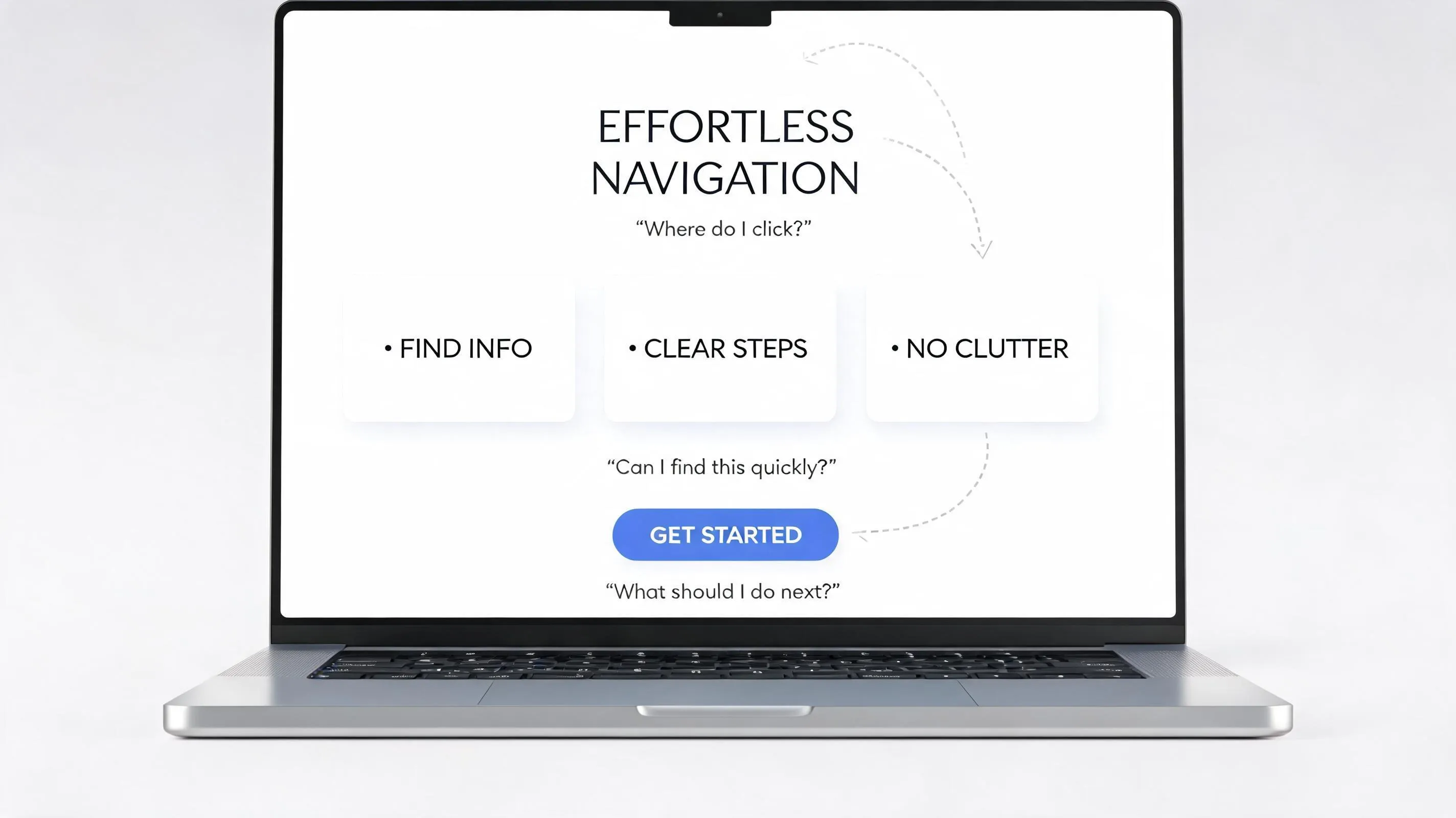
Move Your Domain to the New Website
Once your new site is tested and approved, it's time to connect your custom domain to your new platform.
Connect your domain smoothly with minimal downtime:
- Log into your domain registrar (such as GoDaddy, Namecheap, or Cloudflare).
- Update your DNS settings (A Records and CNAME records) to point to your new site's servers.
- Allow DNS propagation to complete (which usually takes anywhere from a few minutes to a few hours).
Following these steps to connect a domain ensures a smooth transition with zero interruption for your visitors. If you are changing platforms, you may also need to safely migrate your website to a new host.
Check Google, Analytics, Forms, and Business Listings After the Switch
Your work isn't done the moment your new site goes live. Post-launch verification guarantees that search engines and analytics tools are tracking your new build correctly.
Complete these essential post-launch checks:
- Google Search Console: Submit your new XML sitemap to help Google index your updated pages quickly.
- Website Analytics: Confirm real-time user tracking is firing properly in Google Analytics.
- Business Listings: Update your website URL on your Google Business Profile, social channels, and directory listings.
Verifying your tracking setups confirms that your site is indexed, visible, and measuring conversions accurately. It's crucial to verify Google indexing right away.

Monitor the Old Website's URLs and the New Site After Launch
Even with careful planning, minor migration issues can pop up. Catching broken links or index errors early prevents long-term traffic drops.
Set up ongoing website migration monitoring:
- Track crawl errors and 404 pages using Search Console.
- Fix broken redirects immediately to prevent lost link equity.
- Monitor organic search traffic weekly to catch and correct any ranking fluctuations.
Active SEO monitoring keeps your search visibility stable while your new site gains authority. If traffic drops unexpectedly, use our guide to troubleshoot search visibility issues.

Replace Your Old Business Website Without Starting From a Technical Mess
Replacing an outdated site used to mean hiring expensive agencies, wrestling with brittle code, and spending months stuck in development limbo. Even worse, over 90% of traditional website builders leave you trapped with rigid templates that slow down your pages, lack built-in SEO tools, and quickly fall behind modern web standards.
You don't need to write code, master complex design tools, or start from scratch to upgrade your digital presence. Modern artificial intelligence platforms make updating and replacing your site effortless.
Replace and Upgrade Your Site Effortlessly with BoltWeb
BoltWeb simplifies the entire process of upgrading your digital presence. Functioning as an advanced AI website builder and small business website builder, BoltWeb lets you replace outdated sites cleanly—without losing rankings, traffic, or hard-earned brand authority.
Why Growing Businesses Rely on BoltWeb for Website Replacement:
Seamless Site Replacement & Upgrades
If your existing website is already on BoltWeb, replacing it is as simple as opening your workspace editor, describing your new vision or business goals, and letting AI update your design and copy instantly.
AI-Powered Site Generation
Building a fresh site from scratch? Simply input your business details, target audience, and required service pages. BoltWeb’s automated engine builds a complete, search-optimized 9 to 16-page site designed to help you dominate your market.
Zero Technical Friction
Forget about managing complex code or outdated templates. BoltWeb automatically updates its underlying performance frameworks, mobile responsiveness, and technical SEO structure behind the scenes.
Built-In Conversions & Integrations
Connect custom domains, payment gateways (Stripe, PayPal, Paddle), and lead capture tools effortlessly to make your new site a 24/7 lead generation engine. You can easily add high-converting lead forms instantly.

FAQs: How to Replace an Old Business Website
How do I replace an old business website without losing my existing Google rankings or traffic?
Execute a strict 301 redirect map prior to launch. Match every old URL path directly to its corresponding new page location, retain high-performing page titles and metadata, and preserve your existing custom domain name to protect accrued domain authority.
Should I update my existing website or do a complete website replacement?
Update your existing site if you only need minor copy edits, new images, or single-page tweaks. Replace the website entirely if your current platform is slow, hard to navigate on mobile, built on outdated legacy templates, or failing to generate qualified client inquiries.
What should I audit on my old website before taking it down?
Perform a comprehensive content audit before building your new site:
- Analytics Data: Identify top organic traffic landing pages and high-converting forms.
- Backlink Targets: Catalog pages with strong external authority links.
- Core Brand Assets: Save client testimonials, high-performing case studies, and primary offer copy.
How do I keep my custom domain when switching to a new site platform?
Keep your existing domain. Buying a new domain resets your search engine authority to zero. When launching your new site, log into your domain registrar (such as GoDaddy or Cloudflare) and point your DNS records (A Record and CNAME) to your new platform's hosting server.
How do I decide which old web pages to keep, rewrite, or delete?
Categorize old pages into four actionable buckets:
- Keep: High-performing service pages and core case studies.
- Rewrite: Outdated service pages needing fresh copy, modern visuals, and sharp CTAs.
- Combine: Thin or overlapping content merged into comprehensive authority guides.
- Delete & Redirect: Discontinued services or obsolete announcements (always redirected via 301).
How do I ensure the new website converts visitors better than the old one?
Build your new layout around clear customer intent. Place a strong outcome-based value proposition above the fold in the hero section, display verified customer reviews adjacent to primary offers, and shorten contact forms to 3–4 essential fields to lower intake friction.
How do I structure 301 redirects during a website migration?
Create a 1:1 URL mapping spreadsheet. Direct every old page URL to the exact matching page on your new site (e.g., olddomain.com/our-services → newdomain.com/services). Avoid sending all old URLs to the homepage, as search engines view bulk homepage redirects as soft 404 errors.
What testing should I perform before replacing my old website live?
Complete a strict pre-launch verification checklist:
- Test every lead capture form, booking link, and checkout trigger.
- Inspect mobile responsiveness across actual smartphones and tablets.
- Verify page load speeds using performance diagnostic tools.
- Confirm analytics tracking codes and event goals fire accurately.
What technical steps must I take immediately after switching to the new site?
Submit your new XML sitemap directly to Google Search Console to request immediate crawl indexing. Verify that domain SSL security certificates are active and update your site URL on your Google Business Profile and official social channels.
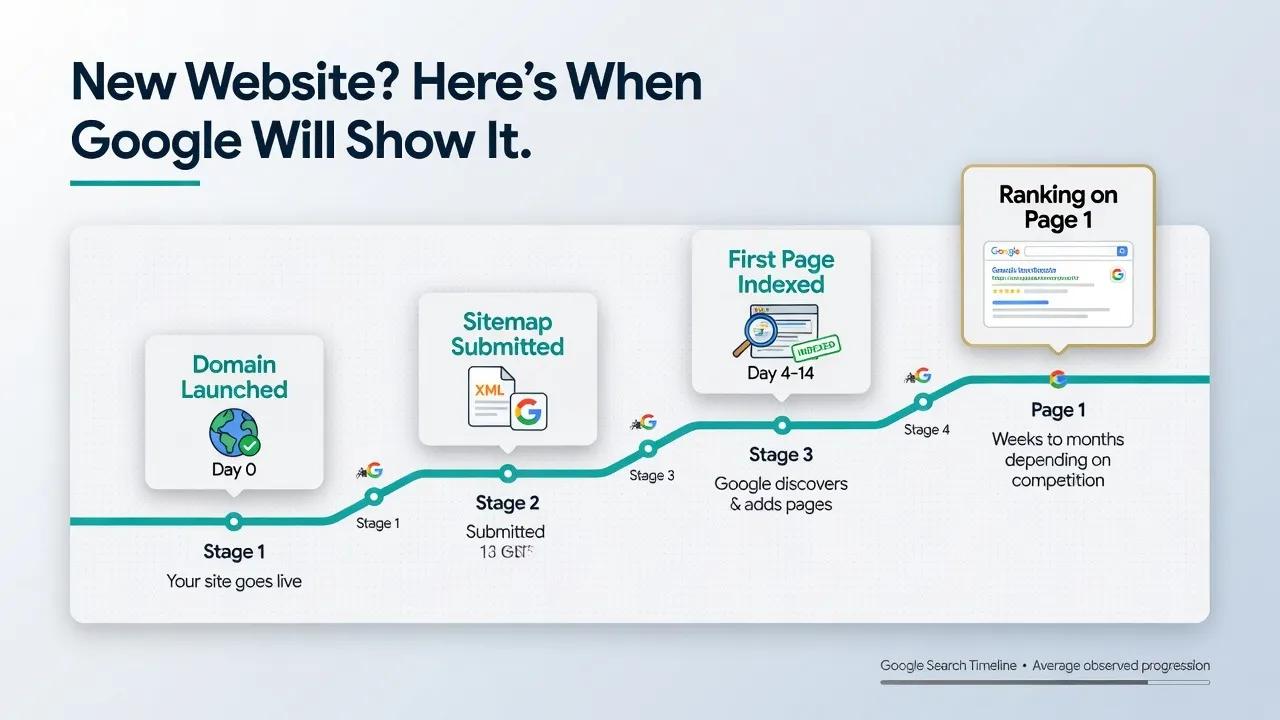
How long does it take for Google to re-index a newly replaced website?
Re-indexing typically takes anywhere from a few days to a couple of weeks depending on domain authority and crawl frequency. Accelerate this process by requesting manual URL inspection for your primary landing pages directly inside Google Search Console immediately after launch.
How do I monitor post-launch performance to catch migration errors?
Monitor Search Console crawl error logs daily for 30 days post-launch. Fix broken internal links and 404 errors immediately, track organic traffic trends in Google Analytics, and verify that lead submission conversion volume remains stable or grows.
What is the fastest way to replace an old business website without starting a complex technical project?
Rather than struggling with manual coding or legacy templates that lack built-in SEO architecture, leverage modern automated platforms engineered for speed and search performance. Platforms like BoltWeb allow non-technical business owners to input their business details and generate complete, search-optimized 9 to 16-page websites automatically—complete with clean URL structures, native conversion forms, and continuous framework updates in minutes. Explore the top website builder for small businesses to upgrade effortlessly.