Bringing visitors to your website is only the first step in online business growth. If your site lacks a clear, structured path that guides readers from curiosity to a confident buying decision, most of that hard-earned traffic will bounce off your pages without spending a dime.
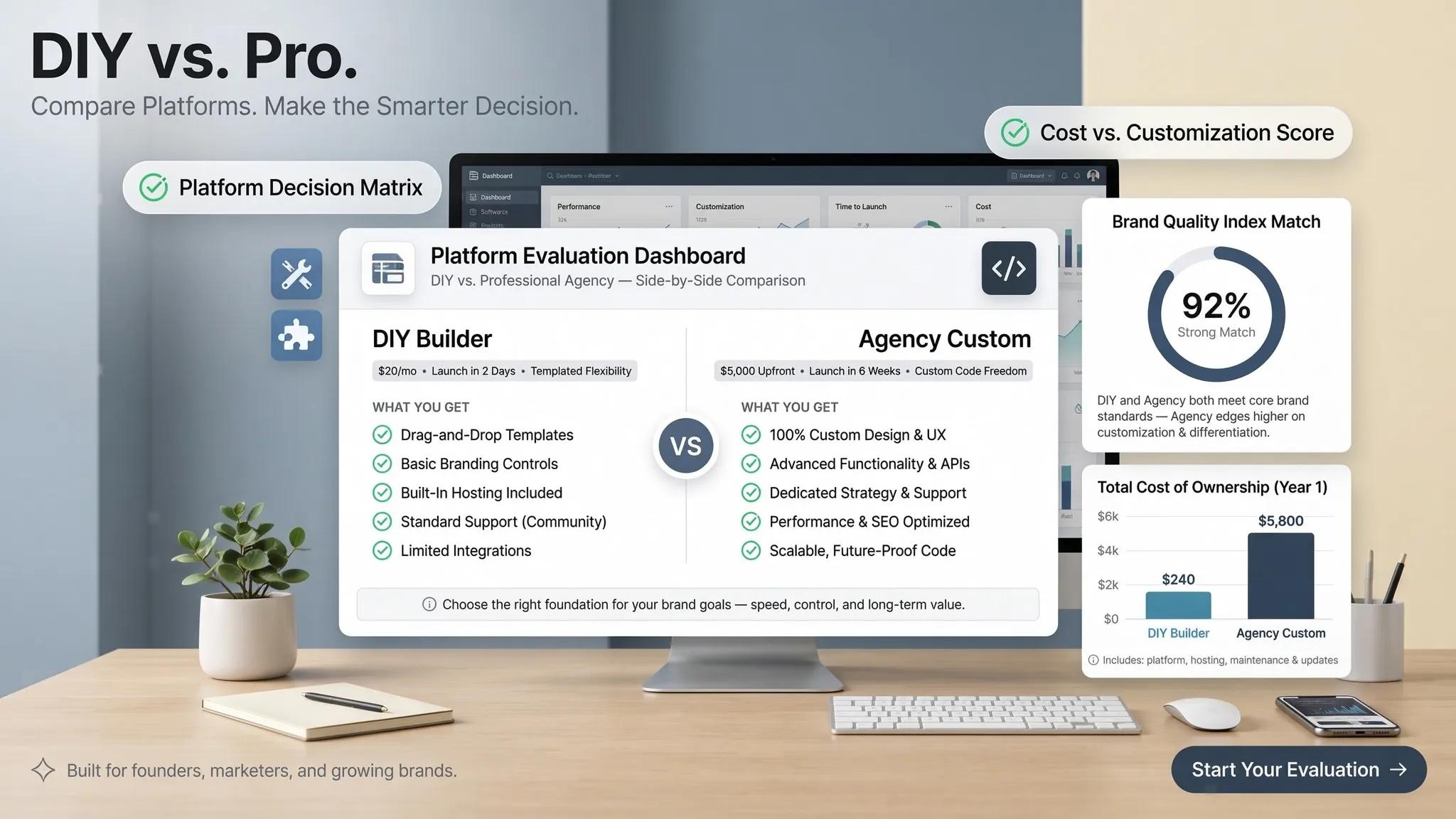
Understanding visitor pain points and categorizing your website funnel to address specific buyer stages takes continuous effort, constant editing, persuasive copywriting, design skill, and complex backend coding. For non-technical site owners, wrestling with generic website builders that trap you in rigid templates often stops your business from ranking, converting, and competing with industry rivals.
Below is a comprehensive 12-step framework detailing how to design, structure, and launch an automated website sales funnel that turns casual browsers into buyers.

How to Build a Website Sales Funnel That Moves Visitors Toward a Purchase
Here is the underlying issue: random website traffic rarely converts on a homepage that simply displays information. When prospective buyers land on your site, they arrive with varying levels of problem awareness, hesitation, and intent.
Learning how to build a website sales funnel requires mapping every step of the visitor experience. Instead of treating your site as a digital brochure, structure a dedicated sales funnel website that captures attention, educates on value, addresses objections, and presents a friction-free path to checkout. Designing a dedicated website sales funnel ensures every page works toward turning attention into real revenue.
Start With the Action You Want Customers to Take
Before designing pages or writing sales headlines, you must define the ultimate goal of your conversion path. A funnel attempting to sell high-ticket services, book phone consultations, and generate quick e-commerce purchases all on the same page will confuse visitors.
Clarify your primary funnel goal early in your sales funnel strategy:
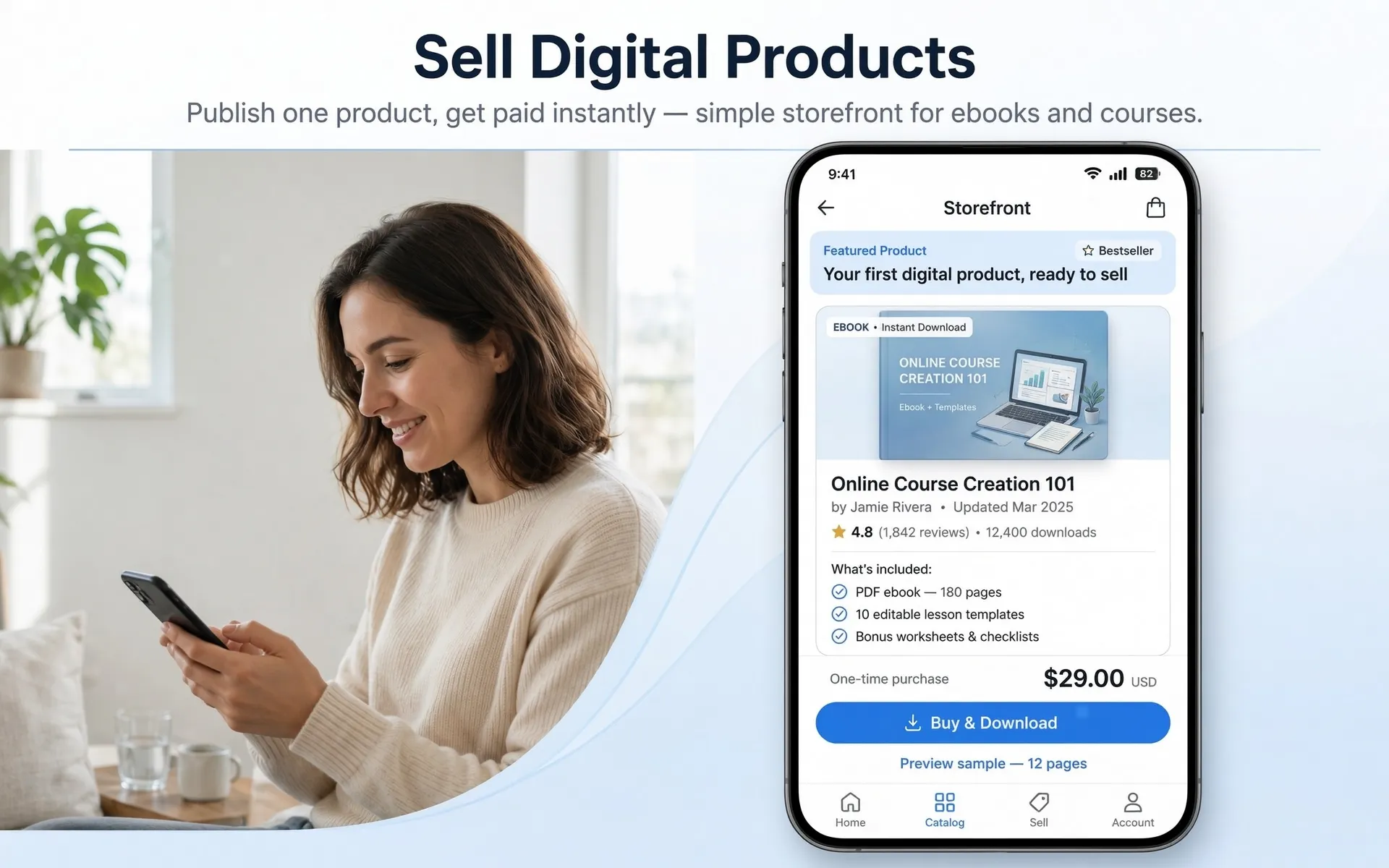
- E-Commerce & Digital Products: Direct visitors toward an immediate online checkout.
- Professional Services & B2B: Guide traffic toward an intake form or online booking calendar.
- High-Ticket Solutions: Lead prospects to request a custom quote or schedule a discovery call.
Defining this target outcome aligns your messaging, structural layout, and call-to-action blocks to maximize website conversion.

Bring the Right People Into Your Funnel
Driving thousands of unqualified visitors to your pages wastes server bandwidth and dilutes conversion metrics. A high-converting funnel relies on attracting buyers who actively experience the pain point your product solves.
Attract high-intent sales funnel traffic by aligning your traffic sources with your target audience:
- Search Engine Traffic: Target specific commercial keywords that match exact buyer intent.
- Social Media Ads: Segment campaign targeting by specific industry demographics and user interests.
- Content Marketing: Publish targeted guides that answer the exact questions buyers ask before purchasing.
Focusing on attracting qualified traffic ensures that the people entering your website traffic pipeline are ready to evaluate your offer.
Create a First Page That Makes Visitors Want to Keep Going
"Why should I care about this business?"
Your initial landing page carries the heaviest burden in your entire sales sequence. If your hero section fails to communicate relevance within three seconds, prospective buyers will return to search engine results.
Structure your sales funnel landing page hero section for maximum impact:
- Bold Headline: Address the core pain point or state the primary outcome clearly.
- Subheadline: Explain how your product delivers that outcome without unwanted friction.
- Visual Anchor: Display real product screenshots, interface previews, or application media.
- Primary CTA: Offer a low-friction entry point (e.g., "See Pricing," "Get Started," or "Claim Your Audit").
Creating a clean funnel landing page creates immediate momentum, preventing high bounce rates and encouraging visitors to explore your complete website landing page.

Explain the Offer Before Asking for the Sale
Asking for a credit card before demonstrating clear value creates immediate buyer resistance. Before presenting price tags, you must make the intrinsic value of your product or service undeniable.
Outline your website offer using scannable benefit structures:
| Offer Component | Poor Description | High-Converting Feature & Benefit |
|---|---|---|
| Deliverables | "Includes 10 modules" | "10 step-by-step video modules showing you how to launch in 7 days" |
| Templates | "Free bonus files" | "Ready-to-use copy templates that save you 20 hours of manual writing" |
| Support | "Customer service available" | "1-on-1 private chat support to resolve your technical roadblocks in minutes" |
Translating product features into distinct product benefits strengthens your overall value proposition and justifies your sales funnel offer.
Build Trust Before Asking Visitors to Buy
Skepticism is the biggest killer of online sales. Even when visitors love your product description, fear of wasted money stops them from completing a transaction.
Weave essential sales funnel trust elements throughout your sales page:
- Authentic Reviews: Display verified customer reviews with full names and star ratings.
- Video Testimonials: Embed real client interviews discussing their initial hesitation and final results.
- Case Studies: Provide detailed before-and-after breakdowns showing tangible outcomes.
Placing authentic social proof directly beside pricing tables and checkout triggers reassures hesitant buyers right at the point of purchase.

Use the Right Call to Action at Each Stage
Treating every visitor like a ready-to-buy customer turns away prospects who simply need more information. Different funnel stages require distinct call-to-action triggers matched to visitor intent.
Map your sales funnel CTA triggers strategically:
- Top of Funnel (Browsing): "View Features" or "See How It Works"
- Middle of Funnel (Evaluating): "Download the Pricing Guide" or "Compare Plans"
- Bottom of Funnel (Ready to Buy): "Buy Now & Get Instant Access" or "Book Your Slot"
Varying your funnel call to action options prevents buyer pressure and maintains engagement across all intent levels.
Capture Visitors Who Aren't Ready to Buy Yet
Here is a reality of online commerce: over 95% of first-time visitors will not buy on their initial visit. If your funnel offers only an immediate "Buy Now" button, you lose every prospect who needs time to evaluate.
Implement a secondary lead capture funnel to capture undecided traffic:
- Offer a downloadable checklist, template, or mini-course as a value-driven incentive.
- Use a lightweight website lead form requiring only a first name and email address.
- Build an automated lead generation funnel sequence that nurtures subscribers over time.
Securing email capture permission allows you to stay top-of-mind and guide prospects back to your sales page when they are ready to purchase.

Make the Buying or Booking Step Easy
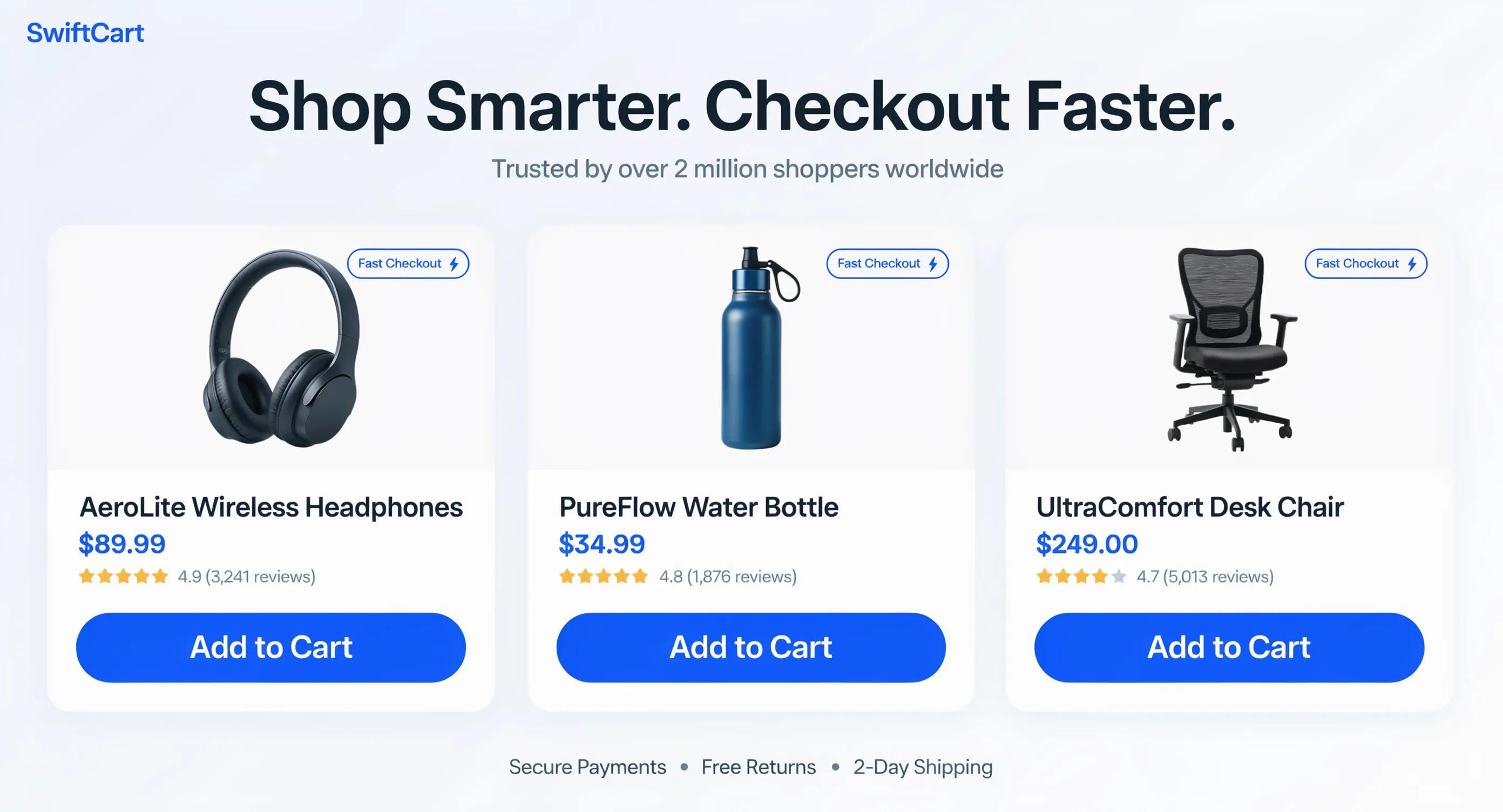
You have convinced the buyer, but a clunky checkout process can still cause last-minute cart abandonment. Long forms, unexpected shipping costs, or missing payment methods destroy sales velocity.
Optimize your sales funnel checkout experience:
- Minimize Input Fields: Ask only for necessary billing and delivery details.
- Multiple Payment Gateways: Support diverse payment preferences (including credit cards, Stripe, PayPal, and Paddle).
- Clear Guarantees: Reiterate money-back guarantees directly on the checkout screen.
Removing friction from your website checkout or online booking flow protects your overall conversion funnel performance.

Follow Up With People Who Don't Buy the First Time
Leaving sales recovery to chance starves your business of predictable revenue. Implementing automated follow-up sequences recovers abandoned carts and re-engages undecided leads automatically.
Deploy a multi-channel sales funnel follow-up strategy:
- Email 1 (1 Hour Post-Abandonment): Helpful reminder addressing potential technical issues during checkout.
- Email 2 (24 Hours Later): Direct answer to common buying objections, highlighting guarantees.
- Email 3 (48 Hours Later): Time-sensitive incentive or final social proof case study.
Combining an automated email sales funnel with targeted remarketing ads recaptures abandoned cart traffic and converts cold prospects into paying customers.

Track Where People Leave Your Funnel
Building a high-performing sales path requires data-driven optimization. Without proper funnel tracking, you cannot pinpoint where prospective buyers lose interest.
Analyze your sales funnel analytics regularly:
- Measure drop-off rates between your landing page, pricing section, and checkout form.
- Identify high-friction steps using session recordings and click heatmaps.
- Benchmark your overall funnel conversion rate against industry standards.
Continuous funnel optimization pinpoints weak links, enabling targeted updates that increase your overall website conversion rate. Run through a technical funnel tracking checklist to ensure analytics are firing correctly.
Build Your Website Sales Funnel Without Stitching Together Complicated Tools
Building a high-converting website sales funnel traditionally requires stitching together landing page builders, checkout plugins, payment gateway APIs, email marketing suites, and analytics scripts. Dealing with template traps, slow loading speeds, and complex integrations can stop your business from competing effectively online.
You do not need to become a web developer or spend weeks managing complex code integrations to build a high-ticket sales machine. Modern AI platforms handle page generation, conversion layouts, and payment gateway connections automatically behind the scenes.
Build High-Converting Website Sales Funnels Effortlessly with BoltWeb
BoltWeb simplifies the entire process of creating a website sales funnel. Functioning as your automated AI website builder, BoltWeb builds pre-optimized, ultra-fast sales funnel websites tailored to your exact business offer—zero coding required.
Why Founders Choose BoltWeb for High-Converting Funnels:
Instant Multi-Page Funnel Generation
Define your product, input business details, select your target audience, choose your required pages, and click Generate. BoltWeb automatically constructs structured sales landing pages, lead capture paths, and checkout pages instantly.
Native Multi-Gateway Payment Support
Sell digital products, subscriptions, or professional services effortlessly. BoltWeb supports seamless payment integrations including Stripe, PayPal, Paddle, and other leading payment processors out of the box.
Built-In Conversion Architecture
Say goodbye to rigid, slow-loading templates. BoltWeb builds clean, search-ready semantic pages designed to rank high, load instantly, and turn traffic into buyers.
Intuitive Visual Editor
Fine-tune copy, adjust pricing tables, add custom lead forms, or modify page lengths using simple drag-and-drop tools without breaking code or responsive layouts.
FAQs: How to Build a Website Sales Funnel
How do I build a website sales funnel that turns random traffic into actual buyers?
A website sales funnel isn't just a collection of pages—it's a guided customer journey. Map out every step: capture attention with a problem-focused hero section, build interest with clear benefit breakdowns, prove value with authentic trust signals, and present a friction-free checkout or booking step.
How do I choose the right primary conversion goal for my sales funnel?
Align your primary funnel conversion goal with your offer's price and complexity:
- E-Commerce & Digital Downloads: Direct online checkout.
- High-Ticket B2B & Agencies: Scheduled discovery calls or consultation bookings.
- Custom Services: Detailed quote requests.
Focusing on one clear primary action per page prevents visitor decision fatigue. If you are selling high-ticket services, route users to a consultation calendar.
How do I make sure the traffic entering my sales funnel is actually ready to buy?
Attract high-intent traffic by aligning search engine keywords, ad copy, and social content with commercial search intent. Target visitors who are actively searching for solutions to specific problems rather than general informational topics.
What should I include on my sales page hero section to keep visitors scrolling?
Structure your hero section to answer three critical questions instantly:
- What exact problem do you solve?
- How does your solution work?
- What step should the visitor take right now?
Pair a bold outcome-driven headline with a visual product anchor and a clear, high-contrast call-to-action button. Review above-the-fold layout strategies to perfect this.
How do I present my offer's value before asking for a purchase?
Shift your messaging from technical specs to real customer outcomes. Use scannable feature-to-benefit matrices that show visitors exactly how each deliverable saves them time, removes friction, or makes them money.
How do I build immediate trust to overcome last-minute purchase hesitation?
Weave strategic social proof throughout your funnel layout. Place real customer reviews, star ratings, video testimonials, and before-and-after case studies directly adjacent to pricing tables and buy buttons to establish instant website credibility.
How do I match call-to-action (CTA) buttons to different buyer stages?
Match CTA intensity to visitor intent:
- Top of Funnel (Exploring): "See How It Works" or "View Pricing Plans"
- Middle of Funnel (Evaluating): "Download the Comparison Guide"
- Bottom of Funnel (Buying): "Get Instant Access" or "Book Your Slot"
How do I capture leads from visitors who aren't ready to purchase today?
Implement a secondary lead capture mechanism. Offer a valuable free resource (like a downloadable template, checklist, or mini-course) in exchange for an email address. Nurture these leads automatically via follow-up email sequences. Learn how to embed a short lead form to capture these details.
How do I reduce checkout or booking form abandonment?
Remove friction from the final step. Ask only for essential fields, enable modern one-click payment gateways (such as Apple Pay, Google Pay, Stripe, or PayPal), and display clear money-back guarantees right on the checkout screen.
What is the best way to follow up with people who leave my sales funnel early?
Deploy automated recovery sequences:
- 1 Hour Post-Abandonment: Helpful check-in email addressing potential technical issues.
- 24 Hours Later: FAQ email resolving common buying objections.
- 48 Hours Later: Final reminder highlighting guarantees or limited-time incentives.
How do I track drop-offs to improve my sales funnel conversion rate?
Set up conversion goal funnels in Google Analytics to measure progress across landing, sales, checkout, and thank-you pages. Use heatmaps and user session recordings to spot high-friction layout bottlenecks and run continuous A/B tests to maximize website conversion.
What is the easiest way to launch a website sales funnel without coding or stitching together plugins?
Rather than struggling with complex custom code integrations or rigid templates, leverage automated platform builders designed for end-to-end conversion architecture. Platforms like BoltWeb allow non-technical founders to describe their product and generate complete, search-ready sales funnel websites—complete with multi-page conversion paths, structured landing pages, and native payment setups—in minutes.