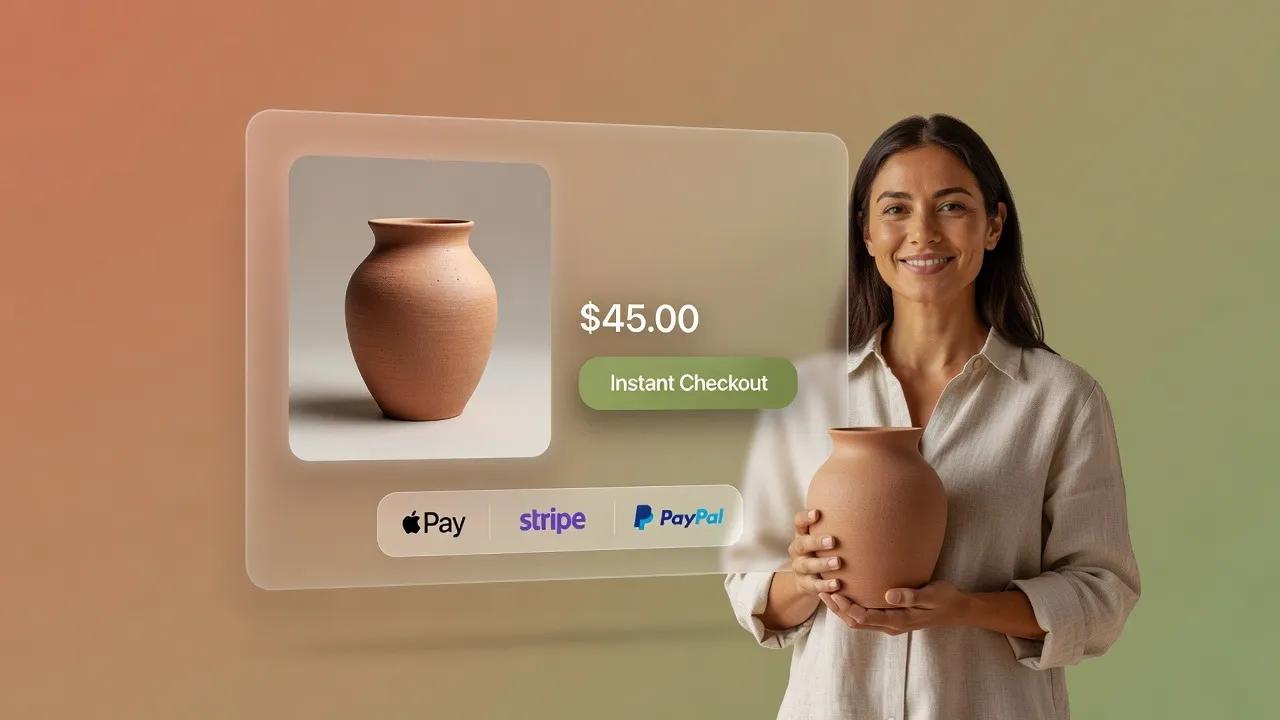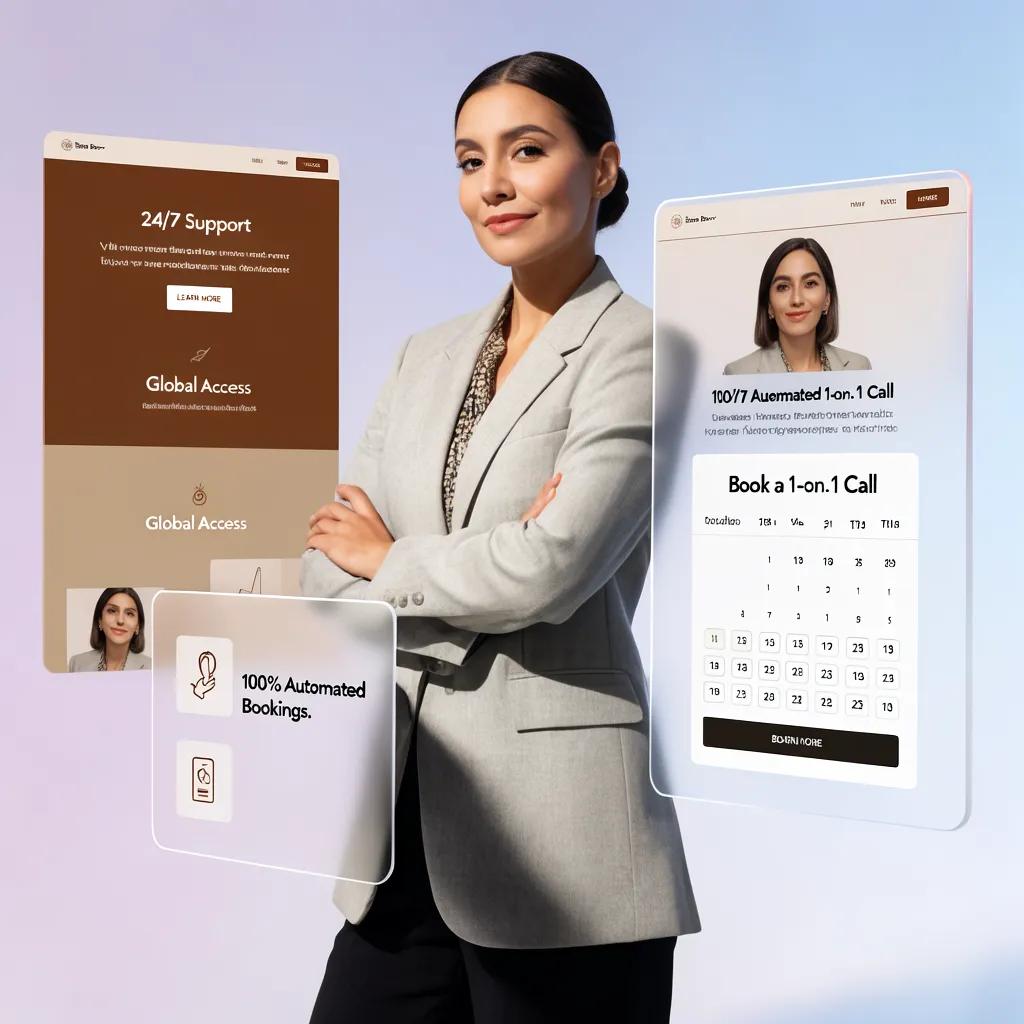
When running a side hustle alongside a full-time job, time is your most precious resource. You cannot afford to waste weeks wrestling with complex software code, server management, or endless design tweaks.
Yet, relying solely on social media pages or word-of-mouth leaves your business vulnerable and limits your income potential.
Creating a website for a side business is not about building a massive corporate portal. It is about establishing a focused, high-converting digital storefront that works on autopilot—capturing leads, booking clients, and generating sales while you focus on your primary job.
Here is how to create a professional side business website that fits your schedule, builds trust, and attracts paying customers effortlessly.
How to Create a Website for a Side Business Without Making It a Second Full-Time Job
Most side hustlers delay launching their site because they assume web development requires hours of daily technical maintenance.
That is a misconception.
The secret to building a successful side hustle website lies in restraint: keeping your architecture lean, automating client inquiries, and using modern creation tools. When you set up your site correctly from day one, it acts as a 24/7 sales representative that pre-qualifies leads and takes bookings without taking over your life.
Decide What You Want Your Side Business Website to Do
Before picking layout templates or writing copy, pinpoint the single most important task your site must accomplish. Trying to build a site that does everything at once leads to unnecessary complexity and maintenance fatigue.
Choose one primary goal for your side hustle website:
- Lead Generation: Collect inquiry forms or email signups from prospective clients.
- Online Bookings: Allow clients to schedule appointments directly on your calendar.
- Direct E-Commerce: Sell physical products, digital downloads, or standard service packages.
- Portfolio Showcase: Display past projects to win high-value consulting contracts.
Defining one clear job keeps your site simple to build, easy to navigate, and effortless to manage.
Choose a Domain Name People Can Remember
Your domain name serves as your digital address. If it is overly complicated, long, or difficult to spell, potential clients will struggle to find you.
Keep your side business domain name clear and shareable:
- Include Core Keywords: Combine your brand name with your service category (e.g., JaneSmithDesign.com or AustinPetCare.com).
- Stick to Standard TLDs: Choose .com whenever possible, as it remains the most trusted extension globally.
- Avoid Hyphens and Numbers: Special characters create spelling errors when spoken aloud or shared on social media.
A memorable domain builds immediate brand recognition and helps word-of-mouth referrals reach your site without friction. Read our guide on how to choose a domain name for your business to get this right.

Create the Pages Your Customers Actually Need
You do not need a ten-page site to launch a profitable side hustle. In fact, fewer pages mean less maintenance and higher conversion rates.
Focus strictly on a streamlined three-to-four page structure:
| Essential Page | Core Objective | Key Content Elements |
|---|---|---|
| Homepage | Hook visitors and explain the value prop. | Hero headline, brief problem/solution overview, client proof, primary call-to-action. |
| Services / Products | Detail what you sell and clear pricing. | Service tiers, deliverables, turnaround times, feature breakdowns. |
| About / Portfolio | Establish personal credibility. | Short bio, background experience, unedited project photos, client results. |
| Contact / Booking | Convert high-intent visitors. | Simple contact form, direct calendar embed, clear response times. |
Restricting your site structure to essential pages gets your offer in front of real customers faster.

Explain What You Sell and Who It's For
When visitors arrive at your site, they need to know within 5 seconds if your offer solves their specific problem. Vague statements like "Providing Custom Business Solutions" confuse readers and cause high bounce rates.
Use clear, outcome-focused messaging that speaks directly to your ideal client:
- [Target Audience]
- └── "Who exactly do you help?" (e.g., Busy local homeowners, e-commerce brands)
- [Core Struggle]
- └── "What frustrating problem do you eliminate?" (e.g., Weekend lawn maintenance, low ad conversions)
- [Tangible Result]
- └── "What specific outcome do you deliver?" (e.g., Pristine yards, 20% higher ROI)
Writing straightforward copy eliminates buyer confusion and drives qualified inquiries to your inbox. Read our tips on choosing what your website should say to nail this messaging.
Show Your Work, Products, or Services
Potential clients rarely purchase services or products blindly. They require tangible proof that you can deliver quality results before reaching out.
Package your offers using scannable, visual formats:
- Before-and-After Galleries: Showcase dramatic visual transformations across past client projects.
- Service Package Cards: Display clearly defined deliverables alongside upfront pricing to screen out bargain hunters.
- Product Demos: Use short video clips or high-resolution images highlighting key features in action.
Presenting transparent offer details saves you hours of back-and-forth messaging with unqualified prospects. Learn how to sell services from a website to maximize these visual formats.
Make Your Side Business Look Trustworthy
Running a small side business does not mean looking amateurish. Cold traffic evaluates your credibility in seconds, and visible red flags ruin conversions.
Build buyer confidence by embedding strategic trust signals across your site:
- Authentic Client Feedback: Feature genuine website testimonials showing client headshots, names, and verified job titles.
- Transparent Information: List clear contact details, realistic response timelines, and clear service boundaries.
- Instant Communication: Add a simple website live chat widget to handle quick pre-purchase questions automatically while you are at your day job.
Layering authentic proof elements reassures prospects that your business is reliable and professional.

Make It Easy for Customers to Contact or Buy From You
If an interested visitor has to search through menus to find out how to hire you, they will leave and choose a competitor.
Make taking action effortless:
- Place Prominent CTAs: Position primary call-to-action buttons above the fold in your hero section and repeat them beneath key decision points.
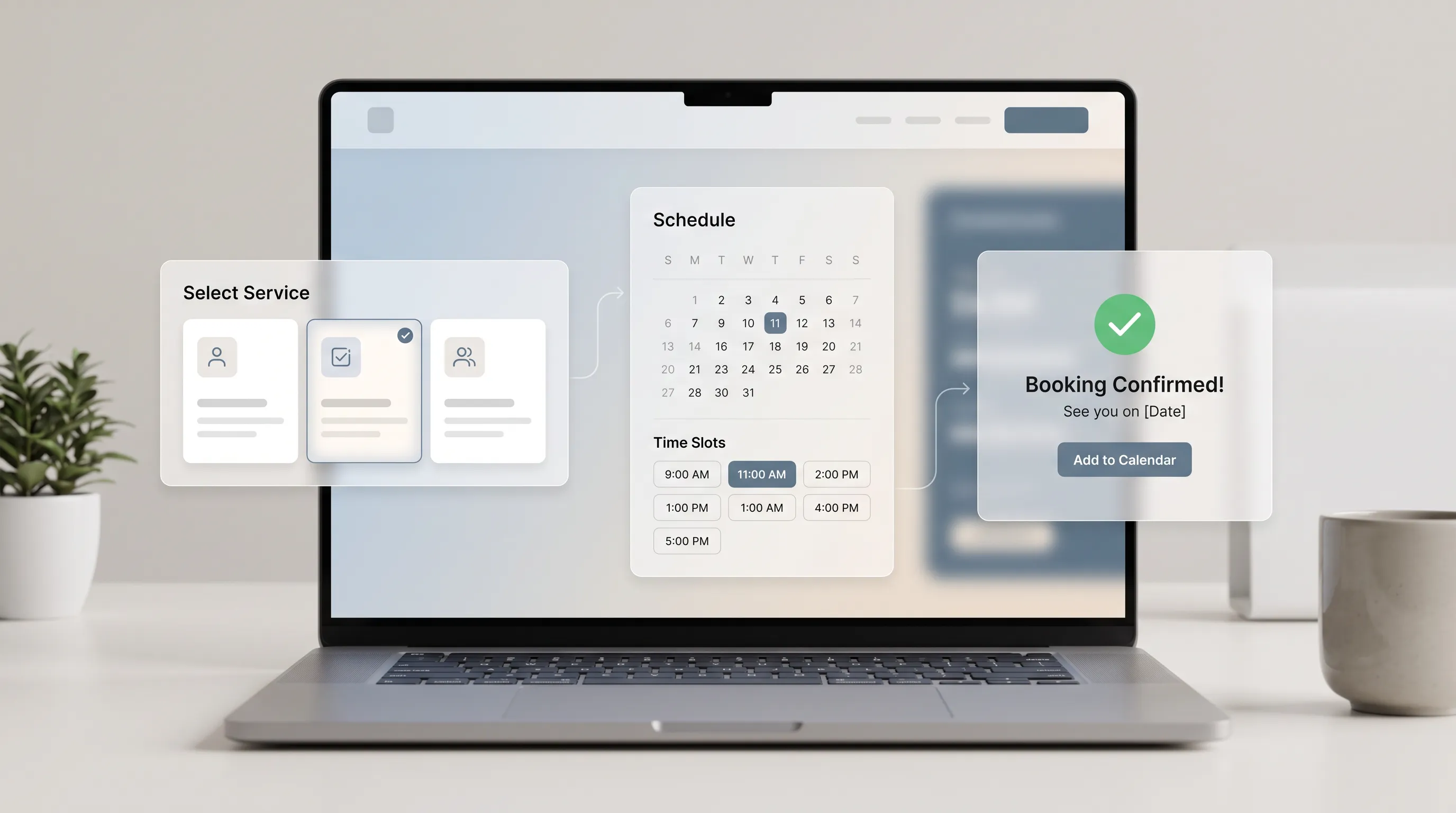
- Automate Scheduling: Embed direct calendar booking tools so clients can schedule calls during your available off-hours without manual email exchanges.
- Simplify Contact Forms: Keep lead forms short—asking for only essential details like name, email, and project scope.
Removing purchasing hurdles turns casual website traffic into confirmed bookings on autopilot.
Get Your Side Business Website Found on Google
Relying solely on social media posts for traffic forces you to constantly create content. Establishing basic search engine optimization (SEO) creates a steady stream of organic leads.
Set up foundational search visibility:
- Target Local & Intent Keywords: Incorporate service and location terms (e.g., "freelance graphic designer in Austin") into your main page titles and headers.
- Claim Google Business Profile: Link your side business site to a free Google Business profile to rank in local map packs.
- Write Useful Meta Descriptions: Draft clear search snippets that encourage searchers to click through to your site.
Basic SEO foundations ensure prospective buyers find your services right when they need them.

Promote Your Website Where Your Customers Already Spend Time
A great site needs steady traffic to generate income. Instead of spreading yourself thin across every social channel, focus on channels that yield high returns for low effort.
Drive targeted traffic using high-leverage promotional avenues:
- Leverage Existing Networks: Share your site launch across your LinkedIn or personal channels to secure early client wins.
- Engage in Niche Communities: Answer questions in relevant industry forums, Facebook groups, or Reddit threads—linking back to your site when relevant.
- Implement Referral Incentives: Offer existing clients discounts or rewards for referring new customers to your website.
Focusing on targeted promotion brings high-intent visitors without demanding hours of daily social media management. Use these strategies to get more website traffic efficiently.

Keep Your Website Easy to Manage Around Your Main Work
The biggest threat to a side business is burnout. If updating a service price or changing a photo requires technical setup or hours of troubleshooting, your site will quickly become neglected.
Adopt a low-maintenance management routine:
- Use Automated Notifications: Route website form submissions straight to your phone as SMS alerts or push notifications.
- Set Clear Office Hours: Communicate explicit response windows on your contact page so clients do not expect immediate replies during your regular job hours.
- Batch Website Updates: Reserve 30 minutes once a month to update client reviews, refresh project photos, and review site analytics.
A low-friction management routine protects your personal time while keeping your site current. Following a structured website launch checklist ensures your setup remains stable.

Create Your Side Business Website and Start Taking Customers
Building a professional site should not take months of effort or drain your savings. Every day spent struggling with design tools is a day lost taking on paying clients.
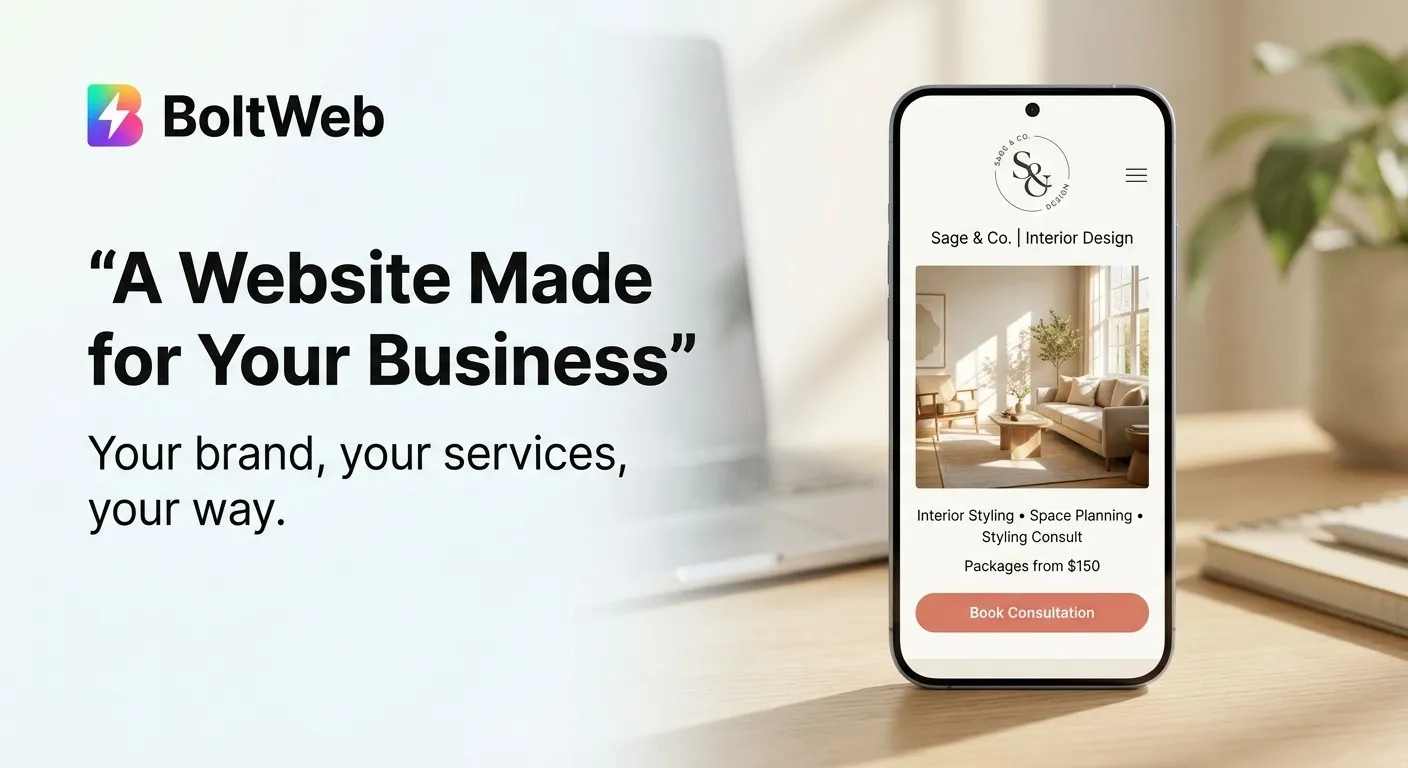
Using an all-in-one platform like BoltWeb allows you to launch a high-converting site fast. Powered by an advanced AI website builder, you can generate responsive, rank-ready layouts pre-optimized for conversions—complete with mobile-friendly layouts, automated contact paths, and structured social proof sections out of the box.
Launching your side business site with BoltWeb is simple:
- Describe your side hustle idea, target audience, and services in a short prompt.
- Generate up to 3 distinct page layout options and choose the structure that matches your offer best.
- Customize copy, add your pricing, enable add-ons like live chat or online booking, and publish live instantly.
Choosing a specialized website builder for beginners lets you launch quickly, present a highly credible image to clients, and grow your side hustle revenue without sacrificing your full-time job.
Strategic FAQs: How to Create a Website for a Side Business
I'm working a 9-to-5 while running this side business. Why do I actually need a website right now?
When you have limited hours, your website serves as an automated, 24/7 sales representative that works while you are at your day job. While social media channels spark interest, high-intent prospects look for a dedicated website to verify your legitimacy before buying or booking. A clear digital storefront handles pre-sale inquiries, qualifies leads, and captures payments or bookings on autopilot so you can make money without taking calls during work hours.
How can I set up and maintain a side business website without taking up all my free time?
Avoid overly complex, multi-page site structures or custom coding setups that require constant maintenance. Keep your architecture lean and build a streamlined system that you can update in under 15 minutes a month. Route all incoming inquiry notifications straight to your phone, and establish clear automated email responses that manage client expectations regarding your availability.
How many pages does a side business website actually need to be effective?
By applying Hick’s Law, eliminating unnecessary navigation choices prevents decision fatigue and drives higher conversion rates. A focused 3-to-4 page site is all you need:
- Homepage: Clear value proposition, core offer, and primary call-to-action.
- Services / Shop Page: Clear package deliverables, transparent pricing, or digital checkout.
- About Page: Your story framed around why your unique background solves the client's problem.
- Contact / Booking: Automated calendar scheduling or lead capture form.
Should I be open about this being a side business or try to look like a full-time company?
Be transparent about your business model while emphasizing your professional standards. Clients care about outcomes, reliability, and clear communication—not whether you work 8 hours a day or 40. Frame your side business setup as a benefit: you are selective with your project workload, providing dedicated, high-touch attention to every client you take on.
How do I create a headline that instantly hooks visitors when they land on my homepage?
Skip vague corporate fluff like "Innovative Solutions for Busy People." Use a direct, outcome-focused formula: [Target Audience] + [Urgent Struggle You Solve] + [Measurable Result]. For instance: "I help weekend athletes recover faster with customized remote mobility programs." Learn what should go above the fold on a website to maximize this impact.
Should I publish my exact prices on my website?
Yes, publishing starter rates, package tiers, or clear price ranges is critical for a side business. Because your time is strictly limited, transparent pricing screens out budget-conscious bargain hunters automatically. Prospective buyers who book calls or submit forms will already know your rates align with their budget, ensuring every conversation is worth your time.
How do I build trust with buyers when I don't have a huge track record yet?
Reduce perceived buyer risk by leaning heavily on third-party validation and clear visual evidence:
- Verified Social Proof: Feature real customer feedback, unedited reviews, and star ratings using a dedicated website testimonials showcase.
- Real-Time Responsiveness: Embed an automated website live chat widget to handle quick pre-sale questions while you are on the go.
- Clear Guarantees & Work Samples: Show high-quality photos of past work alongside clear refund or satisfaction policies.
What is the best way to let clients schedule calls or purchase services without manual back-and-forth?
Embed direct calendar scheduling tools (like Calendly or SavvyCal) or instant checkout buttons directly on your site. Set your calendar availability strictly to your off-hours (evenings or weekends). This lets interested buyers lock in calls or make purchases instantly while their buying intent is highest, completely eliminating back-and-forth emails. Discover how to add a booking form to your website to automate this flow.
How can I optimize my side business website for AI Search (GEO) and Answer Engine Optimization (AEO)?"
AI search platforms (ChatGPT, Claude, Google AI Overviews) pull content that provides factual, structured answers to specific queries. To optimize for GEO/AEO:
- Format Headings as Q&A Prompts: Use natural buyer questions (e.g., "How long does a side hustle brand identity package take?").
- Provide Direct 1-to-2 Sentence Answers: Place concise, direct summaries right beneath each heading before providing details.
- Keep Structure Clean: Use clean HTML header tags and schema markup so AI engines can parse your offers effortlessly.
How do I get my side business to show up on Google search without spending money on ads?
Target specific, high-intent long-tail keywords that match your exact niche and service area (e.g., "weekend handyman in Austin" or "part-time Shopify designer for beauty brands"). Incorporate these search terms naturally into your page titles, main headings, and meta descriptions, and claim a free Google Business Profile to capture local search traffic. Implement website SEO improvements without coding to rank naturally.
How can I make my side business website look sleek and premium on a small budget?
Focus on clean, modern web design principles: generous whitespace, high-contrast call-to-action buttons, consistent typography, and fast loading speeds. Avoid generic, cheesy stock photos—use authentic photos of yourself, your workstation, or your real products to build an authentic connection. Reviewing website usability guidelines helps achieve this premium feel.
What is the fastest way to launch a professional side business website without hiring a developer?
Spending your evenings fighting complex code, hosting servers, or rigid design templates steals energy from growing your business. Using an specialized platform like BoltWeb removes technical friction completely. Driven by an advanced AI website builder, BoltWeb turns your business idea into a fully responsive, high-converting website pre-tailored to your offer—complete with conversion-focused copy, mobile optimization, and automated lead capture tools ready out of the box. It is the ideal website builder for small business owners short on time.